
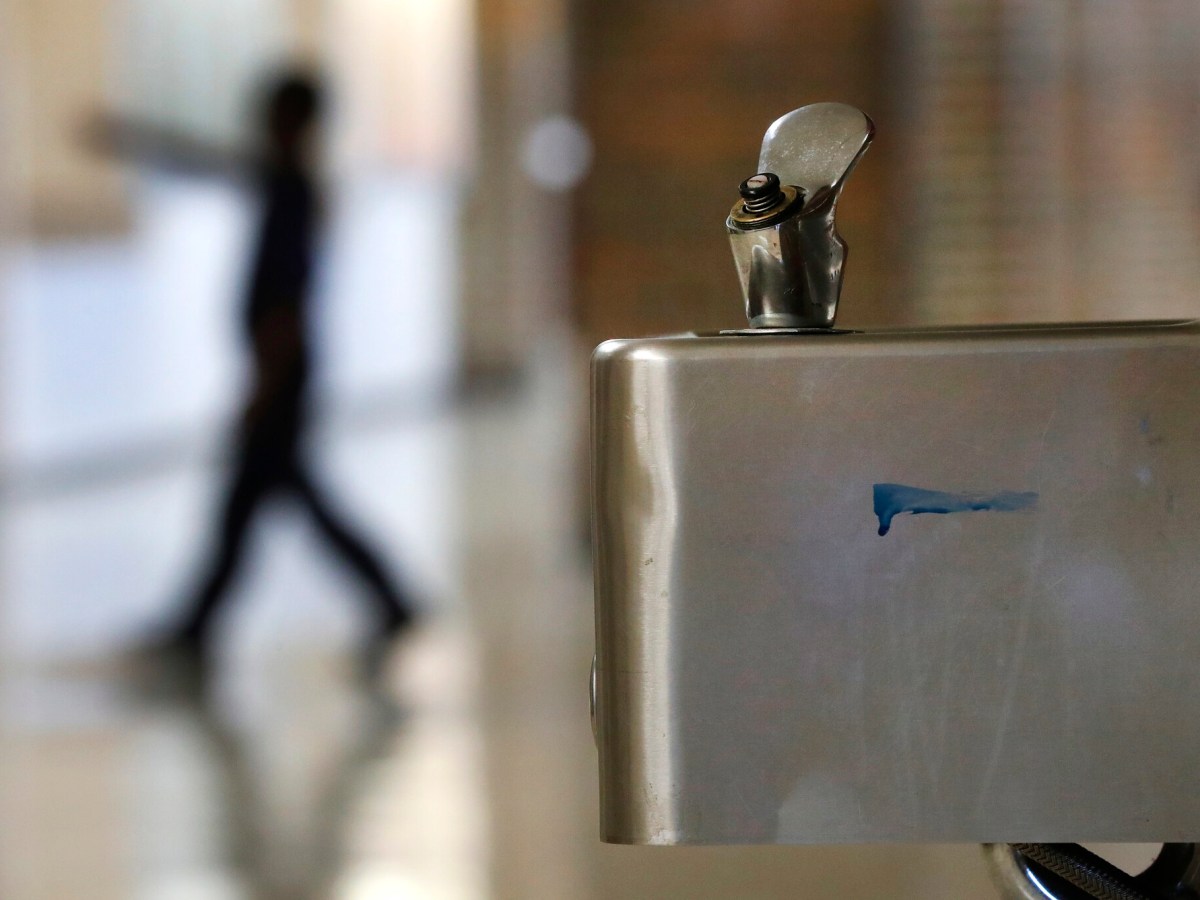
The sooner Maine’s standards reflect this, the better, recent findings at more than half a dozen schools show.
PFAS
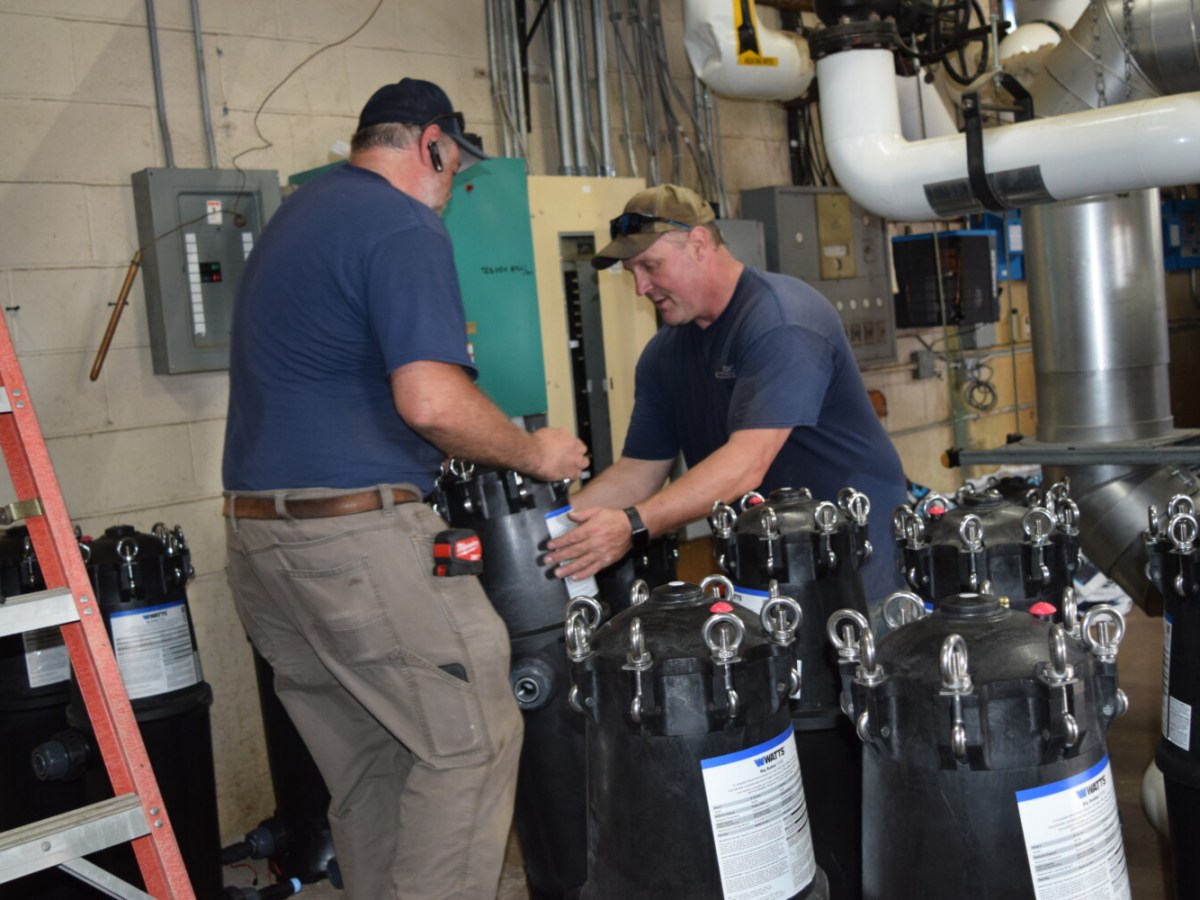
Posted inMaine, Schools and Education
Maine schools act to mitigate ‘forever chemicals’ found in drinking water

Mount Desert Island High and Chebeague Island School are among the schools that have installed filters after testing showed PFAS levels exceeded the state’s allowable limit of 20 parts per trillion.
advertisement
Posted inUncategorized
Wilton considering rise in sewer, water rates due to ‘forever chemicals’ costs

The rate increases would be due, in part, to legislation requiring municipalities to dispose of wastewater sludge differently.

Posted inBusiness, Health, Maine
Maine Chamber, trade groups ask for delay in forever chemicals reporting law

They say they don’t have enough time or information to comply with the requirement, which takes effect in January.
Posted inLocal Government, Uncategorized
Farmington raises rate for septage

Selectmen approved increasing the septage receiving rate from $85 to $175 per 1,000 gallons of septage.
Posted inMaine, News
Farmington increases rate for septic waste brought to treatment plant
Local haulers will be charged $175 per 1,000 gallons, up from $85.

Posted inMaine
Latest impact of PFAS contamination: Rising sewer rates

The looming cost to homeowners in public sewer districts is the latest impact of an expanding crisis that has contaminated agricultural fields and drinking wells, closed farms and left some fish and game unsafe to eat.

Posted inCommunity, Local Government, Maine, Morning Sentinel
Fairfield councilors direct town manager to continue work on water expansion project, despite vote against it

The move, which seeks to address PFAS contamination of local wells, comes after residents voted 402-282 last week against the project in a nonbinding referendum.

Posted inUncategorized
Auburn farmer says he has lost business despite meeting PFAS testing

Roger Gauthier says his land, previously owned by the Lewiston-Auburn Water Pollution Control Authority, has always met state screening standards for “forever chemicals.” Those standards will likely be lowered.
Posted inMaine
New federal PFAS advisory adds challenges to Maine’s costly PFAS cleanup
Water filtration systems that the state has been installing in Mainers’ homes appear to be removing detectable levels of harmful forever chemicals, but no one knows if they achieve the much lower levels deemed safe by the EPA.