

An ultra-exclusive private ski and golf community in Montana, the post office, a steakhouse outside Philadelphia — these are a few of the gigs that Maine’s seasonal restaurant workforce takes each year when the days grow short, the temperature falls and the state’s luxury resorts, iconic lobster shacks and lakeside lodges close for the winter.
An estimated 13,500 people were employed at such seasonal restaurants last summer, according to Maine’s Quarterly Census of Employment and Wages. Some are high school and college students with a summer job, but many are professional cooks, servers and bartenders, whose workdays and even home turfs may look dramatically different, depending on the season.
Hospitality workers say that while seasonal work brings its own set of challenges, it also brings plenty of rewards, such as renewed confidence and excitement; opportunities for travel, career exploration and culinary education; the chance to see firsthand how other kitchens and businesses operate; time — and place — to snowboard and ski in the off-hours; and, as Primo Events Director Jessica York put it, “a sense of reset” after a demanding season of long days and full houses at the celebrated Rockland restaurant.
This winter, Jason Williams, chef and founder of the maximally farm-to-table The Well at Jordan Farms in Cape Elizabeth, took a job as assistant chef at the swank Yellowstone Club. In an email from Montana he wrote, “I’ve had life-changing experiences from not being tied to a year-round restaurant.”
CHANGING WITH THE SEASONS
Juggling multiple jobs is nothing new for self-reliant Mainers. The state has a long history of seasonal work, such as farming, logging, ice-harvesting and keeping house for wealthy rusticators. Today’s seasonal restaurant workforce, though, may be a little less hardscrabble and a little more intentional.
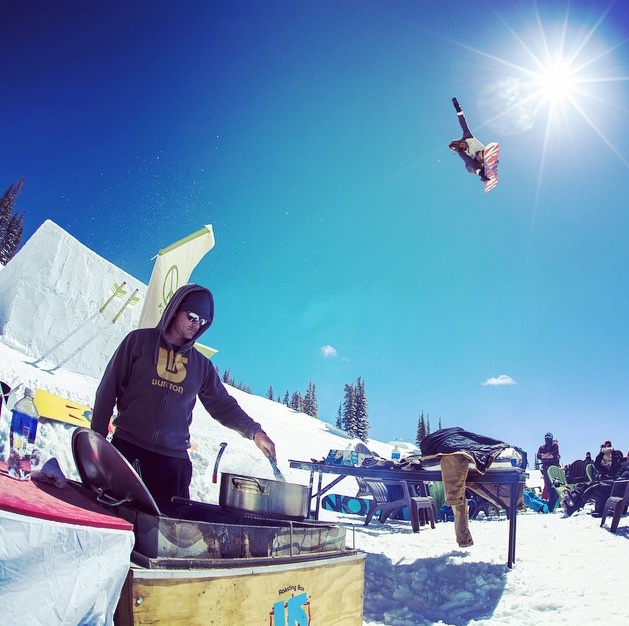
Williams, an avid snowboarder, organized his life around seasonal work almost from the start. For 14 of the 15 years he’s owned The Well, which operates June through September, he spent winters cooking for the world-class athletes sponsored by Burton Snowboards. He has helicoptered onto glaciers in British Columbia, fed guests at posh events in lavish Aspen mansions, cooked at the Super Bowl, the X Games, the U.S. Open, and Peace Park snowboarding competitions.
“Snowboarding has always been a huge passion of mine. That’s my favorite thing in the world to do,” Williams said, “so I’ve kind of built my life around that. Everybody always has to eat, so it is an easy way to find jobs and go to the places that I wanted to be in the winter.”
Eric Copestakes, who is headed into his second summer as head chef at the Kawanhee Inn in Weld, fell into seasonal work. Or maybe he was fated. As a young cook in Pennsylvania, he heard about Kawanhee from a co-worker. “It sounded amazing and it became a dream of mine to work up there,” Copestakes said.
Years passed. He started dating the woman who would become his fiancé. By strange coincidence, her family had been vacationing in Maine and eating at the inn every summer for 50 years. When she saw that the Kawanhee was advertising for a chef, she told Copestakes, who landed the job. Like Williams, he called the experience, “life-changing.”
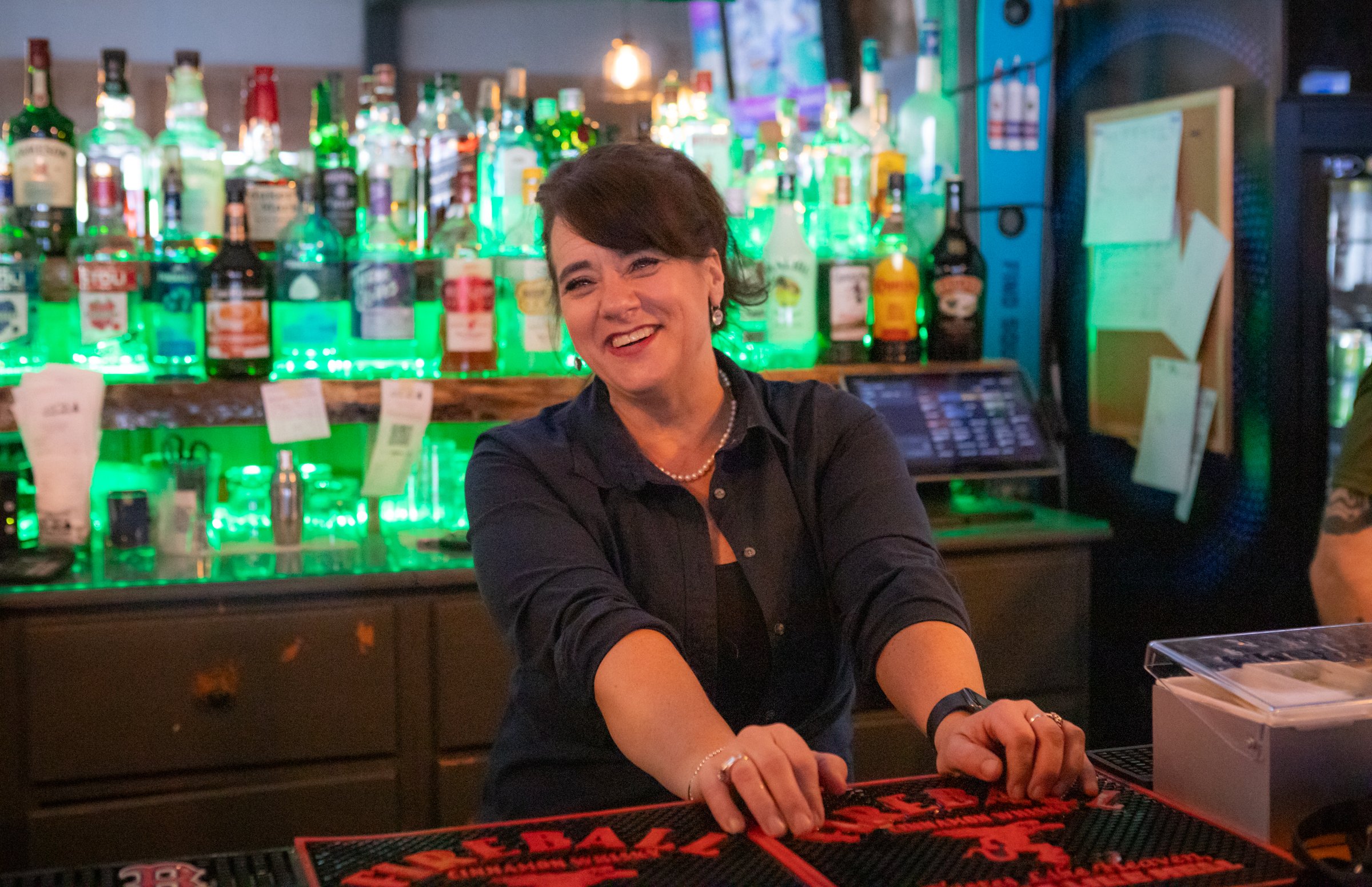
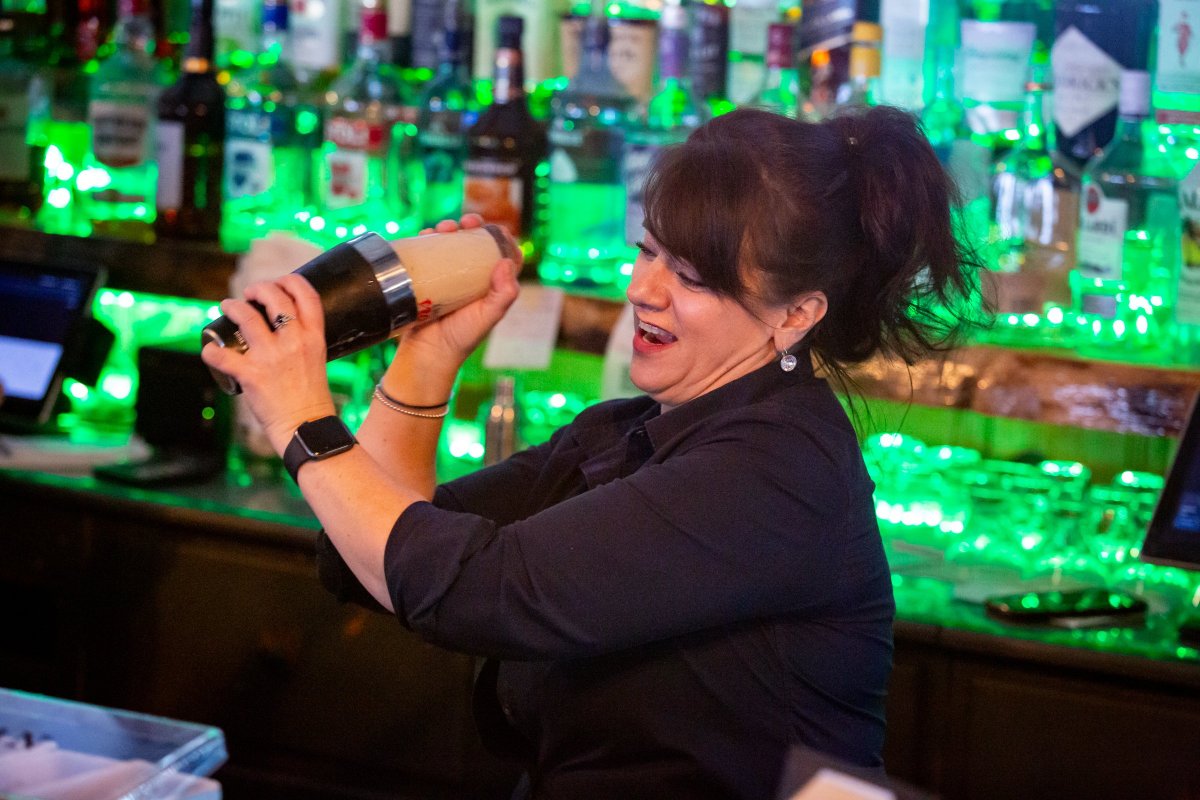
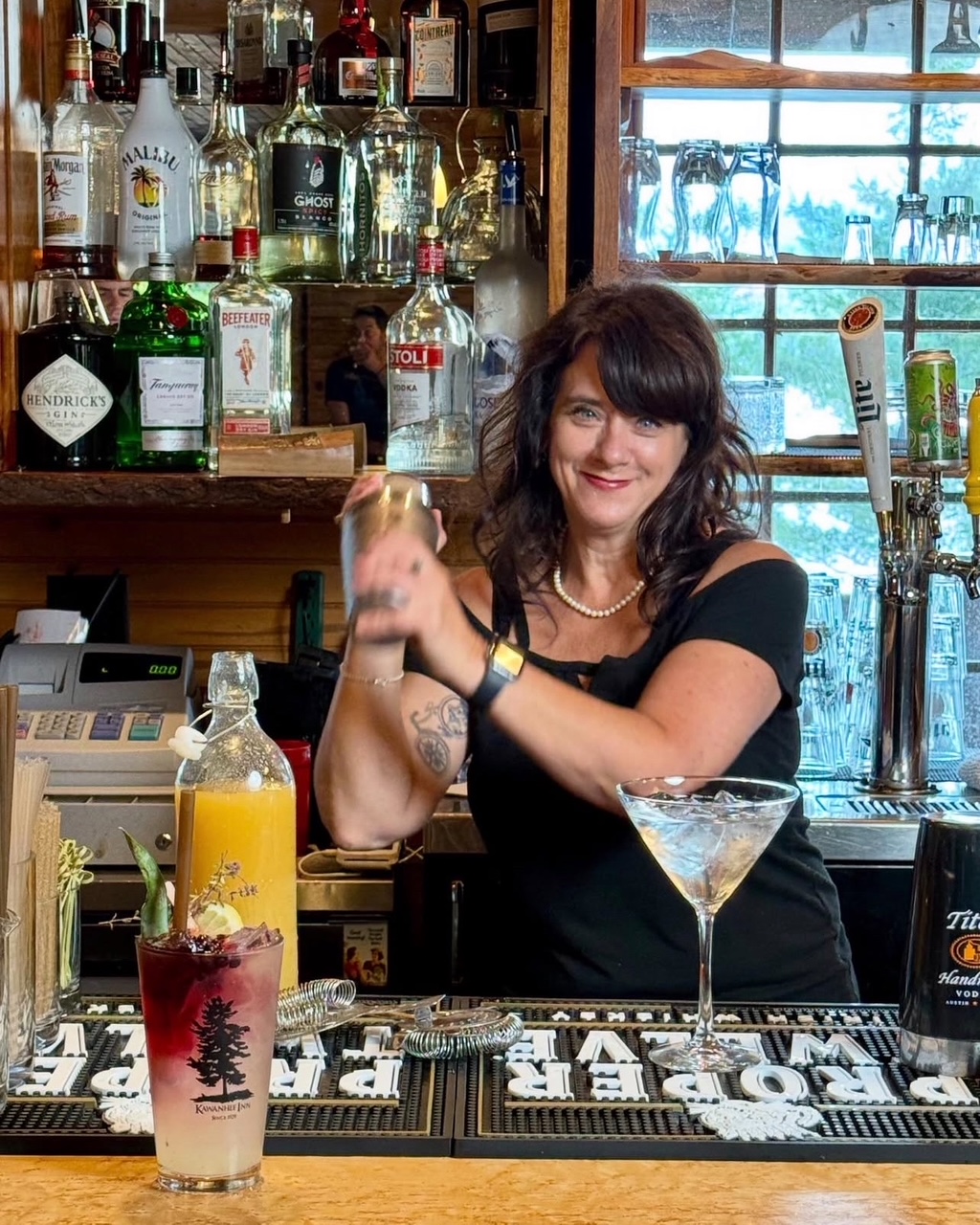
For his colleague Karla Kopasz, bartender at Kawanhee, a season there let her test-drive the idea of returning to Maine. She was living in Buffalo, New York, and her children wanted her closer. Though she was unenthusiastic about the cold winters, the minute she set foot in Kawanhee, she was sold. This winter, she is bartending at the Western View Golf Club and Pub in Augusta, staying close to her grandchildren and cheering them on at dance recitals and sports events. Next year, though, after Kawanhee wraps up for the season, gentle, mild North Carolina is calling to her. She’s hoping there’s seasonal work for her in the Tar Heel State.
GETTING A BREAK
For much of the year, Steve Sicinski is executive chef at Nonantum Resort in Kennebunkport, where the kitchens churn out up to 1,250 meals on a warm summer evening. The days are long. The season, which runs from May to mid-December, is intense and all-consuming. “In the chef world, there is no shutting it off,” he said.
Technically, Sicinski is employed year-round at Nonantum, and he’s in the fortunate position of being paid year-round too. But in the quiet season, the work tapers off, and he can do much of what he needs to from his computer at home in Gray. So, as a self-described “busy person by nature,” he spends the winter working ski patrol at Sunday River.
Sicinski loves being outside. He loves skiing, and he loves learning new things. Ski patrol hones his critical thinking in the face of adversity and unpredictability, skills that come in handy in the restaurant. “I get a ton of ideas all the time,” he said. He also relishes the “normal” life he leads with his wife and teenage son. Winters, Sicinski is at home evenings and weekends. His hours are predictable. When the day at Sunday River is done, it’s really done.
York gets it. This winter, she’s in northern California, bartending at a friend’s burger restaurant. “I don’t feel the need to work six days a week. Last week, I worked three. There’s a certain feeling of…” she paused. “It’s not that you care any less, but you’re getting a break.”
York has used past winter breaks to try on other jobs for size. Other restaurants, yes, but also the post office and the emergency room at the local hospital. “When you have time off, especially as you grow up or get a little older, you start to reflect on, is there something else that I would like to do?” she said. “Maybe I’d like to explore a different career opportunity.”
The post office seemed promising until she realized she’d need to deliver mail in rural Maine whatever the weather. Though she’d once studied to be a nurse, the emergency room was sobering. “You are seeing people on their worst day,” York said, and her interactions were so constrained by rules and regulations, she felt helpless to help them.
For Kopasz, a perk of seasonal work is the view from her summer “office.” Making drinks at the bar at Kawanhee, she looks out at stunning Webb Lake bounded by the state’s Western mountains. Her summer morning routine is equally enviable. “I wake up, I sit outside and have a cup of coffee. I take my dog for a walk. I’ll go for a paddle. I’ll take a book down to the beach.”
Swap lake for ski slope, and you get to see Williams’ seasonal advantages. “I’m out there in the mornings, usually for a couple hours,” he said. “I’ll go take three or four runs at Big Sky. That scratches the itch, and then work.”
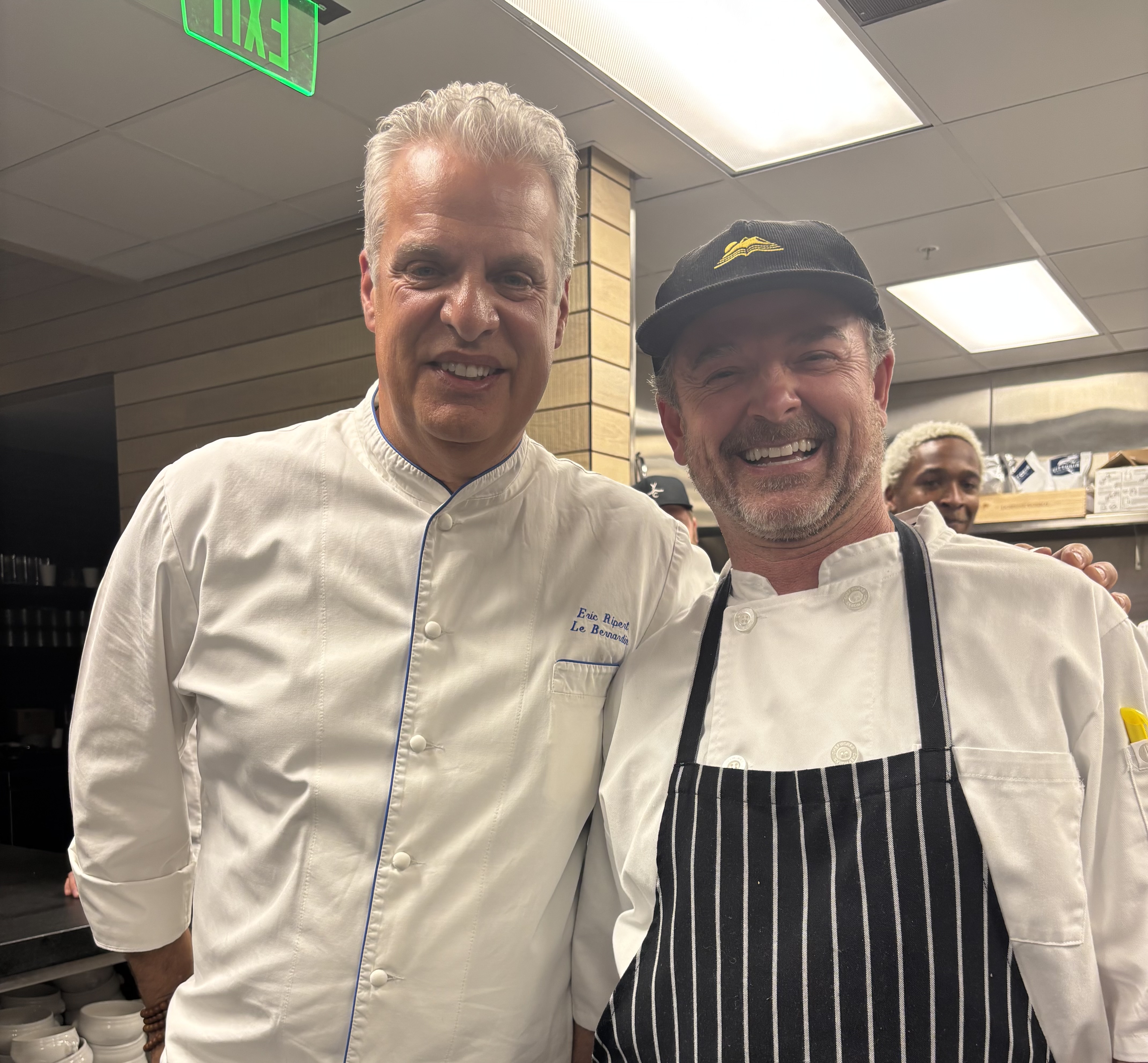
Beyond the glorious outdoor gym, the Yellowstone Club gives Williams exposure to trends, new equipment and new techniques. He has cooked alongside legendary visiting chefs, like Eric Ripert of Le Bernardin, Daniel Boulud of Daniel, and Kyle Connaughton of Single Thread. Between them, the three have 10 Michelin stars. At The Well, in the tiny kitchen set on a flatbed trailer parked on a farm, Williams is in his own little culinary world. “I don’t get that same exposure in my trailer back home,” he said.
THE DOWNSIDES
The list of drawbacks to seasonal work seems to be shorter. There are logistical challenges such as figuring out healthcare and health insurance, finding that next job, and paying rent on an apartment even when you’re not living there or finding temporary housing if the seasonal job doesn’t provide it.
For hospitality workers with kids, seasonal work that takes them away from home may not be an option. On the other hand, when his daughter was young, Williams found that while intermittent travel with Burton Snowboards often meant 10-day stretches away, it also allowed for long intervals at home in between assignments. Back in Maine, and not on the clock, he got solid, uninterrupted time with his daughter.
Mostly, seasonal jobs can be hard on relationships.
“It’s definitely a strain, but it worked out well for us last season and now that we know what it is we can plan a little better for it,” Copestakes said about his first summer away from his fiancée. She stayed in Pennsylvania and took over his chores, like walking the dog and doing the laundry. But she came up to Weld to visit, and they spoke on the phone every night. That turned out to have a silver lining, in fact. “I feel like (it) gave us a chance to connect better verbally,” Copestakes said.
“The real strain was one of my guinea pigs passed away,” he continued. “I knew she wasn’t in the greatest of health, but she was still young, and I was hoping to see her again. Instead it’s 1 a.m. I’m on Facetime with (my fiancé) and an emergency vet, and I’m 550 miles away. “
Still, for Copestakes and other seasonal hospitality workers in Maine, it’s worth it. Copestakes said when he returned to his bread-and-butter job at Brandywine Prime restaurant in Chadds Ford after a summer at Kawanhee, “I came back ready to conquer the world.”

We invite you to add your comments. We encourage a thoughtful exchange of ideas and information on this website. By joining the conversation, you are agreeing to our commenting policy and terms of use. More information is found on our FAQs. You can update your screen name on the member's center.
Comments are managed by our staff during regular business hours Monday through Friday as well as limited hours on Saturday and Sunday. Comments held for moderation outside of those hours may take longer to approve.
Join the Conversation
Please sign into your CentralMaine.com account to participate in conversations below. If you do not have an account, you can register or subscribe. Questions? Please see our FAQs.