

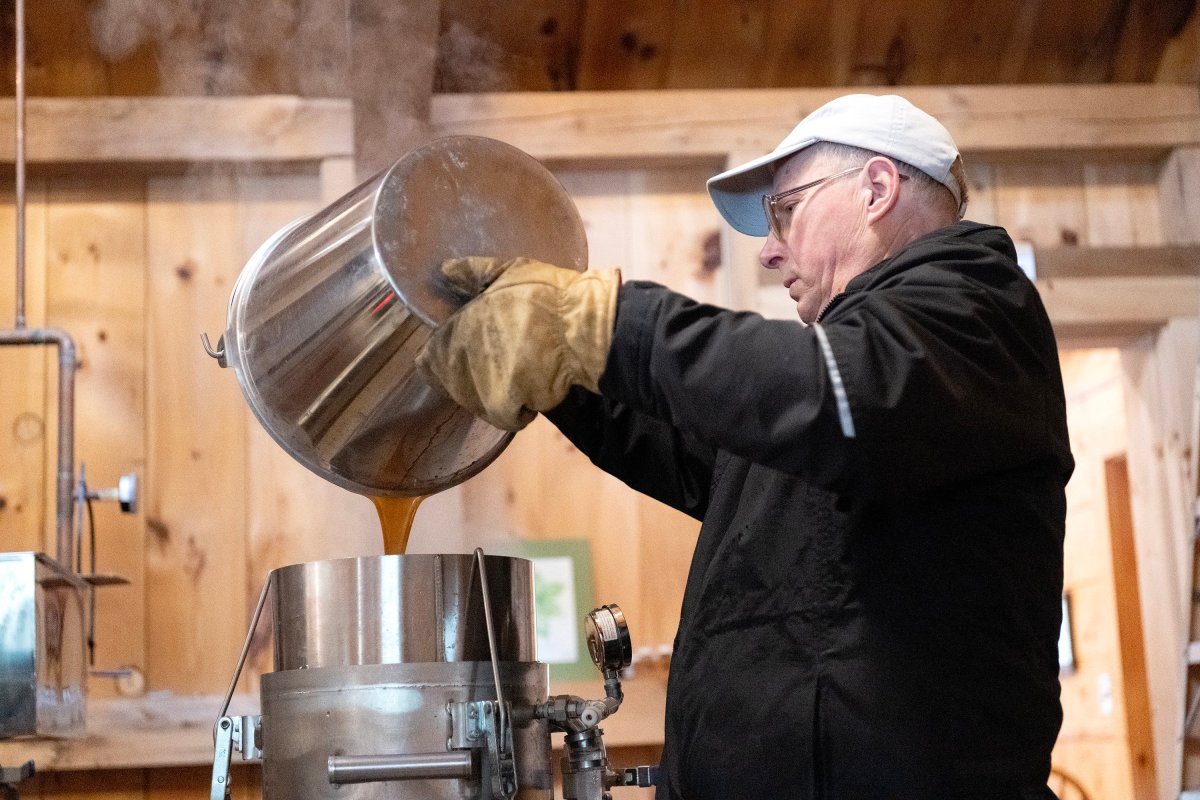
A deep winter chill across the Maine woods has kept maple trees dormant longer than usual this year, forcing producers into a high-stakes race against time as the sap finally begins to flow.
Southern Maine farmers plan for a mid-February start, but a stubborn winter has held trees in a deep sleep until March. The delay has some worried about the length of their harvest window before the spring warmth causes trees to bud, which ends their season.
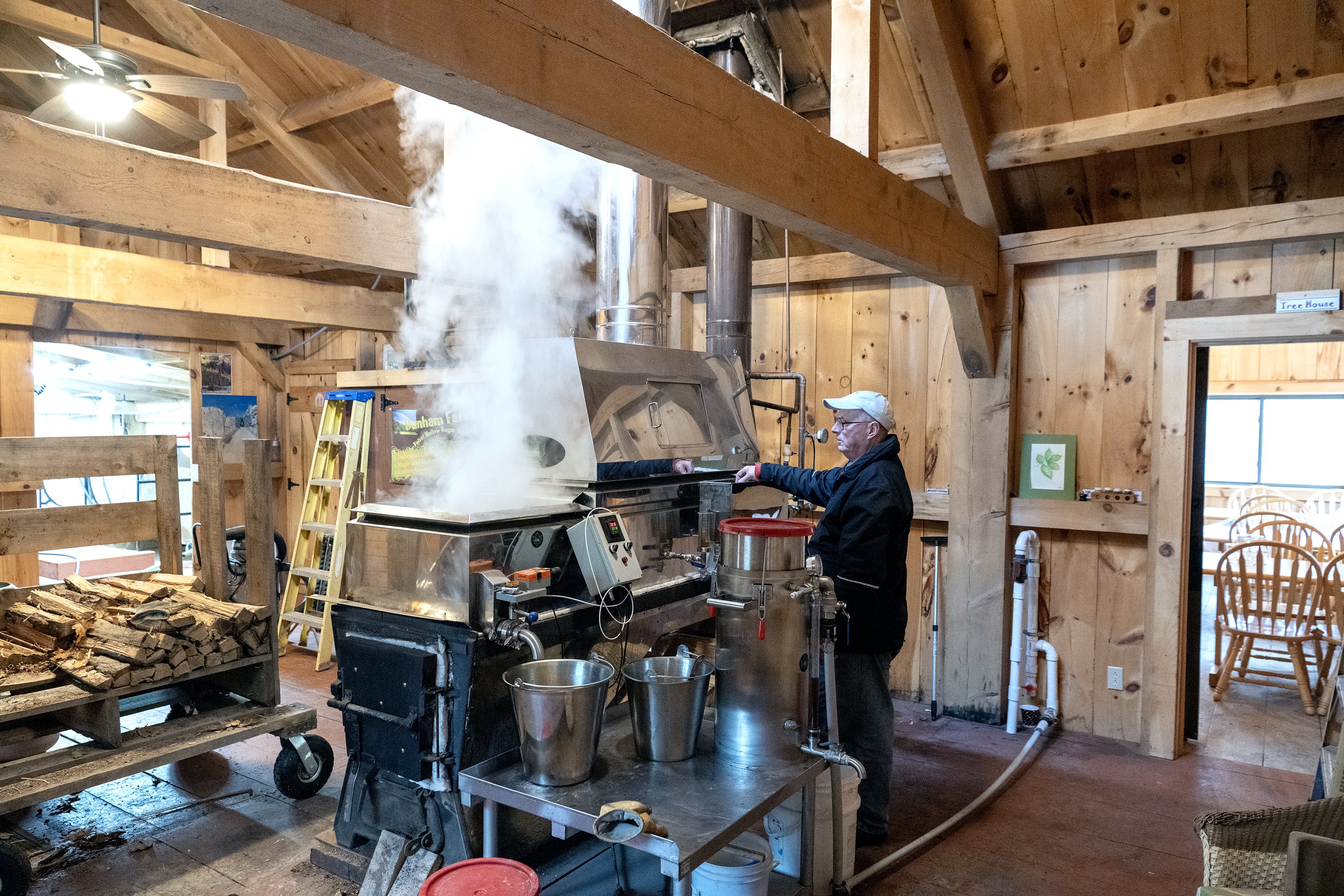
“When you’re a maple farmer, every year is just a roll of the dice,” said Brian Dunham, who runs Velvet Hollow Sugar Works in Greenwood.
Located just east of the White Mountains, his trees have struggled to thaw. Last year, he was producing 1,200 to 1,500 gallons a day in mid-March. Now, because of the weather, he is lucky to get 700 to 800 gallons.
“The scary part is our season usually ends mid-April,” he said. “I’m running out of time.”
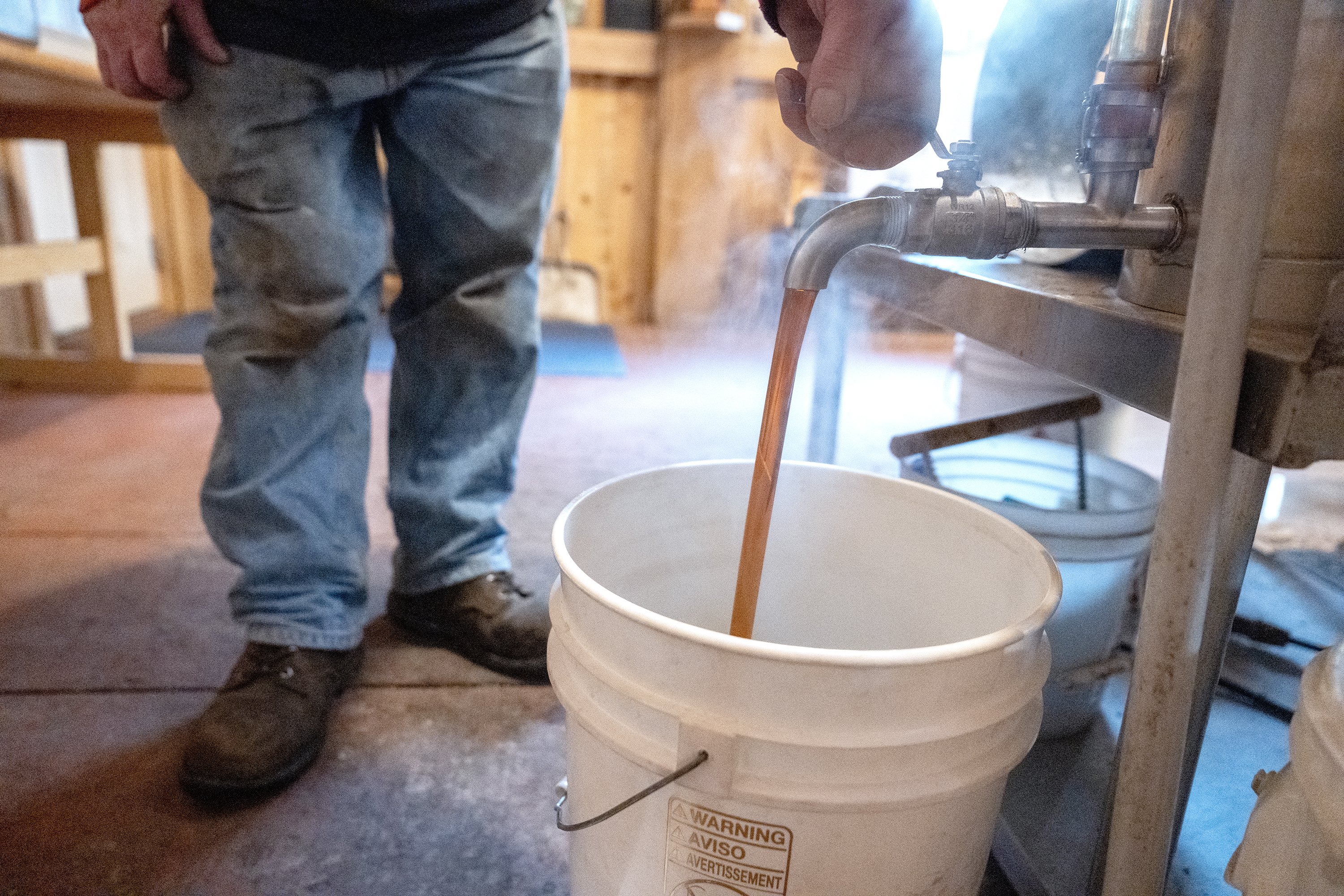
Maine is the fourth-highest maple-producing state in the U.S. In 2025, Maine’s $56 million industry produced 549,000 gallons of maple syrup from almost 1.8 million taps, according to the National Agricultural Statistics Service.
Nationally, the industry is holding steady with about 17 million taps producing about 6 million gallons of syrup in recent years, with Vermont leading the way. But maple farmers are facing new hurdles from a volatile economic landscape, according to industry analysts.
THE ECONOMIC SQUEEZE
Experts say the primary culprit is a new 10% global tariff the U.S. implemented on Feb. 24. The move followed a Supreme Court ruling that challenged the Trump administration’s trade authority, roiling industries that rely on Canadian imports.
“Everyone is very confused at how rapidly things are changing,” said Jason Lilley, a maple specialist with the University of Maine Cooperative Extension. “It’s been very difficult to stay on top of things and budget for these expansions.”
The timing is bad for Maine’s roughly 500 licensed producers. Maple syrup itself is protected under existing trade pacts, but some of the industry’s most essential tools — stainless steel sap storage tanks, for example — are not.
Tariffs are keeping equipment prices high and will limit expansion, replacement or repairs for many producers, according to this year’s national outlook.
Some medium and small producers will face challenging decisions if they need to immediately replace a key piece of production equipment that is subject to tariffs, according to Mark Cannella, University of Vermont Extension’s maple specialist.
The U.S. industry is also at the mercy of the Quebec maple industry, which keeps a massive syrup reserve that allows it to keep prices flat during a bad harvest. Maine producers have little room to raise their prices despite rising costs for labor and fuel.
Some help could be coming from the Maine Legislature.
The agriculture committee on Thursday unanimously endorsed LD 299, a bill that would tap the state real estate transfer tax to establish a $5 million fund to provide grants and low-interest revolving loans to agricultural and forest product producers.
The bill, which was introduced by independent Rep. Bill Pluecker, an organic farmer from Warren, could help Maine’s maple farmers buy the equipment they need to stay competitive in a warming climate. It is likely to get House and Senate votes this week.
ADAPTING TO THE NEW NORMAL
For Alan Greene, president of the Maine Maple Producers Association, the cold winter was actually a welcome return to a “normal” cycle after several years of unusually early starts. He dubbed it a “gangbuster” start, with half his usual syrup crop already bottled.
At Greene Maple Farm in Sebago, he credits modern technology for keeping production on track. “Anybody without a vacuum is in trouble this year,” Greene said, referring to the systems that pull sap from frozen trees. “It’s the great equalizer.”
That’s important in a state like Maine, where trees located just 500 feet apart can face a temperature differential of 10 degrees. The maple production season will vary from one producer to the next, depending on their microclimate.
Richard Morrill, who operates Nash Valley Farm in Windham, began boiling around March 1, about a week later than usual. It’s still too early for Morrill to know if he’ll eke out his usual six-week season before the 300 trees that he taps begin to bud.

Heading into Maine Maple Sunday Weekend on March 21 and 22, the industry remained cautiously optimistic. While the cold start has been grueling, producers are hoping for a stretch of 40-degree days and freezing nights to keep the “golden flow” moving.
“You just never know from one day to the next what Mother Nature is going to hand you,” said Morrill, who has been selling maple syrup since 2003 and is president of the Southern Maine Maple Sugarmakers Association.

We invite you to add your comments. We encourage a thoughtful exchange of ideas and information on this website. By joining the conversation, you are agreeing to our commenting policy and terms of use. More information is found on our FAQs. You can update your screen name on the member's center.
Comments are managed by our staff during regular business hours Monday through Friday as well as limited hours on Saturday and Sunday. Comments held for moderation outside of those hours may take longer to approve.
Join the Conversation
Please sign into your CentralMaine.com account to participate in conversations below. If you do not have an account, you can register or subscribe. Questions? Please see our FAQs.