

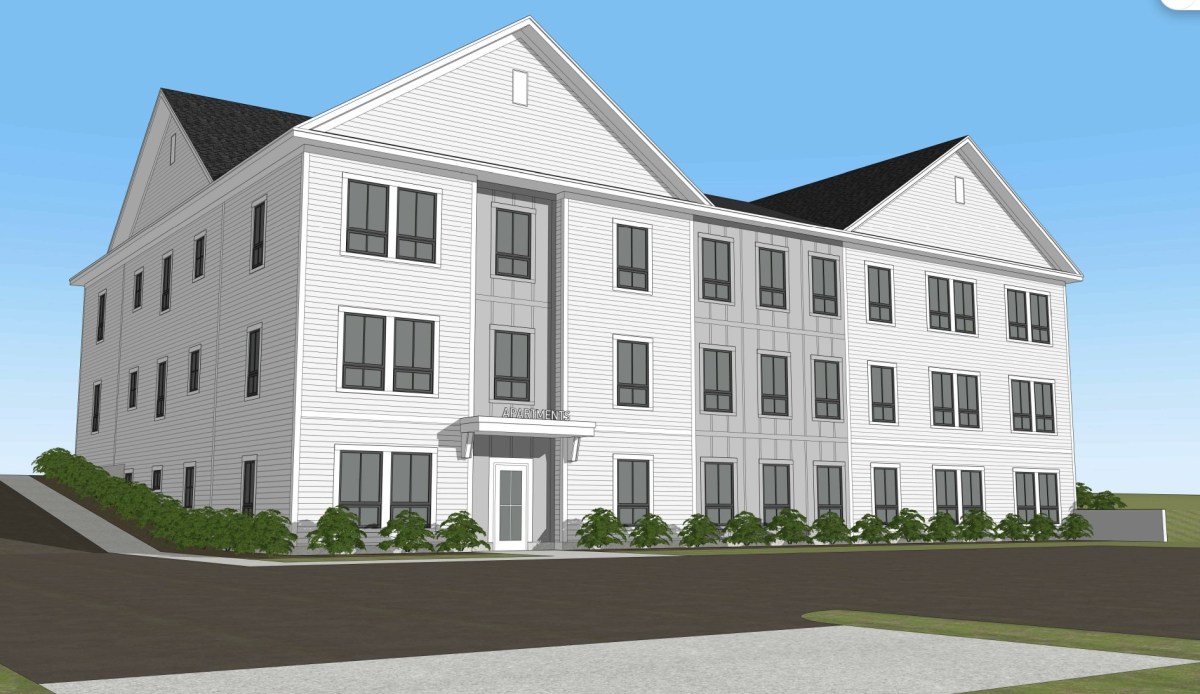
Augusta City Council members have agreed to help finance a 25-unit supportive housing development for people experiencing chronic homelessness, a final step for a first-of-its-kind project in Maine’s capital.
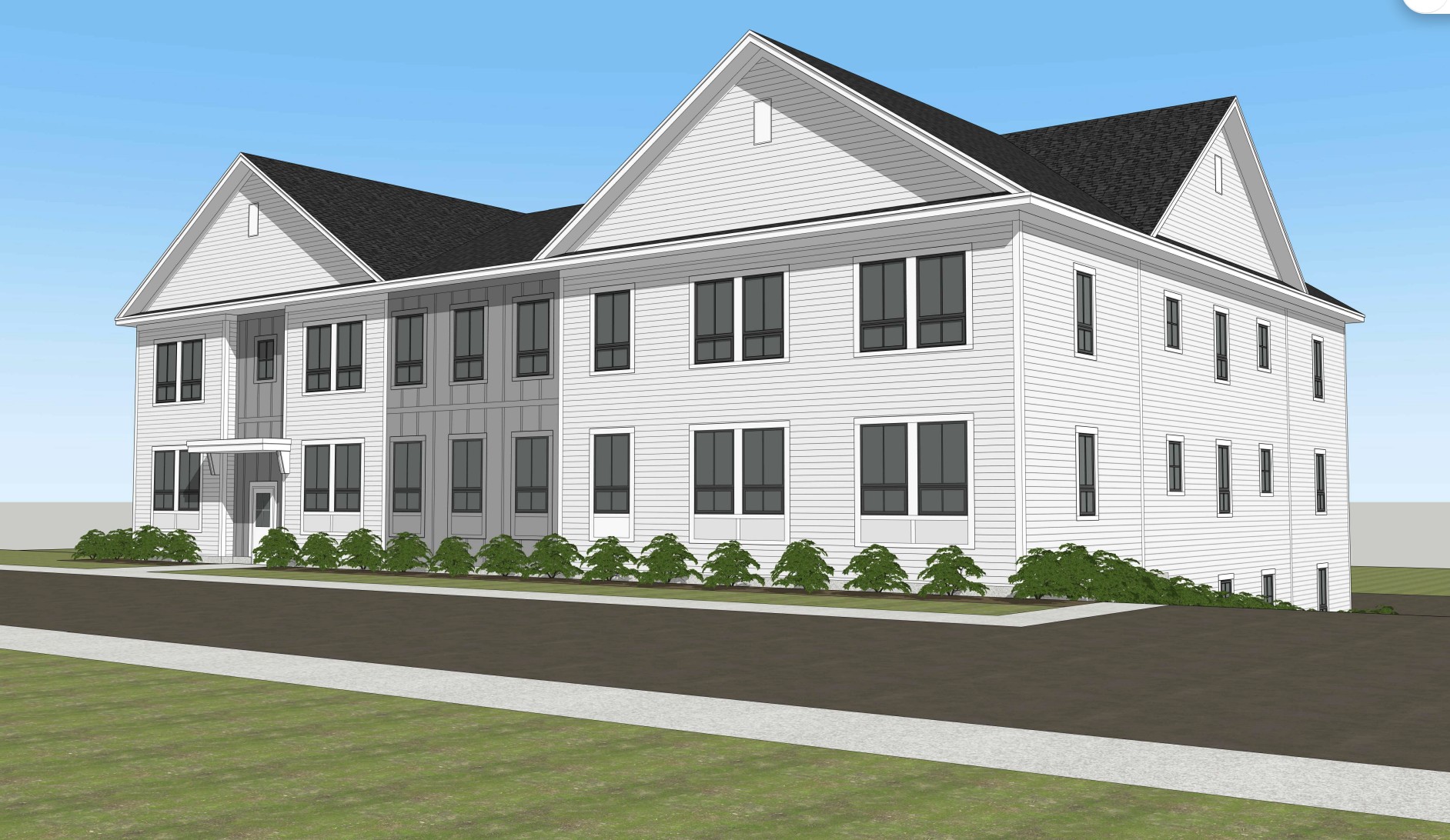
Operated by Volunteers of America Northern New England, the Riverlands affordable housing project plans to build a 24/7, year-round supportive services and affordable housing building on Oxford Street, in the Sand Hill neighborhood of Augusta.
A conglomeration of federal, state, county and private funding will cover $8 million in initial costs for the project. Ongoing support from the Maine State Housing Authority to the tune of $900,000 would continue for the life of the project, Developers Collaborative Chief Operating Officer Amanda Bartlett, who is consulting on the project, told city councilors.
The city will assume no cost, other than about $15,000 in lost property tax income, which is to be sheltered during the life of the agreement approved by the council Thursday. About 1% of the project’s total funding would come from Augusta.
“That is unheard of,” At-Large Councilor Courtney Gary-Allen said during the City Council’s discussion of the project’s financing last week.
“I know,” Bartlett said.
“It’s literally impossible,” said Gary-Allen, who works in addiction recovery.
“It is impossible, I know,” Bartlett responded. “My goal tonight is — I hope council understands how rare this is, and that it’s a one-time opportunity.”
Council discussion spun for nearly two hours as some members noted their concerns about the kind of financial support the city was to provide to the project.
Instead of a 30-year TIF agreement, At-Large Councilor Annalee Morris-Polley said, the city and developer should have considered using a lump-sum of opioid settlement money.
The lost tax revenue stood out especially for Morris-Polley, she said, because of ongoing city budget discussions and an underway property revaluation. In a city where more than a third of residents are seniors living on fixed incomes, Morris-Polley said “creative” funding solutions are more important than ever.
“Some of us can afford our taxes to go up, and some of us cannot,” she said. “And some of it may actually lead to them being unhoused themselves if we go up.”
But the proposed tax sheltering agreement would not actually cause the city to spend any money — just to collect less money than it might otherwise. And Bartlett said the project needed on-paper support from the city to finalize the rest of its funding.
“Ninety-nine percent is coming from other sources,” Nancy Fritz, the chair of the city’s ad hoc homelessness advisory committee, said. “I don’t think you can get more creative than that.”
Only people designated as chronically homeless would be eligible to live in the three-story Riverlands development. A person who is chronically homeless, as defined by the U.S. Department of Housing and Urban Development, has lived without consistent shelter for at least a year or has been homeless four times in the past three years; and has a diagnosable substance use disorder, mental illness or disability.
Chronically homeless people are much more likely than average to face poor health outcomes and interact more often with police; in 2025 in Augusta, homeless people were about 90 times more likely to be arrested than the average resident.

On-site providers at Riverlands would manage cases and medications, and residents would be expected to pay only 30% of their income as rent, thanks to subsidies from MaineHousing through its Housing First program, Home For Good.
The Augusta Task Force on Homelessness recommended this kind of permanent supportive housing last March as a first step toward reducing homelessness in its report to the City Council.
Providing affordable housing with support services on-site decreased homelessness more effectively than options that focused first on treating addiction and disability, research cited in the task force’s report said.
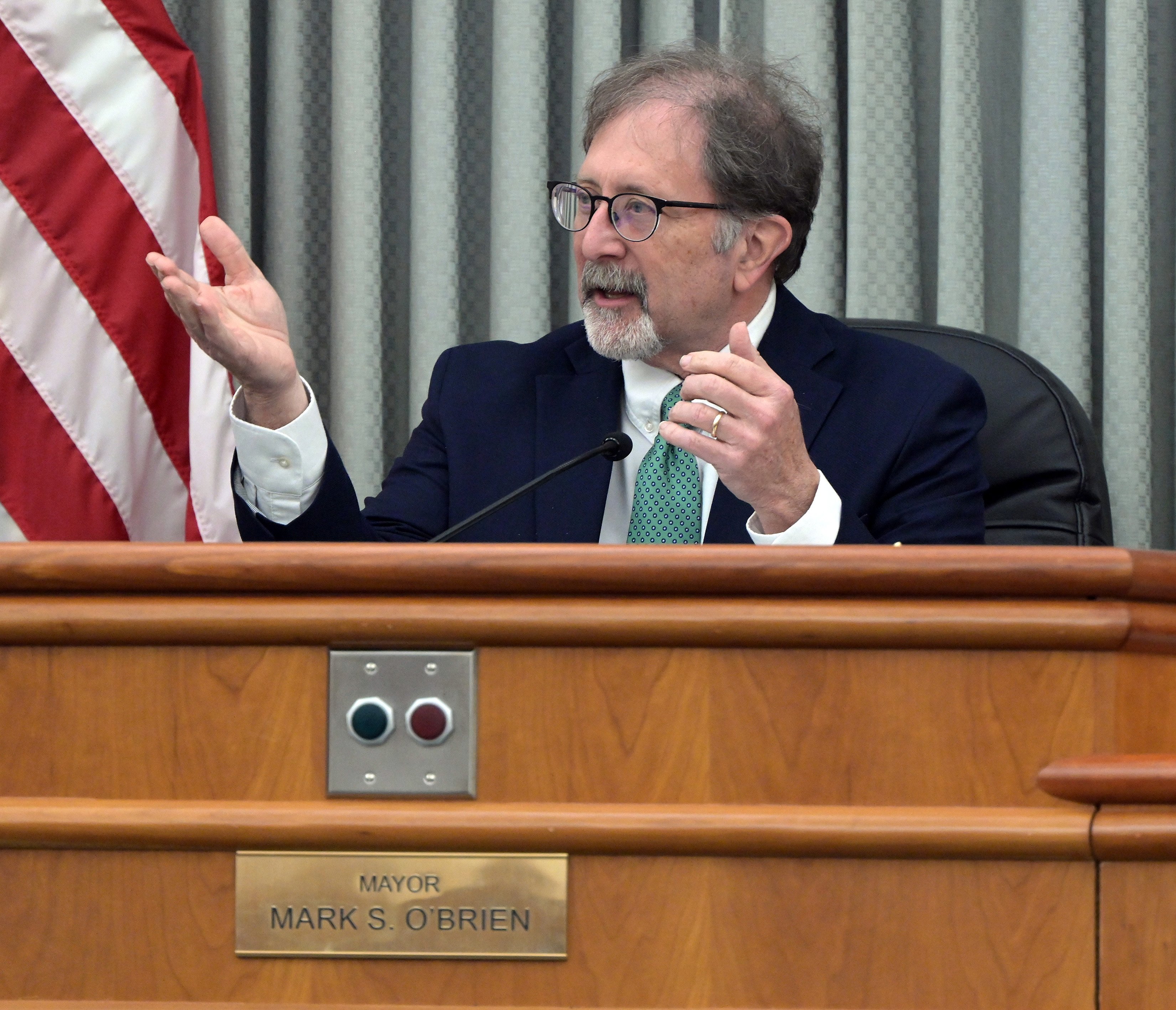
Mayor Mark O’Brien ended the council’s lengthy discussion Thursday with his own thoughts on the project: there are no real downsides, he said, between the lack of cost to the city and the impact of the project.
“If we are serious about trying to fix the homeless situation in Augusta, we must seize this opportunity,” O’Brien continued.
Eight green lights shone on the dais in front of the councilors, indicating a unanimous vote to approve. Riverlands will move forward.
Ward 2 Councilor Kevin Judkins began clapping. Gary-Allen joined in, standing to applaud.
“That was beautiful,” Gary-Allen said to O’Brien, before sitting down and letting out a sigh of relief. “Like, I literally almost started crying.”

We invite you to add your comments. We encourage a thoughtful exchange of ideas and information on this website. By joining the conversation, you are agreeing to our commenting policy and terms of use. More information is found on our FAQs. You can update your screen name on the member's center.
Comments are managed by our staff during regular business hours Monday through Friday as well as limited hours on Saturday and Sunday. Comments held for moderation outside of those hours may take longer to approve.
Join the Conversation
Please sign into your CentralMaine.com account to participate in conversations below. If you do not have an account, you can subscribe here. Questions? Please see our FAQs.