

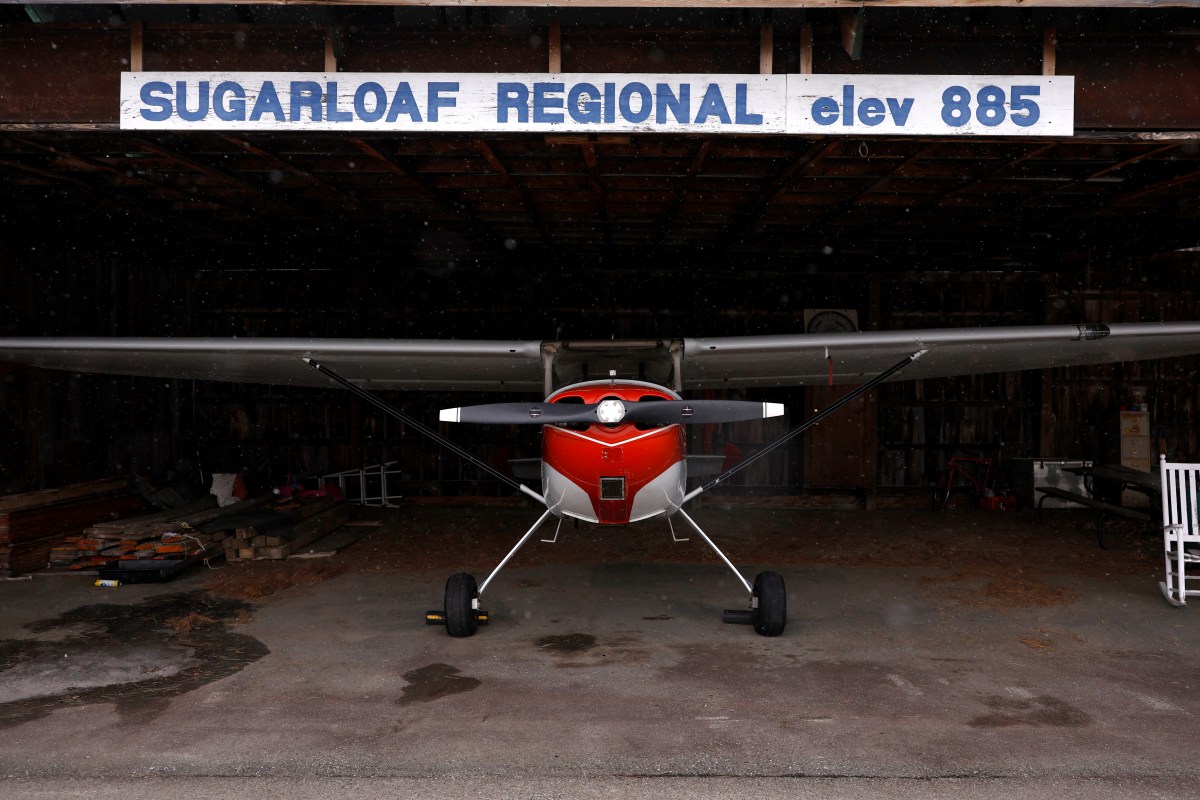
Small, rural airports across Maine are working to provide essential services, improve safety and expand their footprint in the region, and many are seeking grants to cover the cost.
At Sugarloaf Regional Airport in Carrabassett Valley, two grants from the Federal Aviation Administration are being sought for weather and runway projects aimed at restoring critical infrastructure and adding new buildings.
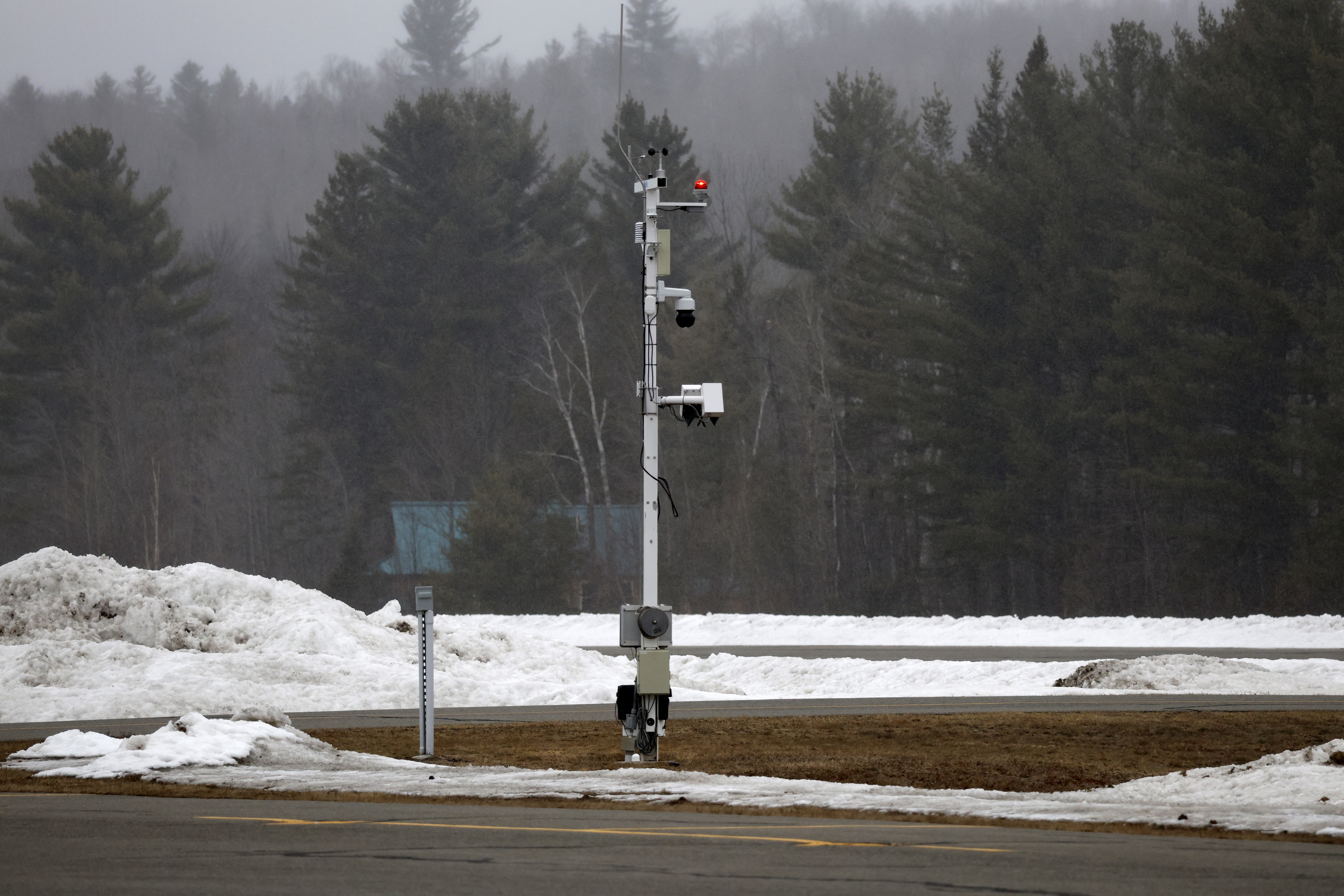
The first grant would fund improvements on its Automated Weather Observing System. The antenna reads wind speeds and visibility on the runway and uploads the data to the internet. The Federal Aviation Administration has strict guidelines for them and Sugarloaf airport is not in compliance.
The FAA has also cited the airport for the tall pine trees that line Route 27 and border the airport property because it requires a 500-foot clearing around weather monitors.
Route 27 is a scenic byway, which limits the removal of trees along the road, so airport officials had to work out an agreement to allow some trees to stay. The removal of the trees will cost $70,000 to $100,000. The airport is soliciting bids to do the work.
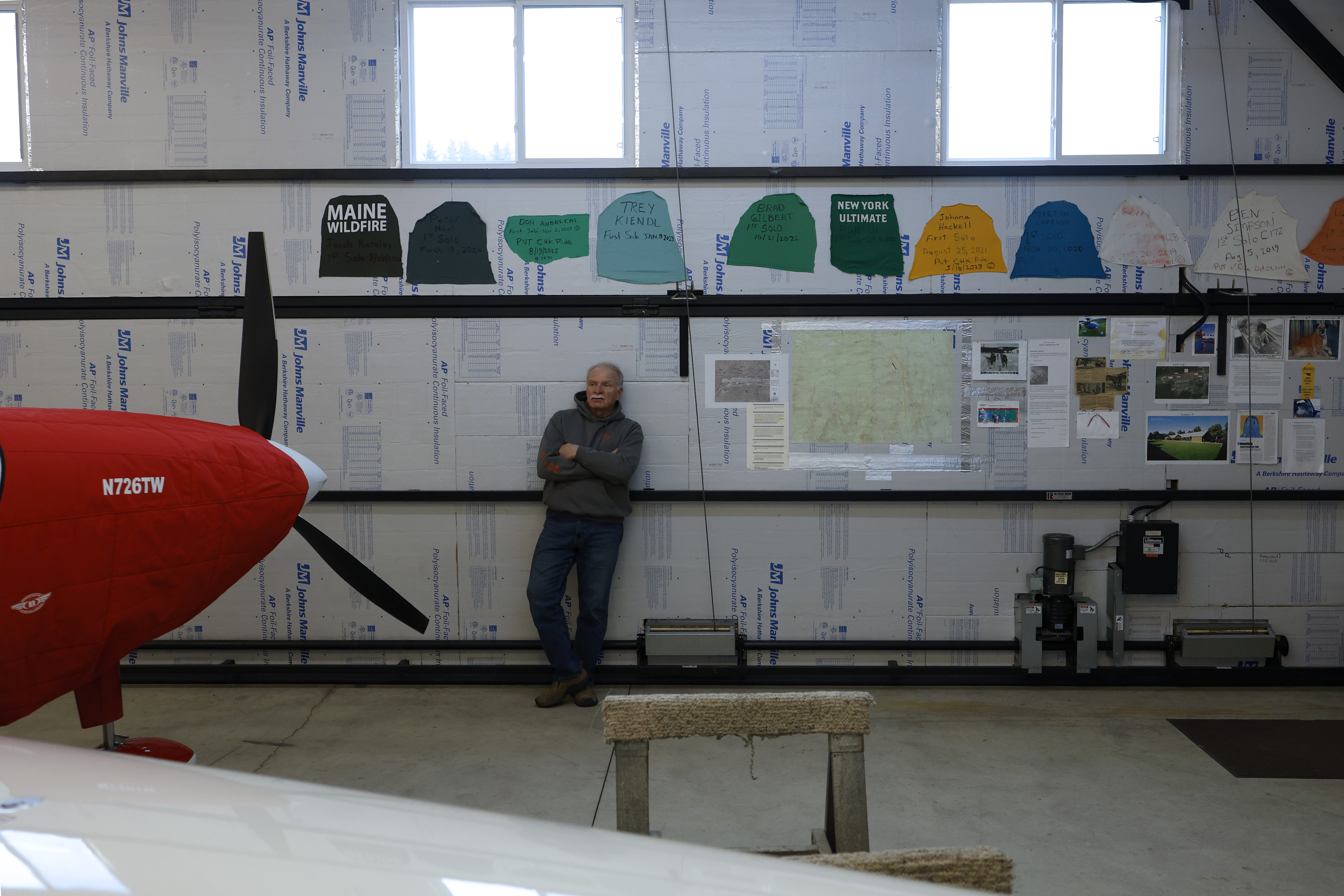
The second grant is for runway reconstruction, which is estimated to cost around $5 million.
Airport Manager Tom Wallace has been working with the FAA to make sure the grant applications are fully in order so nothing gets rejected or delayed.
“Pavement issues are always costly,” Wallace said. “And when it comes to those, the FAA wants to make sure that they’re getting the best bang for their buck of investing.”
The FAA covers 95% of project expenses through grants made with its airport improvement program. The remaining 5% is split between state and town governments, with the local amount expected to be $125,000 total.
Carrabassett Valley voters approved the $125,000 for the reconstruction at the annual town meeting in March. The airport is opening bids and waiting for the grants to be approved before beginning work.
“When you look at these remote airports, like Rangeley and Carrabassett, that’s what it’s all about. It’s all about life-saving services.”
Randy Autrey, Bethel Regional Airport coordinator
Wallace said he is also seeking a grant to construct a terminal building, which will allow for a rest area and bathroom facilities. He said other rural airports that have added them had positive responses.
“Bethel, for instance, they have a nice little terminal,” he said. “It’s not huge, but it’s probably 750 square feet. It allows for people that are coming here to deplane have a warm place to go in the winter, restroom facilities and stuff of that nature.”
In recent years, Bethel Regional Airport has received many of the same grants Sugarloaf is seeking. Ten years ago, it built a terminal building which is open to the public, but access is restricted.
Bethel airport is working on an FAA-backed 10-year plan to build nine new hangars for renters to park their planes. Its AWOS system was recently upgraded with a $600,000 grant from the FAA. It is one of only two systems in the state, the other being in Princeton. The monitor keeps them up to code with LifeFlight of Maine, which flies patients from remote areas to hospitals.
Rangeley’s Steven A. Bean Municipal Airport received over $11 million in 2018 to completely revamp its facilities to make it accessible to LifeFlight.
Randy Autrey, coordinator at Bethel Regional Airport, said rural airports rely on outside funding to continue operations. The facilities are critical infrastructure, as important as highways, when it comes to keeping remote regions connected, he said.
“We have to live for the grants because it’s the only way to get money,” he said. “These small airports, you know, it’s very rough to keep things going.”
The most important function of these airports, Autrey explained, is that they allow emergency services to access the surrounding region.
“When you look at these remote airports, like Rangeley and Carrabassett, that’s what it’s all about. It’s all about life-saving services,” Autrey said.

We invite you to add your comments. We encourage a thoughtful exchange of ideas and information on this website. By joining the conversation, you are agreeing to our commenting policy and terms of use. More information is found on our FAQs. You can update your screen name on the member's center.
Comments are managed by our staff during regular business hours Monday through Friday as well as limited hours on Saturday and Sunday. Comments held for moderation outside of those hours may take longer to approve.
Join the Conversation
Please sign into your CentralMaine.com account to participate in conversations below. If you do not have an account, you can subscribe here. Questions? Please see our FAQs.