

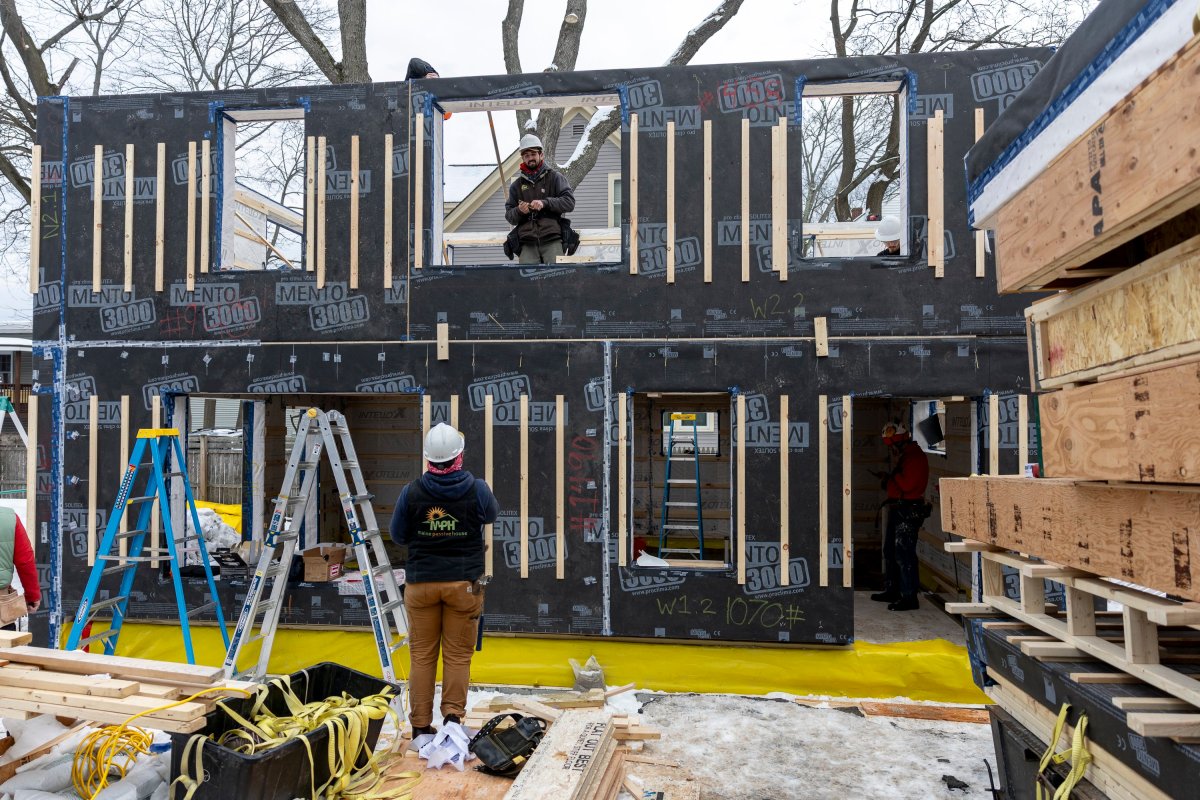
Real estate experts say there is growing interest in accessory dwelling units, but high building costs and a general lack of awareness are keeping these small houses from taking off in a big way.

EXPLORE MORE ON ADUS IN MAINE
- How a landmark 2022 law set the stage for increased interest in ADUs in Maine
- Who is building ADUs in Maine? Here’s a closer look at three examples.
- The state wants ADUs. Cities and towns are seeing mixed results.
- Coming Friday: Everything you need to know about paying for an ADU
- Coming Friday: Want to build an ADU? Here’s what you should consider.
It’s not for lack of trying.
Over the last few years, legislators have passed multiple bills to loosen (and loosen again) zoning regulations across Maine, making these units legal on any single-family lot.
They’re appealing to people who want to keep relatives — whether aging parents or an adult child — close by, or for people seeking supplemental rental income.
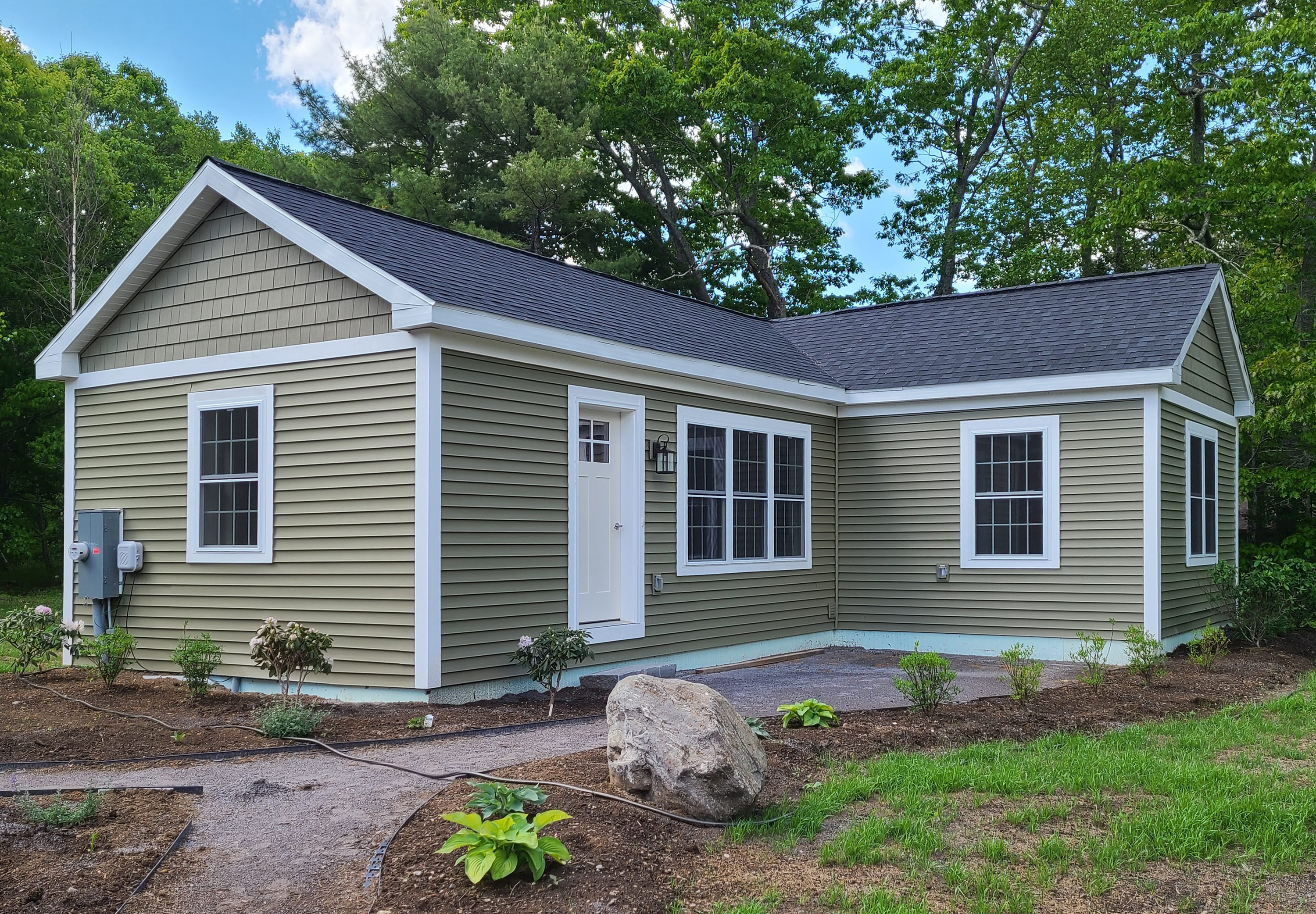
Accessory dwelling units share a lot with an existing home. They can be detached in the backyard, above the garage, built onto the home like an addition or in a renovated space like a basement.
Lawmakers have touted them as a way to get more units up quickly, boosting density and chipping away at the 84,000 units the state is trying to build by 2030.
But passing legislation may not be enough.
There’s often a disconnect between a government body doing something and that “something” actually taking hold in the market, said Tanya Emery, advocacy manager for the Maine Municipal Association.
“You’re not just going to fix planning boards and there’s going to be an avalanche of housing being built,” she said.
Part of the problem is material costs and high interest rates, which have plagued Maine’s housing market overall.
HIGH COST HAS DEPRESSED DEMAND
There’s no statewide data about how many ADUs have been permitted in recent years or whether there’s been a significant increase — though the state is now collecting that information from municipalities.
But experts say it’s clear that interest in ADUs is growing.
Michelle Neujahr, co-owner of Nu-Yar Construction in Gray, estimated that in the last six months she’s received about four times as many calls about ADUs as she did in the previous year.
Chris Marshall, co-owner of GreenMars Real Estate, said interest in his company’s proposed Portland condos with built-in ADUs — pitched as the “new age starter home” — has been heavy. Pre-orders have been steady.
And Chris Lee, design and development director for Brunswick-based Backyard ADUs, said his company is building between one and one and a half Maine ADUs each month. The company, which also operates in Massachusetts, gets about 600 leads a month from interested homeowners in both states, he said.
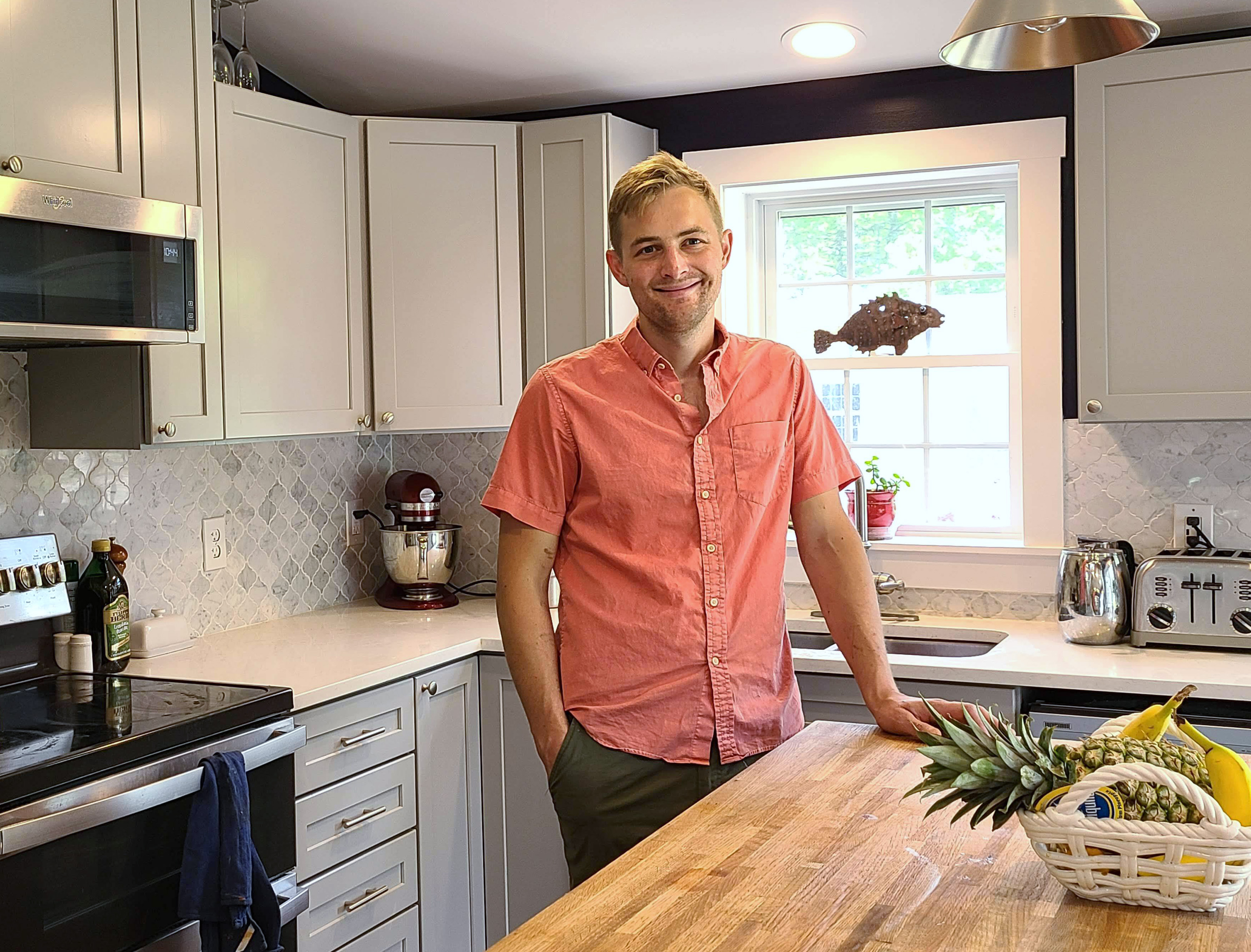
Interest surged in 2022, when lawmakers passed LD 2003, the landmark legislation that legalized ADUs statewide, overriding many local zoning restrictions.
High interest hasn’t necessarily translated to completed projects, though.
In 2022, Portland planning officials permitted 14 ADUs, followed by 18 in 2023. But the numbers haven’t continued to rise, dropping to 16 and 14 in 2024 and 2025, respectively.
That trend is consistent with anecdotal evidence that led lawmakers to pass another bill, LD 1829, last year. The bill further loosened zoning regulations and cleared the way for even more ADUs per lot. It won’t go into effect until 2027, so it may take several years before legislators see the explosion of ADUs they’re hoping for.
Even that may not be enough to get things moving.
Emery, at the municipal association, was previously the community and economic development director in Bangor, which oversaw similar reforms in 2018-19. It didn’t lead to a significant increase in ADUs.
“Some things catch on like wildfire,” she said. “This is not something that has.”
Like the rest of the housing industry, ADU builders struggle with ballooning costs, a worker shortage, lengthy permitting processes and high interest rates. The cost of an ADU, which can swing from $30,000 to more than $500,000, is out of reach for many people.
“Permissiveness is coinciding with people struggling with basic needs,” Emery said.
The median detached-style ADU will cost about $350,000, according to estimates from the Greater Portland Council of Government’s Maine ADU Guide.
That’s not far off from last year’s median single-family home sale price of $405,000 and is significantly higher than 2019’s pre-pandemic median of $225,000.
“ADUs are the cheapest thing you can build, but for the average homeowner they’re still not cheap,” said Lee, at Backyard ADUs.
Costs vary widely.
A smaller, no-frills model from Backyard ADUs can be as low as $275,000, while Neujahr said ground-up ADU construction at her firm ranges from $1 million to $1.5 million.
Something simpler, like a garage conversion, might cost closer to $400,000 from Nu-Yar, though the ADU Guide estimates $60,000 to $150,000.
“Just because it’s small doesn’t necessarily mean that the price tag is small,” Neujahr said.
POTENTIAL REMAINS
People seeking an ADU mostly fall into three categories — aging parents, adult children and prospective landlords. Lee said it’s most common for the former, since they are most likely to be able to afford it.
Older adults moving into their children’s backyard often sell an existing home first, making the financing more straightforward. Neujahr estimated that 75% of the calls she gets about ADUs are for people interested in building one for a parent, which makes sense given Maine’s aging population.
In Massachusetts, Lee has seen an increase in the opposite — adult children, either home from college or moving back from another state, defeated by a competitive real estate market who instead put down roots in their parents’ yard.
That trend has yet to emerge in any noticeable way in Maine, he said.
Finally, there’s a lot of investor interest in ADUs, he said, but not a lot of “implementation.”
“It’s a weird asset,” he said.
ADUs are difficult to finance with commercial financing. As an accessory to the main house, they cannot be sold separately. Many municipalities have banned them as short-term rentals. And the cost of ground-up construction means it can be years before it becomes profitable.
“Just because you own a home doesn’t mean you’re a real estate investor,” Lee said. “Most people are just not ready to put full faith in themselves as a landlord,” he said.
However, in Portland, pre-orders have been steady for Stroudwater Commons, where GreenMars is building a complex of condos, many of which have built-in ADUs.
Marshall, the co-founder, said he and business partner Nate Green envision them as a way for young people to break into the housing market, renting out the attached studio for either short or long-term use. It’s how each of them got started in real estate.
But high prices for both purchases and renovations plus the city’s rent control ordinance, makes that largely inaccessible for people just starting out, Marshall said.
“ADUs bring that potential back,” he said.
For ADUs to take off in Maine like they have in, say, California, there needs to be a concerted effort to spread awareness, said Matt Pouliot, an Augusta-area real estate agent and a former state legislator.
“There’s a lot of people that still don’t even know about LD 2003 or that they can even do this,” he said, suggesting a door-to-door campaign similar to how people learned about solar power.
Maine also needs to boost its modular housing production and building trades apprenticeship programs so when that interest transitions to investment, it’s ready to meet the demand, he said.
“You can’t … pass laws and just expect behavior to happen,” Pouliot said. “The free market has to come along and start taking action.”

We invite you to add your comments. We encourage a thoughtful exchange of ideas and information on this website. By joining the conversation, you are agreeing to our commenting policy and terms of use. More information is found on our FAQs. You can update your screen name on the member's center.
Comments are managed by our staff during regular business hours Monday through Friday as well as limited hours on Saturday and Sunday. Comments held for moderation outside of those hours may take longer to approve.
Join the Conversation
Please sign into your CentralMaine.com account to participate in conversations below. If you do not have an account, you can subscribe here. Questions? Please see our FAQs.