

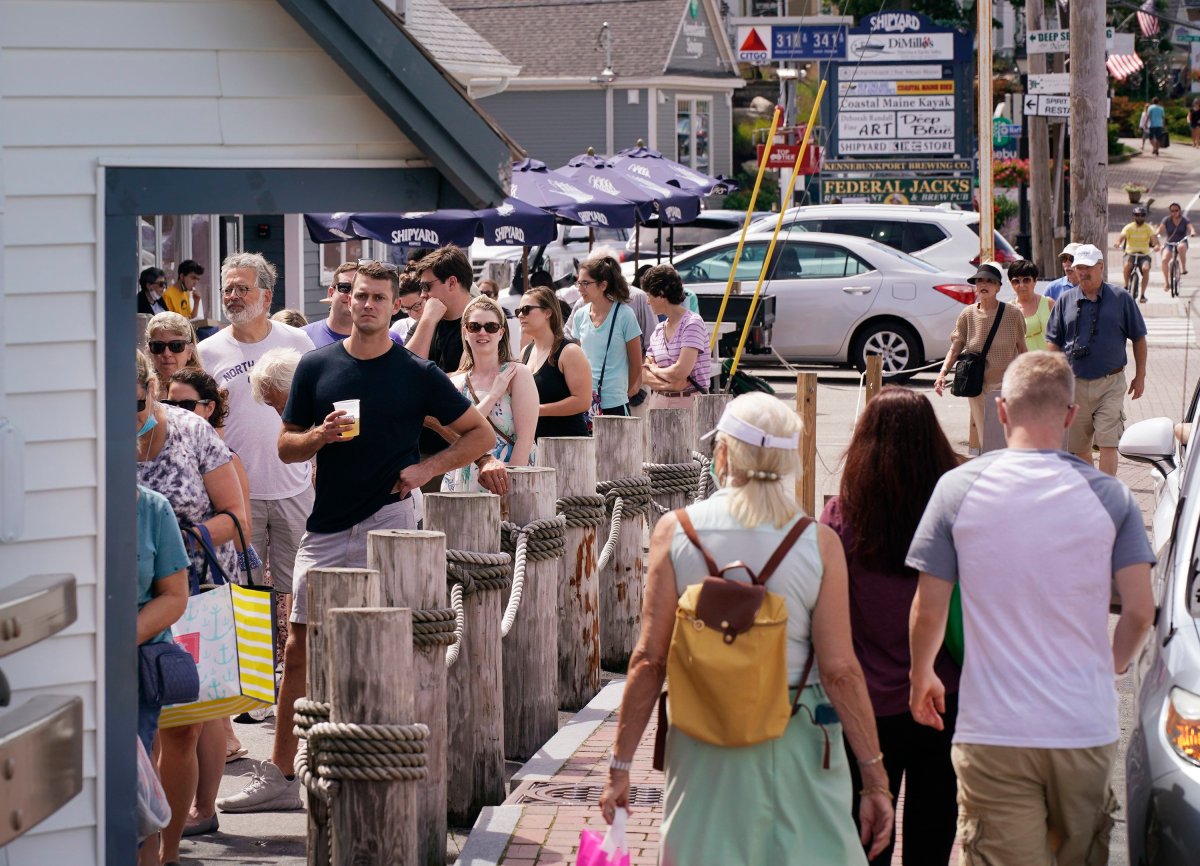
It had been a while since I strolled Portland’s inner Washington Avenue when I found myself there on Valentine’s Day, walking arm-in-arm with my date, pointing out all the new things I was noticing.
As a parade of couples made its way toward us, I saw myself reflected in their swiveling heads and stop-and-go strides, pausing to peer through windows or look up something on their cellphones.
Clearly, these were tourists in town for a romantic weekend. But how could I be so sure of that, considering I was acting just like them?
When I started thinking aloud about what gives visitors away, my significant other admitted that one of the reasons he wears a Sea Dogs hat so often is to mark himself as a local. Who knew?
The writing, however, isn’t always on the ball cap; some behaviors that distinguish us from tourists are more subtle. If you find yourself among the hordes this summer, here are a few things you can do to make sure you’re giving the right impression.
Don’t look too nice
Although fanny packs are no longer a telltale sign of a vacationer, clothing can be a reliable indicator — beyond sports apparel and crisp Bar Harbor T-shirts with creases on the sleeves. In downtown Portland, it’s people who look a little too put together that scream “tourist” to me. It makes sense: When you’re packing for a trip, you’re carefully selecting outfits ahead of time, not throwing on whatever’s clean. Plus, anyone who can afford a hotel room in the city probably has a bigger wardrobe budget than most locals.
Walk with purpose
While we’re not exactly New Yorkers (OK, some of us are), Maine has its own unspoken pedestrian code of conduct. Here, standing by a crosswalk is an indication that you’d like to cross the street, and Maine drivers will stop for you. In Freeport, they’ll slam on their brakes at any sign of your body weight shifting toward the roadway. As polite as the underlying sentiment may seem, they won’t be pleased if you wave them along; it’s just not how this works. So, if you need to stop and think about where you’re going next, do it away from the curb — and preferably not clumped in a group in the middle of the sidewalk either.
Know how to order
Sitting at restaurant not long ago, I overheard someone at the bar order a “Maine Beer Co. Lunch,” pronounced just as it’s written, with a hint of a question mark at the end. He was right to second-guess himself. Like Britney and Beyoncé, certain Maine beers (Lunch, Substance, Tubular) are so well known they only require one name, and specifying beyond that makes it seem as though you’re the only one who’s never heard of them. Oysters offer another opportunity to reveal your level of familiarity with the area, by how you pronounce wherever they were harvested. Think about it: No one’s getting “Damariscotta” right on the first try.
Talk about how things used to be
There’s no better way to show you know a place than by talking about what used to be there, and any longtime Mainer will happily entertain the topic. Buildings that have been demolished, businesses that have turned over and roads that have been renamed are all good jumping off points for getting into the way things were (which is typically going to be preferrable to how they are now). Even new residents can participate by lamenting the loss of the old children’s museum, commenting on the replacement for the Frank J. Wood Bridge or giving directions in reference to where, before last week, the Saco Drive-In was.
Ignore everything you just read
That’s right, now that I’ve clued you into how to prove your residency, let’s pretend this never happened. Any whiff of effort on your part is going to make you seem like a poser. Have you ever heard someone rattling off every factoid they know about Maine in an attempt to fit in? It doesn’t work. Trust me.

We invite you to add your comments. We encourage a thoughtful exchange of ideas and information on this website. By joining the conversation, you are agreeing to our commenting policy and terms of use. More information is found on our FAQs. You can update your screen name on the member's center.
Comments are managed by our staff during regular business hours Monday through Friday as well as limited hours on Saturday and Sunday. Comments held for moderation outside of those hours may take longer to approve.
Join the Conversation
Please sign into your CentralMaine.com account to participate in conversations below. If you do not have an account, you can subscribe here. Questions? Please see our FAQs.