

PORTLAND — If you see a house floating across Casco Bay soon, this may be why.
BrightBuilt Home, a maker of environmentally conscious modular homes, is in the final stages of design, construction and installation of a small, high-performance home for Nancy Jordan, a client on Long Island.
Jordan was looking for an energy-efficient home with solar power, two bedrooms, and one bathroom. Jordan, a widow in her 80s, owns a home, but it is drafty and has stairs. She wanted first-floor living with accommodations for an eventual live-in care provider.
Once ready, her 971-square-foot home, built at KBS Builders in South Paris, will be shipped by boat out to Jordan’s property.
Jordan is one of the growing number of people looking to modular homes as a customizable, energy-efficient way to overcome the ongoing nationwide housing shortage. With housing scarce and conventional construction expensive, prefab homes are becoming a way for buyers to get a house that’s the right fit logistically and financially.
“You look around and all the existing housing stock is either equivalent to or maybe slightly less than what it would cost to build something new,” Parlin Meyer, an architect and principal at Brightbuilt, said.
The savings she says, are immediate. “As soon as you occupy that house and start living in it, you’re spending vastly less per month on utilities and costs to operate the home than you would be if you moved into that maybe slightly less or comparable priced existing home.”
Nationally, modular construction represents 3%-12% of new construction. (Maine begins statewide tracking of housing data this year.)
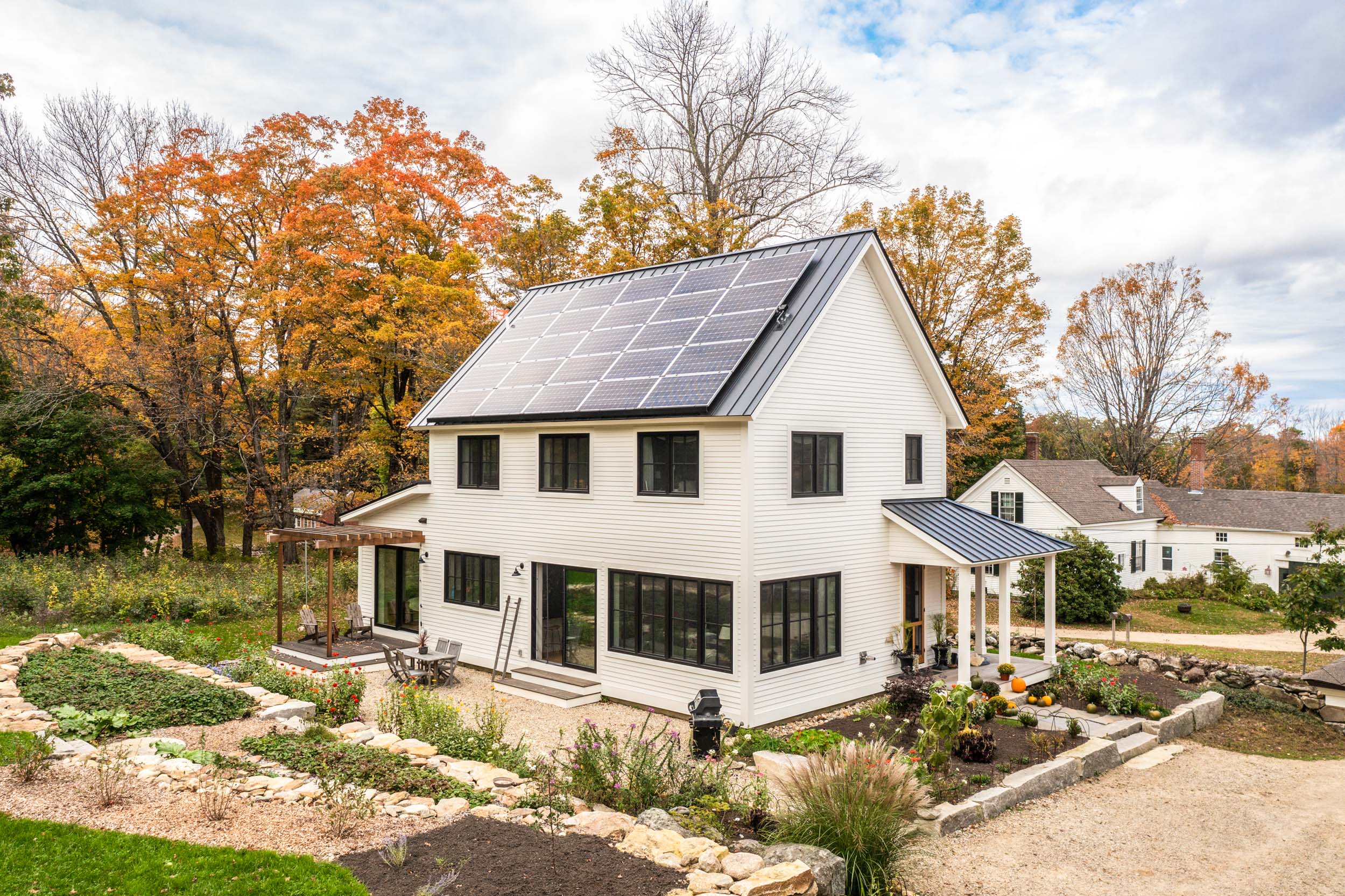
High-performance modular homes are designed and built to be highly energy efficient, from superior insulation, airtight construction, multipane windows, efficient heating and cooling systems, and optional solar power systems.
In Maine, where energy prices are among the highest in the nation, that can make a big difference. The Maine Department of Energy Resources reports residential electricity rates averaging around $0.32 per kilowatt hour , and heating oil ranging from $4.19 to $5.90 per gallon, as of June 8.
That puts energy costs for a traditional, 1,750-square-foot home at $500 a month, or $6,000 a year. A high-performance home of comparable size costs $75 a month or $900 a year. Add a solar system to the package and the savings are exponentially greater.
KBS Builders in South Paris is the state’s largest manufacturer of modular homes. President Thatcher Butcher said their process is vastly different from on-site construction.
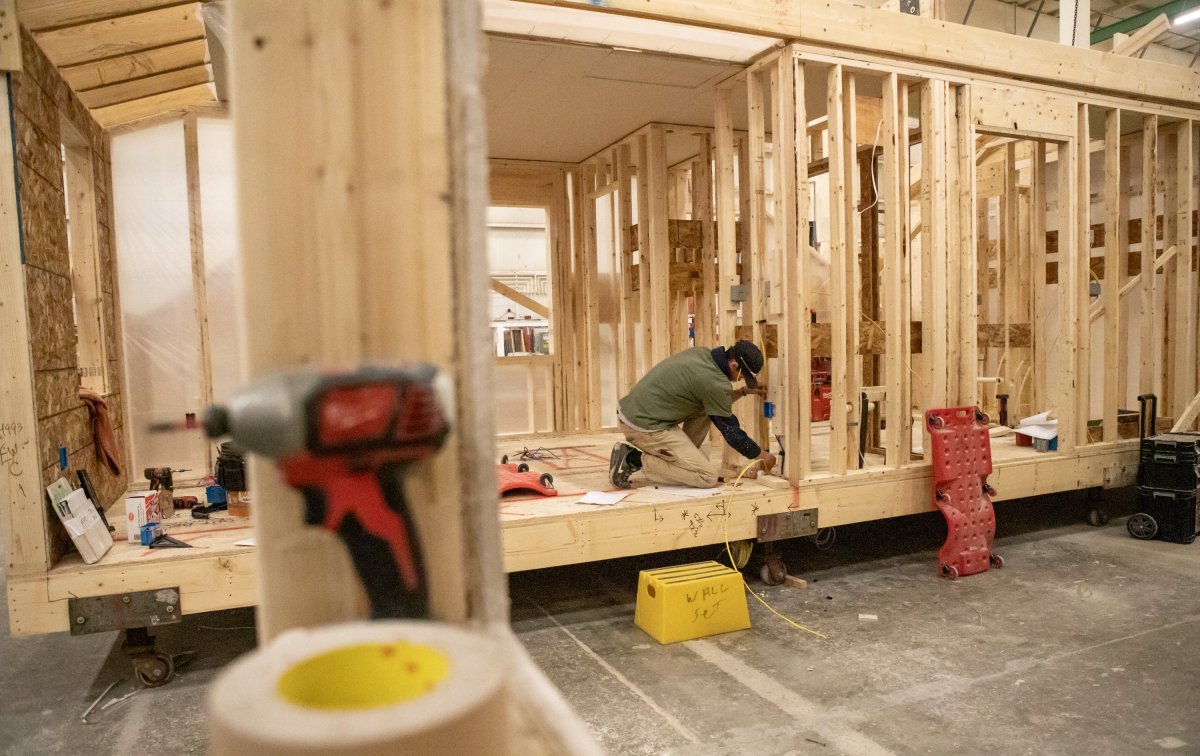
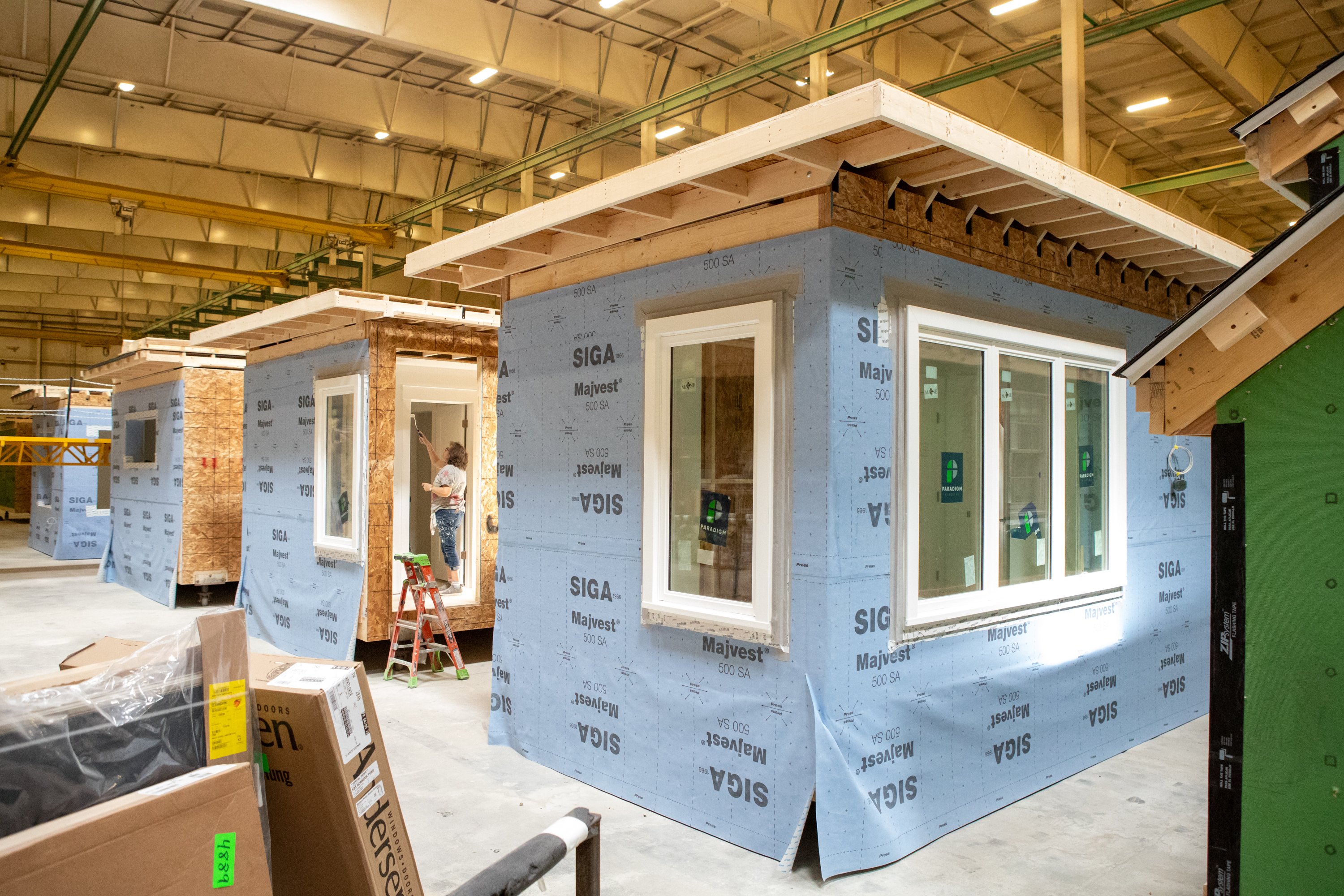
Modular construction takes place in a factory, offering many benefits, including a climate-controlled environment, cost savings, faster timeline, less waste, better quality control and enhanced sustainability. Electrical wiring, plumbing, drywall, and roofing can all be accomplished in the factory, significantly reducing the on-site installation time and costs.
“We’re insulating and air sealing at every phase along the way,” Butcher said, “versus with a site-built house you don’t even begin to think about insulating or air sealing until the very end.”
In the last decade, Maine had the third-highest home price growth in the nation at 110%, according to construction research firm Construction Coverage. In May, the average single-family home in Maine sold for $433,875, according to Maine Multiple Listing data. Nationally, that figure was $417,700.
Building a home can now cost less than buying an existing home, though there are many variables. The national average for construction quoted by Autodesk for a 2,000-square-foot home in 2025 was $323,000, with Maine’s average cost at $345,000. Land and site preparation are not included in this price.
Modular homes, by comparison, average $270,000 nationally, according to Home Advisor. Prices can fluctuate by region and land costs, however, and the total costs can add up with custom upgrades.
Pricing for performance homes is harder to pin down because buyers have different ideas of what makes a performance home. Choice of finishes, size, sustainable materials upgrades and options like solar systems all impact the cost.
Performance home pricing can vary from a low of $200 per square foot to $500 per square foot, putting the range between $400,000 to $1 million for a 2,000-square-foot home. Smaller performance homes tend to be more energy- and space-efficient.
Site-built construction is also limited by season, which puts further pressure on builders and developers, and limitations on the buyer. Meyer points out that’s not necessarily the case with modular homes, providing the foundation is ready.
“The other thing that I think is a little counterintuitive for folks, is that a winter modular delivery is actually somewhat optimal because the ground is frozen,” Meyer said. The home is dried in, so all that remains is electrical, water, and sewer or septic connections. Flooring and counters can be installed with minimal weather concerns.
The winter installations also keep construction workers employed at a time of year when many builders scale back their workforce, Meyer points out, adding that those workers enjoy a closed-in and heated space.
Modular homes are also helping fill the market for accessory dwelling units.
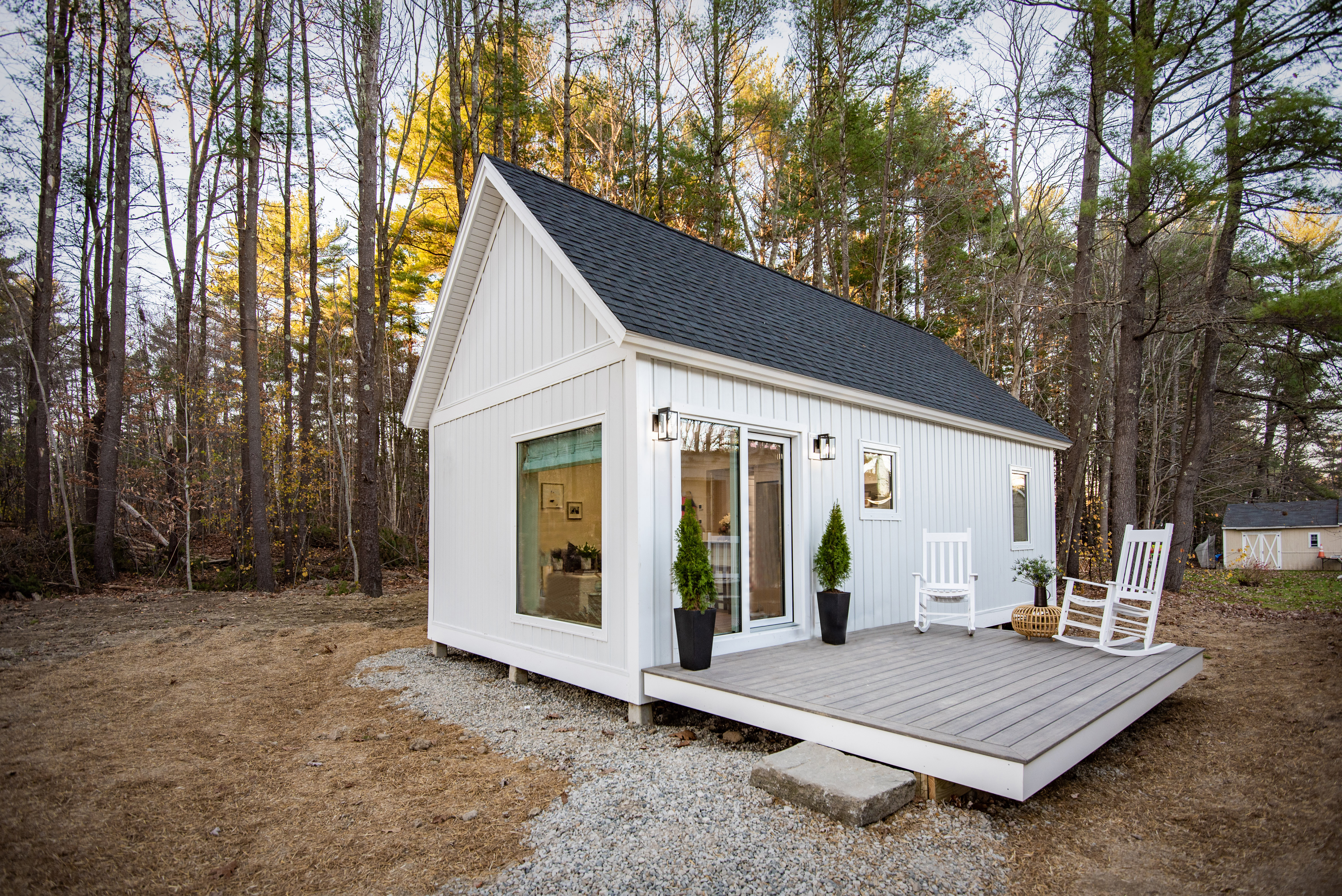
The accessory dwelling unit, or ADU, has in some cases become the replacement for the entry-level home and the answer to downsizing, all in one.
Many municipalities put limitations on ADUs during the COVID-19 pandemic to counter a surge in short-term leases because they take away properties from the long-term market, compete unfairly with regulated hotels, and garner complaints of traffic and noise in residential areas.
However, changes in Maine law now allow at least one ADU per lot, and the elimination of the owner-occupancy rule and other limitations makes them an attractive option, especially if you own the land.
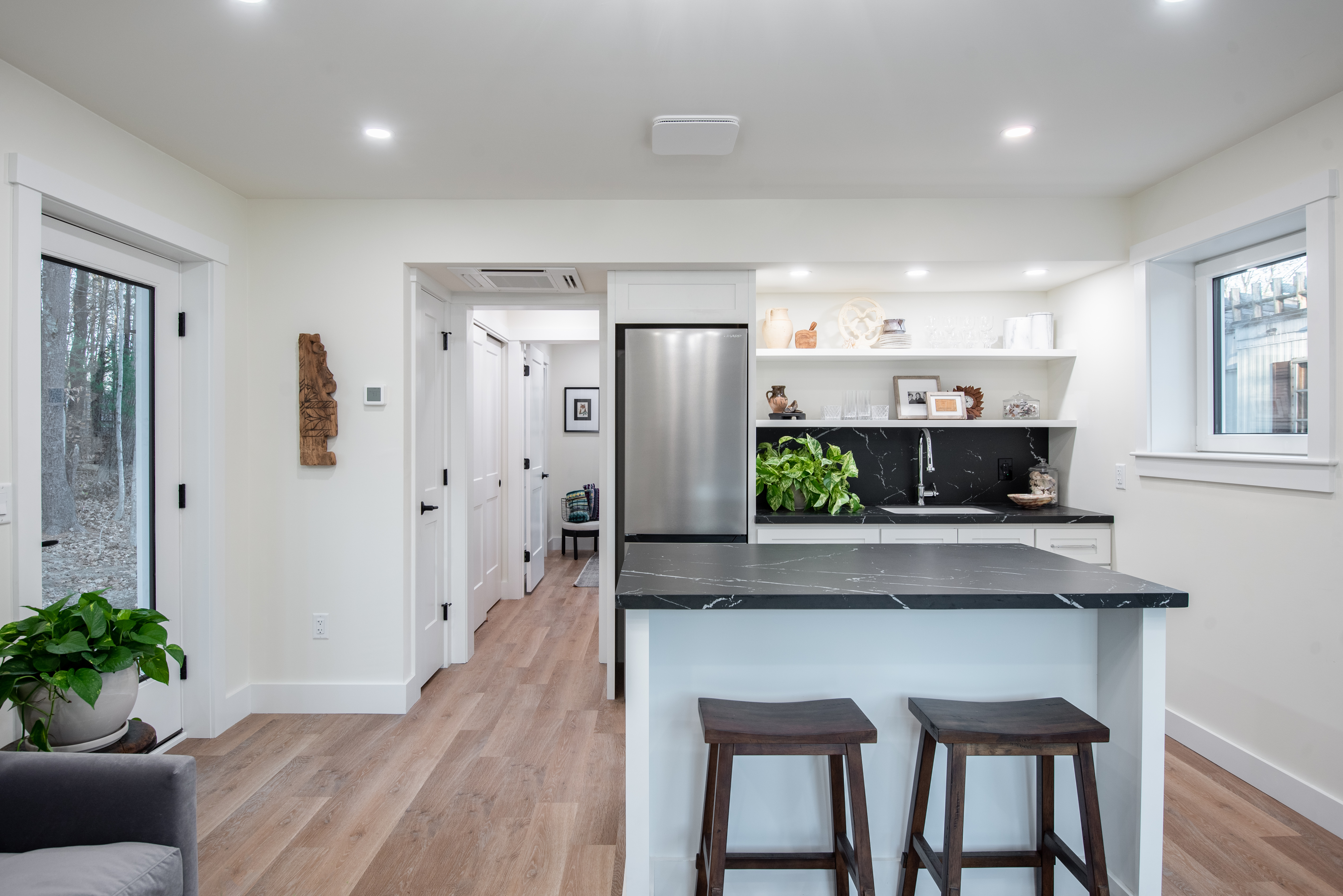
“Where I’ve seen it start to shift back is in those ADU zoning regulations, where towns have started to relax their fear of allowing for ADUs and recognize we have a housing crisis,” Meyer said.
By giving homeowners the opportunity to expand on their own properties, either to house a family member or make additional rental income, ADUs meet a lot of needs in a smaller, more affordable package, she said.
“You have the opportunity to tap into that infrastructure,” Meyer said. “You can shift funds to create something of a jewel box on your existing property — that you already own, that you already have equity in.”

Comments are not available on this story. Read more about why we allow commenting on some stories and not on others.
We believe it's important to offer commenting on certain stories as a benefit to our readers. At its best, our comments sections can be a productive platform for readers to engage with our journalism, offer thoughts on coverage and issues, and drive conversation in a respectful, solutions-based way. It's a form of open discourse that can be useful to our community, public officials, journalists and others.
We do not enable comments on everything — exceptions include most crime stories, and coverage involving personal tragedy or sensitive issues that invite personal attacks instead of thoughtful discussion.
You can read more here about our commenting policy and terms of use. More information is also found on our FAQs.
Show less