
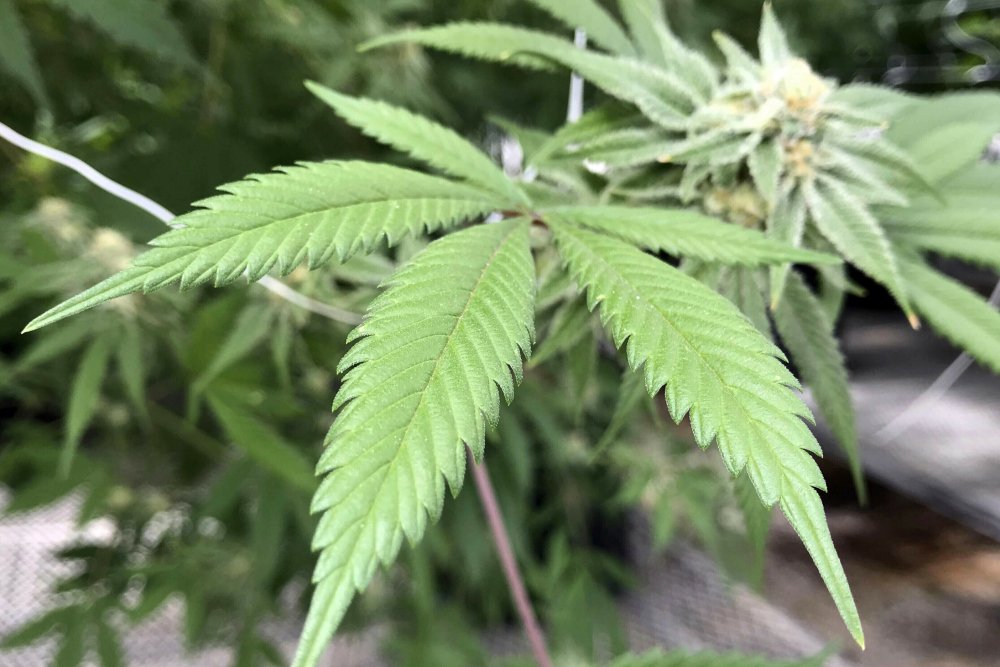
Lawmakers will hold hearings with international experts before drafting legislation.
Business
Local, state and national business news from the Kennebec Journal and Morning Sentinel.

Posted inBusiness, Maine Cannabis Report, Nation & World
Thailand makes cannabis legal, but smoking discouraged
With an ideal growing climate, the country sees economic benefits for farmers. It’s the first nation in Asia to decriminalize the drug.
advertisement

Posted inBusiness, Nation & World, Uncategorized
WTO holds big meeting to tackle vaccines, food shortages
GENEVA — The head of the World Trade Organization predicted a “bumpy and rocky” road as it opened its highest-level meeting in 4-1/2 years on Sunday, with issues like pandemic preparedness, food insecurity and overfishing of the world’s seas on the agenda. At a time when some question WTO’s relevance, Director-General Ngozi Okonjo-Iweala hopes the […]

Posted inBusiness, Maine
Scientists see long-term hope for Maine’s lobster fishery despite warming waters

Ongoing research suggests that Maine’s unique oceanographic features should help keep waters suitable for lobsters, and that continued conservation measures can keep the fishery resilient against future threats.

Posted inBusiness, Nation & World
WTO looks to reach trade deals with its fate on the line
Government ministers will gather for four days starting Sunday.

Posted inBusiness, Nation & World
Several factors converging to push gas prices higher
Analysts say there are no quick fixes; it’s a matter of supply and demand, and supply can’t be ramped up overnight.
Posted inBusiness, News
Central Maine business briefs: MRI Service at Franklin Memorial Hospital accredited
People & Places: Kennebec Savings Bank announces new board member Alison Lorenz
Posted inBusiness, Food & Dining, Maine
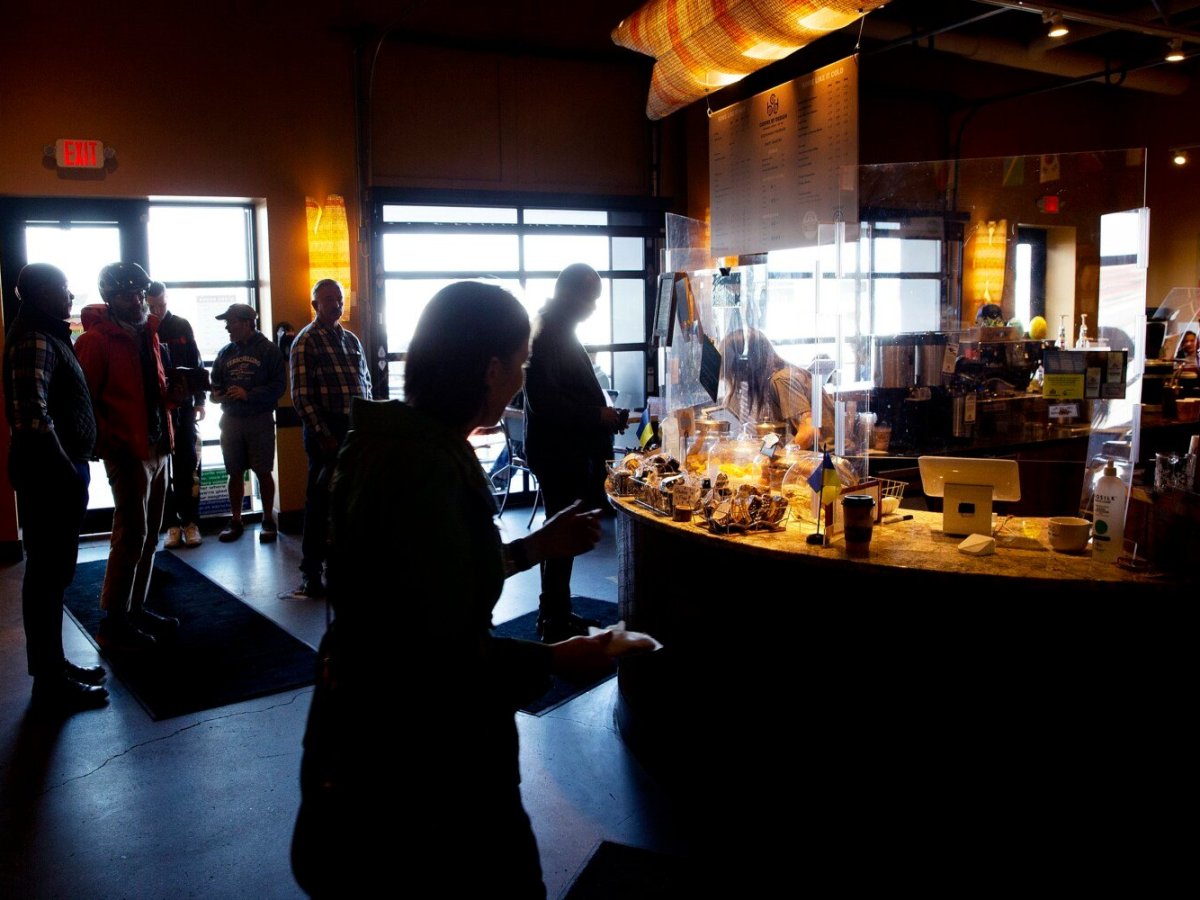
For here or to go? Coffee shops adjust to customers’ changing habits

While some coffee drinkers are still keeping their distance by ordering online and getting beans delivered, others have started using coffee shops as their base for remote work.

Posted inBusiness, Nation & World
Stocks dive to another losing week as inflation worsens
One of the fears among investors is that food and fuel costs may keep surging, regardless of how aggressively the Fed moves.

Posted inBusiness, Nation & World
Dutch government angers farmers with tough emission goals
The ruling coalition earmarked an extra $25.6 billion to finance changes that will likely make many farmers drastically reduce their number of livestock or to get rid of them altogether.