


Former aid workers, whose careers took them around the globe, are carving out new opportunities across the state.
maine department of environmental protection

Posted inBusiness, Maine, News
Maine renews attempt to expand state landfill

Despite opposition from the Penobscot Nation, state environmental regulators have issued a new ruling allowing expansion of the Juniper Ridge Landfill.
advertisement

Posted inBusiness, Maine, New England, News
NECEC power line to begin commercial operations Friday

The 145-mile line, which became a political flashpoint, is set to bring electricity from Canada to the New England grid via northwestern Maine.

Posted inBusiness, Food & Dining, Maine, News
Maine’s PFAS ban expands to consumer items on Jan. 1
Under the updated law, many common household items like cookware, cosmetics and children’s toys must be free of harmful forever chemicals.

Posted inMaine, News
Maine hopes ‘citizen scientists’ will take lead for lake health

A new scorecard for waterbody health rates nearly 1,200 lakes and other waterbodies around the state. Officials hope residents will use it to guide action.
Posted inMaine, News
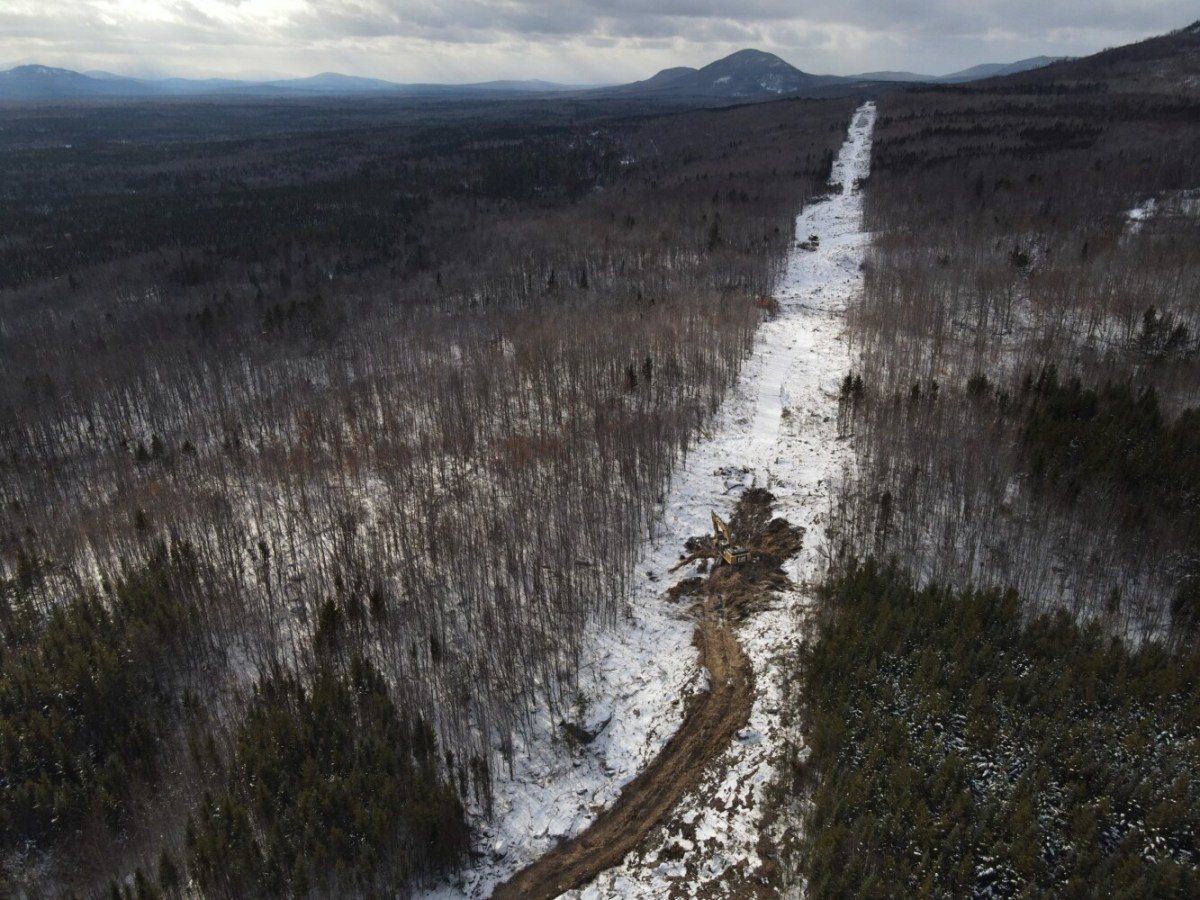
Maine regulators approve conservation plan, allowing completion of controversial NECEC line

The approval, which was condemned by environmental groups, opens the door for the completion of a 53-mile transmission line through rural northwestern Maine.

Posted inBusiness, Community, Food & Dining, Maine, News
Rusty Lantern store, gas station proposed for Waterville’s Main Street

Three buildings at 220, 222 and 224 Main St. would have to be demolished to make way for the development.

Posted inMaine, News
Maine’s space industry, facing pushback on land, looks to the sea
The Maine Space Corporation, which lawmakers recently voted to make a nonprofit, is looking into sea-based launch platforms.
Posted inBusiness, Maine, News
Manufacturers seek product exemptions from Maine PFAS ban
Makers of products like nonstick cookware cite health, safety and functioning of society as reasons they should be able to continue selling products made with forever chemicals.

Posted inHealth, Maine, News
Air quality alert extended for parts of Maine as Canadian wildfires bring hazy skies

The Department of Environmental Protection said the air quality Monday was ‘moderate,’ a day after it was deemed ‘unhealthy’ in many parts of the state.