


Friends of Wilson Lake will gather July 19 in Wilton with updates on water quality, boat inspections, loon monitoring and watershed work.
water pollution

Posted inBusiness, Maine, News
What’s causing unsafe bacteria levels at Maine beaches?

Recent swim advisories highlight how old infrastructure and heavy summer downpours combine to trap bacteria along the coast.
advertisement

Posted inBusiness, Maine, News
The $85 test that could change Maine’s PFAS fight
While the CDC finds the kits provide ‘actionable’ information about water quality, they cannot be used to unlock state-funded filtration systems.

Posted inCommunity, News
Skowhegan charts new 10-year plan for improving Whitten Brook water quality

Town officials are just beginning to map out next steps and seek funding for projects to aid the stream, which provides brook trout habitat in a developed area.

Posted inBusiness, Fact Brief, Health, Maine, News
Can data centers contaminate wells and other water sources? | Fact brief
Maine lawmakers have passed a bill that would temporarily bar many new data centers; Gov. Janet Mills has not yet signed it.
Posted inMaine
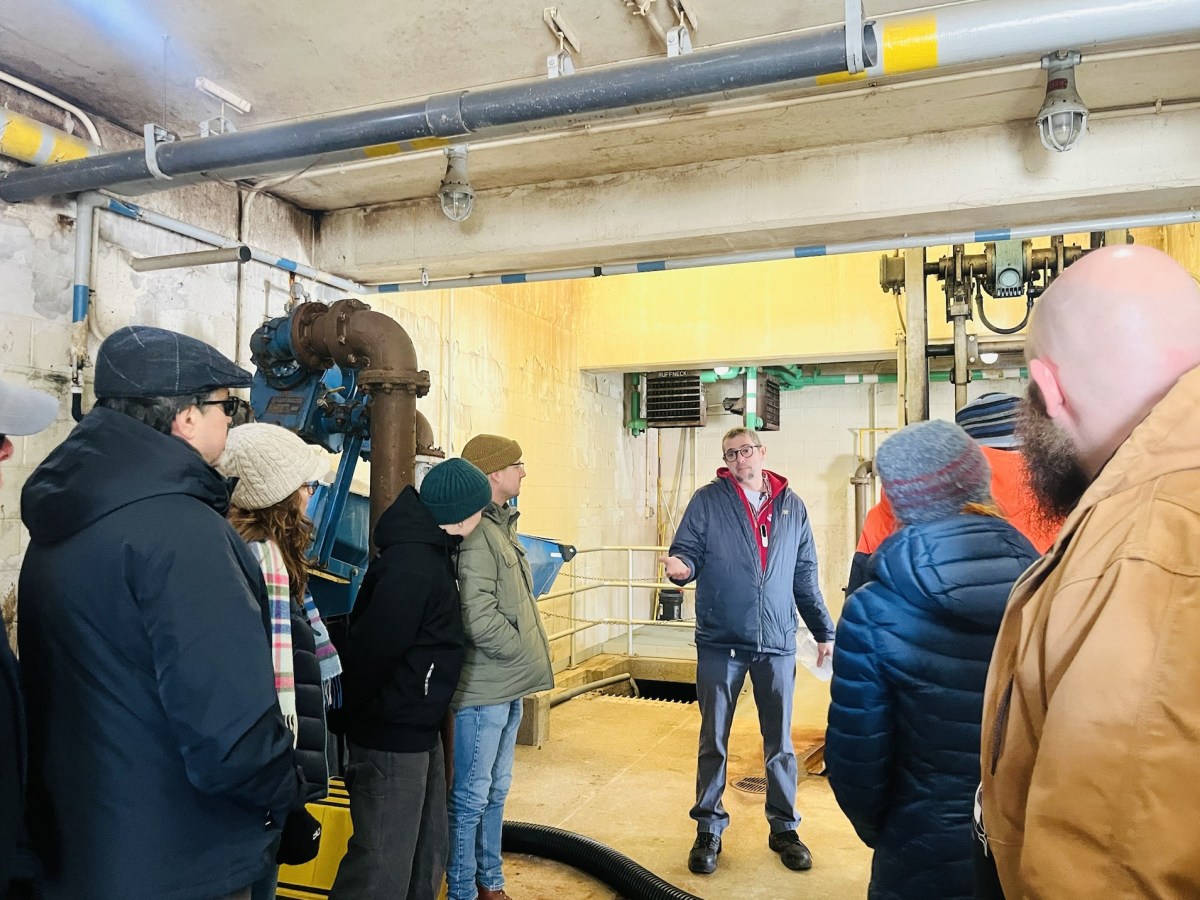
Valentine’s Day at the Bath wastewater treatment plant: Powerful smells and the power of love

Three tours of the city’s Water Pollution Treatment Plant taught couples about Maine wastewater systems on Saturday. Romantic, right?
Posted inBusiness, Maine, News
Bill proposes PFAS help for Maine’s private well owners
The legislation would pay to test private wells near a known source of forever chemical pollution, such as landfills or firefighting foam spill sites.

Posted inMaine, News
Skowhegan’s pollution control superintendent has eye on the future
After years of investing millions to improve the municipal sewer system, the town is looking at the next round of upgrades at its treatment plant.
Posted inFact Brief, Health, Maine, News
Are ‘forever chemicals’ present in all U.S. water sources? | Fact brief
Also known as PFAS, the chemicals have been linked to decreased fertility, developmental delays and increased risk of cancer.

Posted inBusiness, Maine, News
Clean drinking water might be coming to Passamaquoddy reservation. There’s still trust to be built

Residents of Sipayik have endured discolored water and dangerous contaminants for decades.