

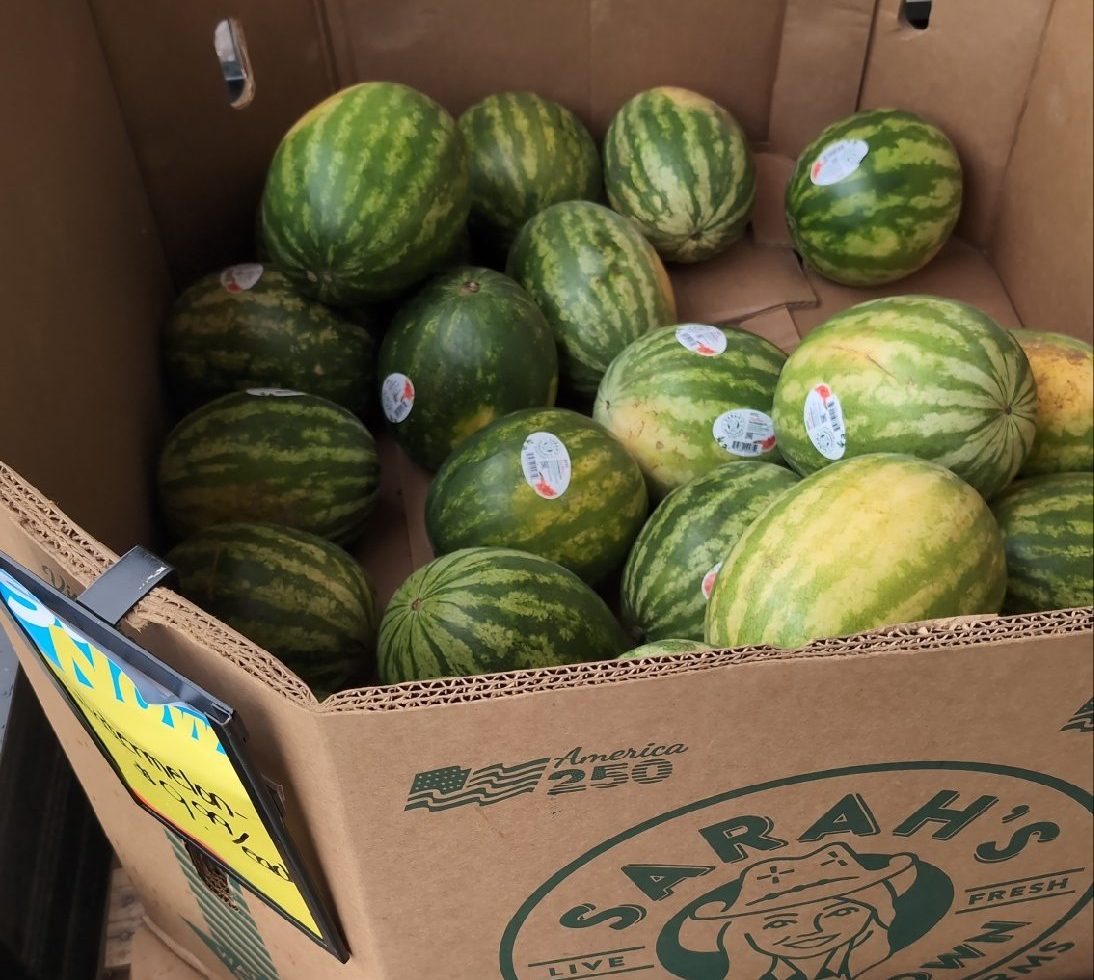
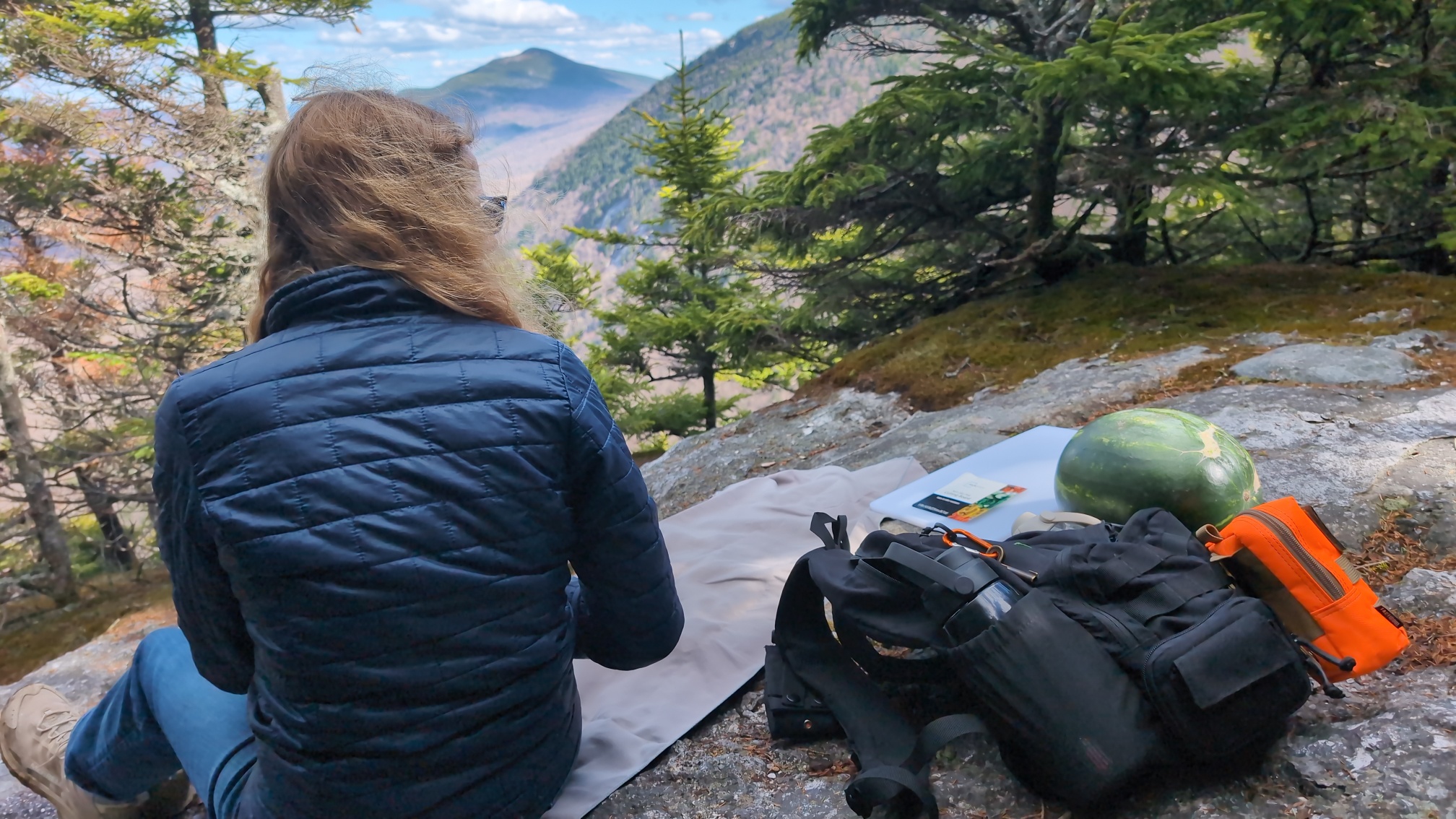
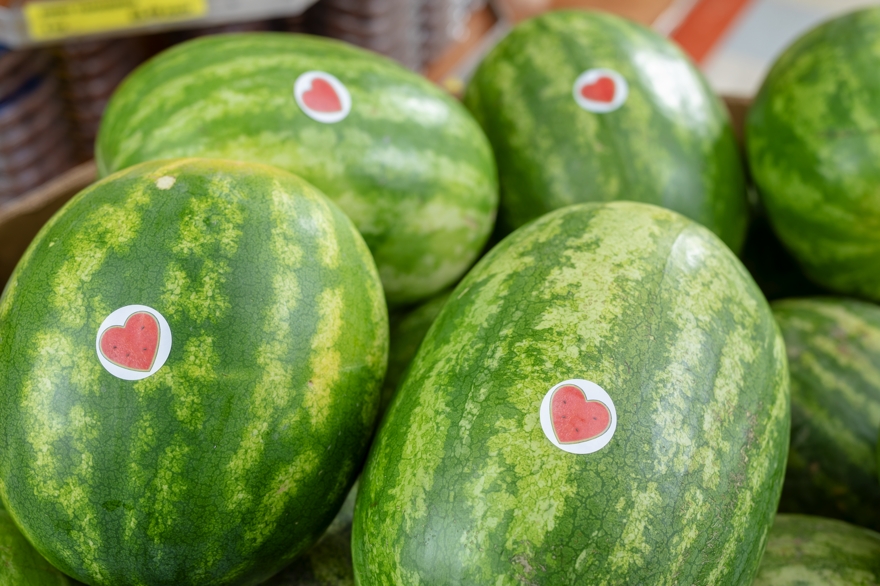
From grocery stores in Farmington and Jay to coolers at campsites and trailheads across western Maine, watermelon season is arriving with warmer weather, early summer gatherings and renewed interest in selecting sweeter, fresher melons as the region heads toward peak summer.
Florida-grown watermelons have started appearing once again at Hannaford and Walmart locations across the state, marking the beginning of the domestic watermelon season even as much of inland Maine is only beginning to warm.
While growers in Florida are already harvesting ripe fruit for shipment north, many Maine growers are just beginning to start seeds indoors or prepare fields for transplanting later this spring. The contrast highlights both the seasonal gap between southern production and northern cultivation, and the growing interest in smaller “icebox” and seedless watermelons better suited to cooler climates and shorter growing seasons.
For many growers and watermelon enthusiasts, the first Florida melons of the year signal the unofficial beginning of summer preparation season. Seeds are started indoors, black plastic and row covers begin appearing in gardens, and growers begin watching long-range forecasts while hoping for enough heat to carry the crop through harvest.
The Jay and Farmington area falls within USDA Hardiness Zone 4b to 5a, generally providing about 100 to 120 frost-free days each year. That limited window creates challenges for a crop strongly associated with sustained summer heat.
“Because Western Maine is going to have a cooler climate and shorter season, all of those aspects of why melons can be a little difficult to grow in Maine are going to be exacerbated,” said Caleb Goossen, crop and conservation specialist with the Maine Organic Farmers and Gardeners Association. “Faster maturing varieties, or varieties known to do well in cooler climates are going to still be the best choices for that region, but also, for most of Maine.”
Several short-season varieties have gained attention among Maine growers and hobby gardeners, including Blacktail Mountain, Sugar Baby, Golden Midget, Little Darling, Early Moonbeam, Cream of Saskatchewan and Yellow Baby. These smaller “icebox” types, historically sized to fit inside early household iceboxes and refrigerators, generally mature more quickly than larger watermelon types, improving the chances of harvest before colder fall weather arrives.
Sugar Baby, introduced in the 1950s, became one of the best-known icebox watermelon varieties in the United States and helped popularize smaller melons suited to household refrigerators and shorter growing seasons.
In western Maine, growers often begin starting watermelon seeds indoors from late April through mid-May, typically about three to four weeks before transplanting. Outdoor planting generally begins in early to mid-June after frost danger passes and soil temperatures remain consistently warm.
Growers have increasingly focused on seedless varieties as consumer preferences have shifted toward smaller and more convenient fruit.
“We grow seedless varieties, Red Opal or Crackerjack,” said Tom Stevenson of Stevenson Strawberry Farm in Wayne. “We start them in the greenhouse and transplant them in the field through black plastic. They are very sensitive to cold and frost.”
Stevenson said timing remains critical even with season-extension techniques.
“If we can get them transplanted early June we can start picking mid- to late-August,” he said. “Generally year to year the yields are good, but it can be hard to sell watermelon in the fall when the weather has cooled.”
Researchers at the University of Maine Cooperative Extension say creating warm early-season growing conditions is essential.
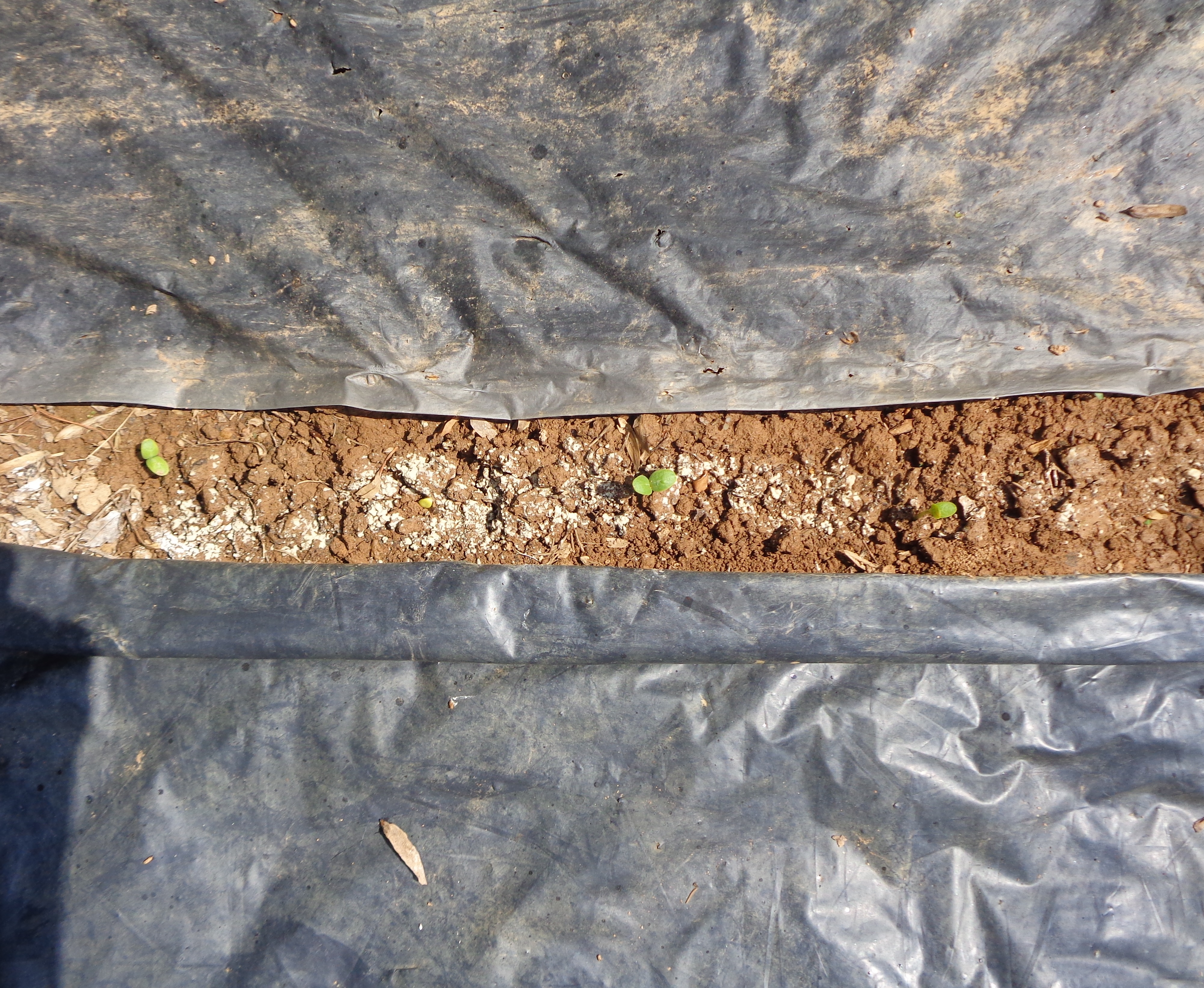
“Watermelons thrive in warm conditions and do best when started as transplants,” said Nicholas Rowley, sustainable agriculture professional with UMaine Cooperative Extension. “Planting in raised beds with black plastic mulch helps warm the soil, which is important since melons do not tolerate soil temperatures below 55°F.”
Rowley also emphasized the importance of row covers during early growth.
“Because they are sensitive to cool conditions, using row cover early in the season can provide valuable protection,” Rowley said. “This row cover needs to be removed when flowers form to encourage pollination.”
Goossen said soil temperature can sometimes matter more than the choice between transplanting and direct seeding.
“Melons will not do well with cold soil, and seeding or transplanting them into soil that isn’t warm enough can occasionally stunt their growth for a surprisingly long time,” he said.
He described row covers as one of the most consistently useful tools available to Maine growers.
“Row covers are very helpful for raising soil temperature, protecting plants from cooler weather and particularly from striped cucumber beetles,” Goossen said.
While commercial growers focus on consistency and market demand, hobby growers have also begun experimenting with unusual traits and ultrasmall watermelon lines.
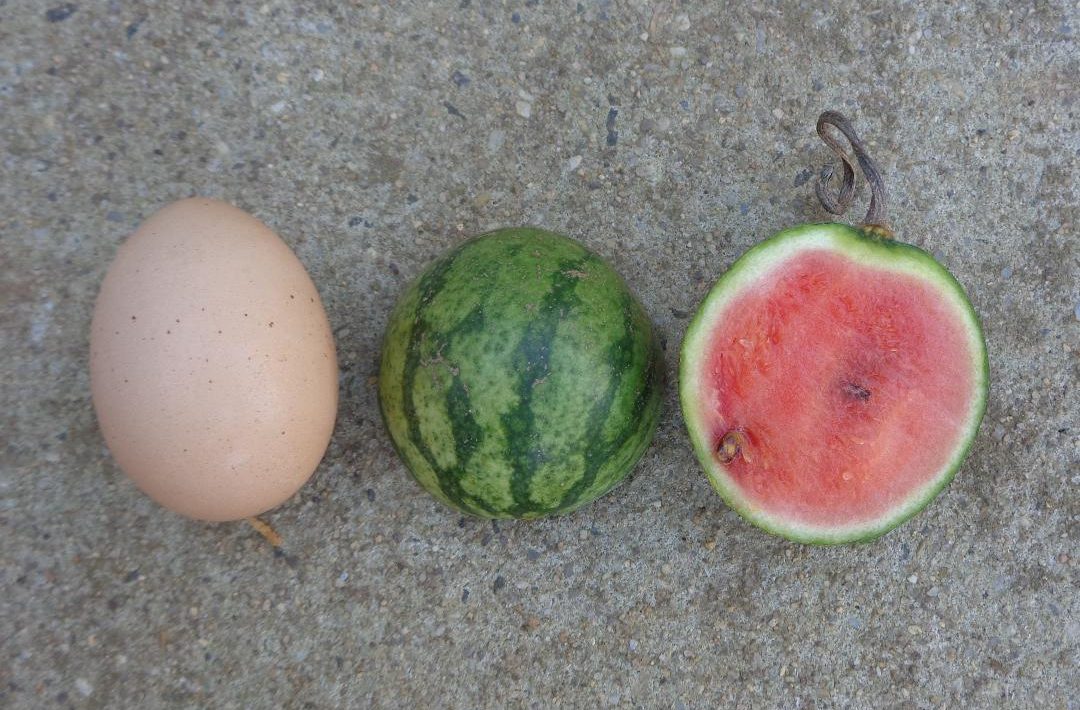
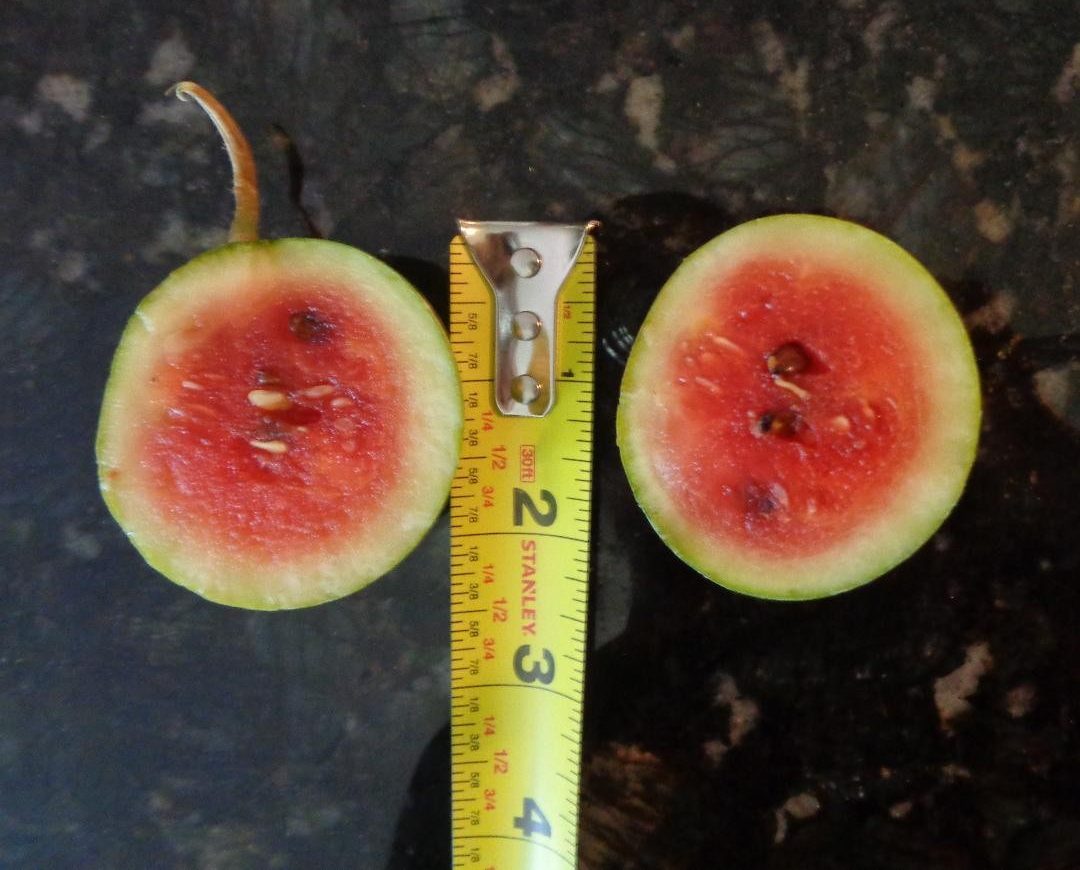
Delaney Raptis, a backyard grower in Falls Church, Virginia, said she has spent several years developing very small watermelon types through outdoor selection work.
“The small size trait has been mostly stable for four generations,” Raptis said.
Raptis said her growing methods focus heavily on soil warming.
“To get an early start on watermelons, we plant the seeds directly into the ground in spaces that are surrounded by large areas covered with black ground cover,” she said. “Ground covered with black fabric or black plastic attracts sun heat and warms up the soil.”
She said the plants are grown outdoors and currently produce only one generation per year.
“We are currently working to start official trials with professional growers, which will help determine whether these watermelons are suitable for growing in greenhouses or colder climates,” Raptis said.
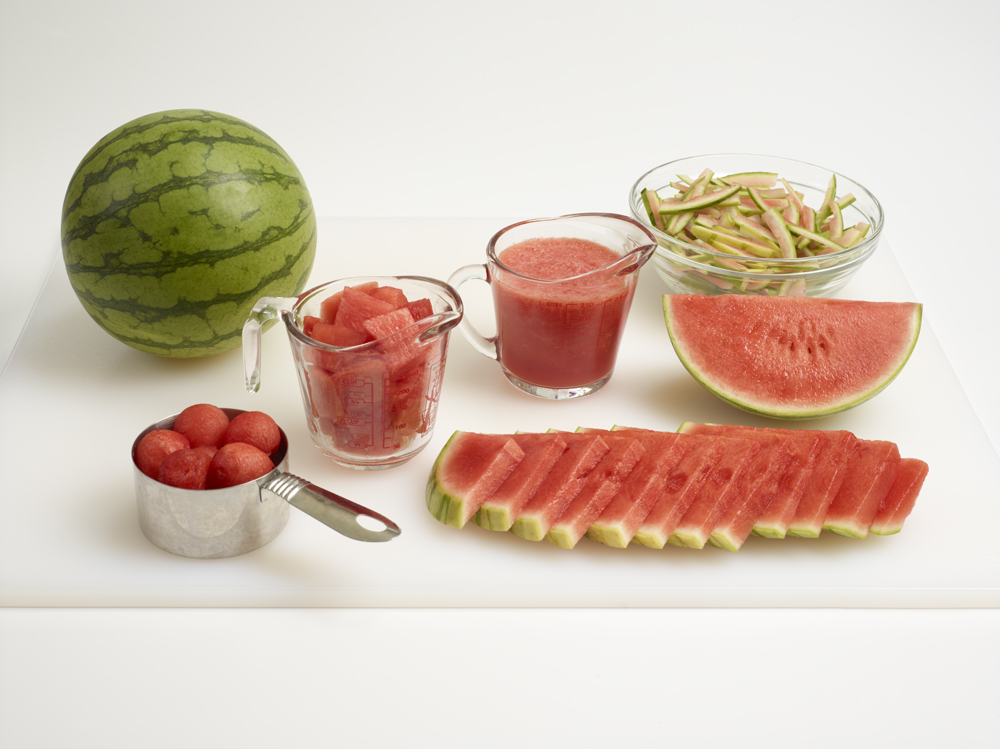
The National Watermelon Promotion Board says demand for smaller melons has continued growing nationally.
“We use ‘mini’ and ‘personal watermelon’ to specify this type when we talk to consumers, media, and educators,” said Stephanie Barlow, senior director of communications for the National Watermelon Promotion Board.
The organization notes that more than 1,200 watermelon varieties are grown globally across 96 countries, reflecting the fruit’s broad agricultural and cultural reach.
Watermelon festivals and seasonal celebrations remain especially common in southern growing states where harvest season begins months earlier than in Maine. Florida recently hosted several watermelon-themed events, including a watermelon festival at the Florida Children’s Museum in Lakeland celebrating the state’s watermelon-growing traditions.
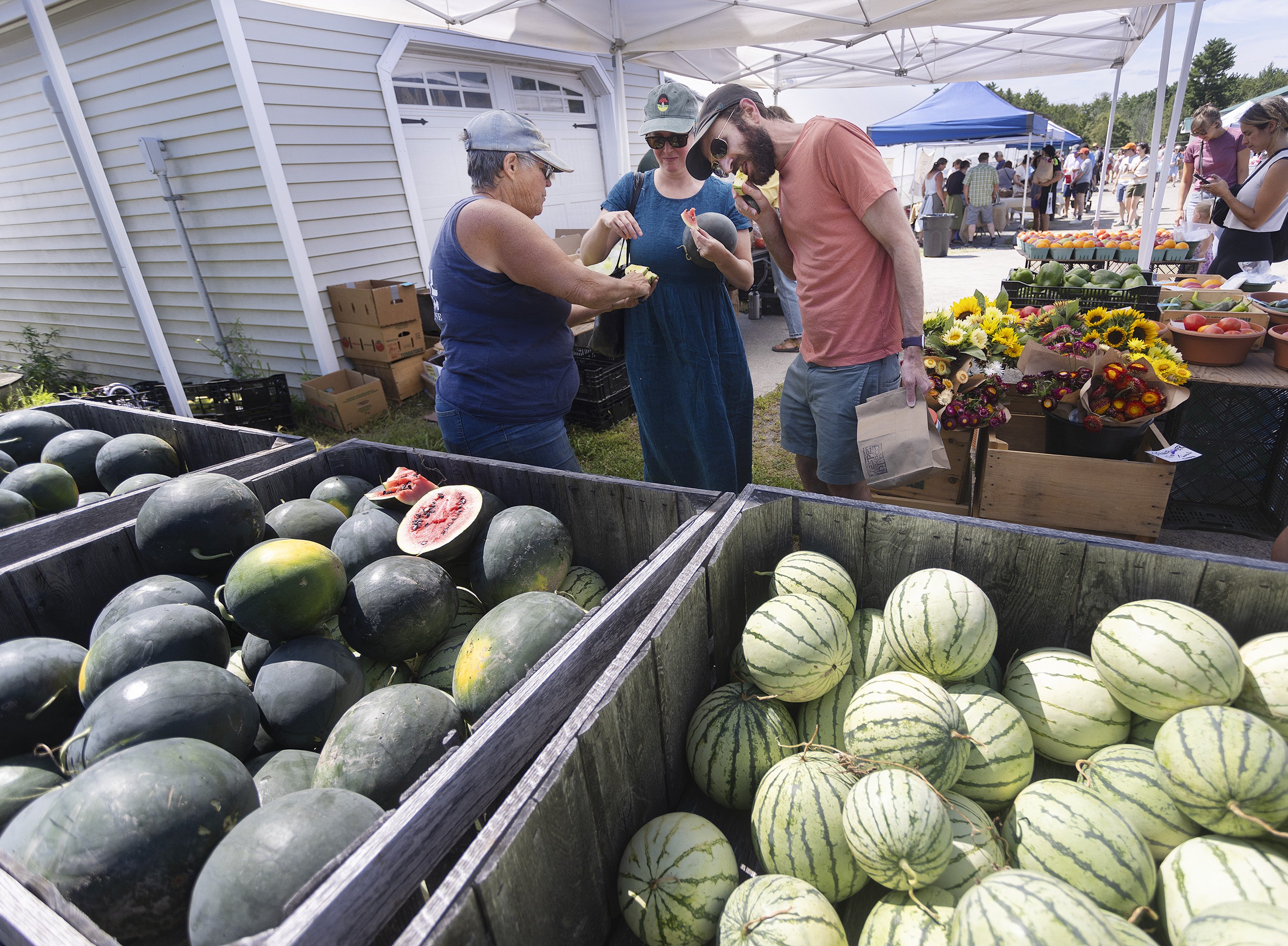
Watermelon culture has also extended into New England farm events. Locally grown watermelons were featured at the Tomato Festival at Snell Family Farm in Buxton in 2025, reflecting growing interest in watermelon production even in Maine’s shorter growing season. National Watermelon Day is observed annually on Aug. 3.
Consumers selecting watermelons at grocery stores often look for a creamy yellow field spot, indicating where the melon rested on the ground while ripening. A heavier feel relative to size can also suggest higher water content, while a more uniform shape is often preferred for consistent ripening. Many shoppers also look for a duller rind rather than a highly glossy exterior, though growers note that no single external characteristic guarantees sweetness.
For growers in Maine, however, simply bringing a watermelon to maturity can require careful timing, favorable weather and sustained summer warmth.
Even while spring runoff still poured through the mountains of western Maine, the first Florida-grown watermelons arriving in local stores served as a reminder that another growing season has begun. For northern growers trying to push a traditionally southern crop through a short and unpredictable summer, the season starts now.

We invite you to add your comments. We encourage a thoughtful exchange of ideas and information on this website. By joining the conversation, you are agreeing to our commenting policy and terms of use. More information is found on our FAQs. You can update your screen name on the member's center.
Comments are managed by our staff during regular business hours Monday through Friday as well as limited hours on Saturday and Sunday. Comments held for moderation outside of those hours may take longer to approve.
Join the Conversation
Please sign into your CentralMaine.com account to participate in conversations below. If you do not have an account, you can subscribe here. Questions? Please see our FAQs.