
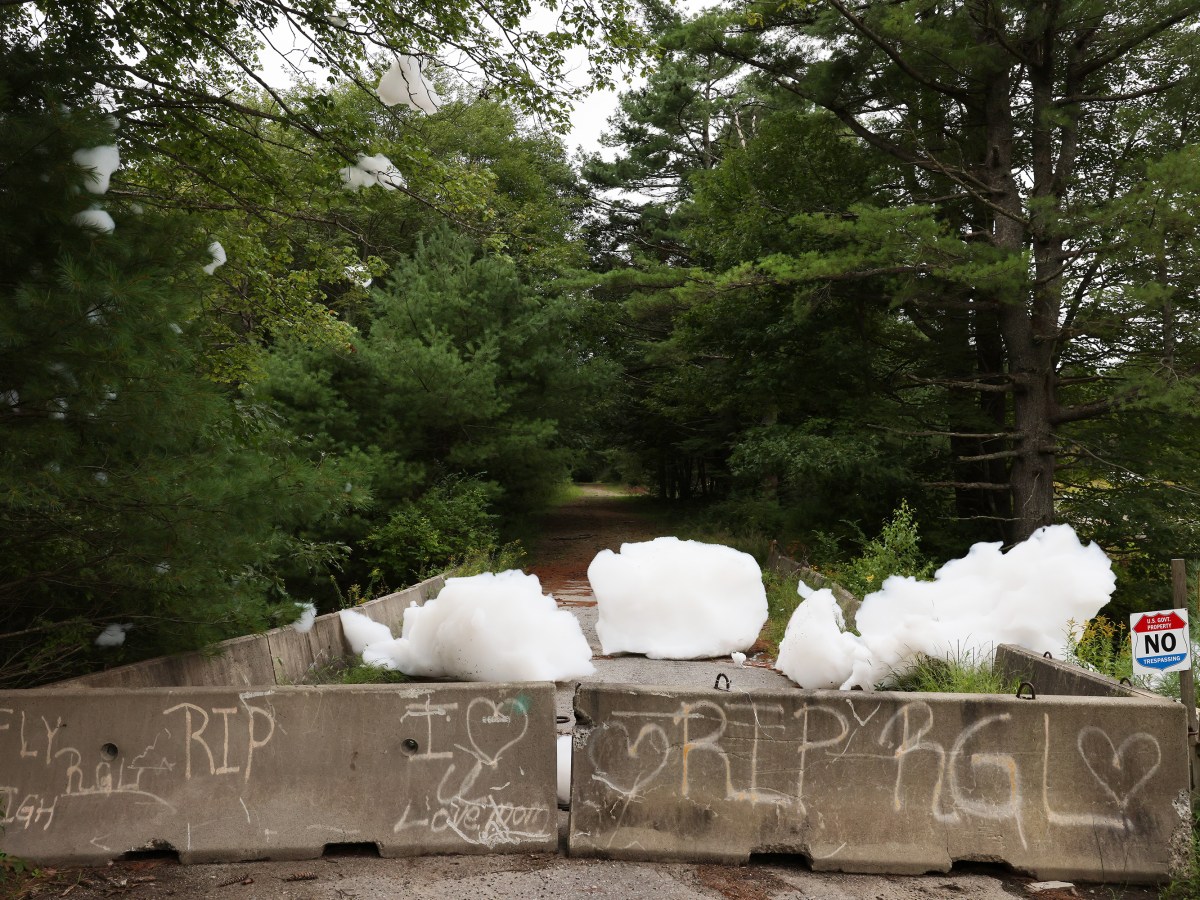

The high concentration and range of toxic forever chemicals in last week’s spill raises health and environmental concerns, and is putting pressure on the state to expand testing and protect public health.
environment
Posted inMaine
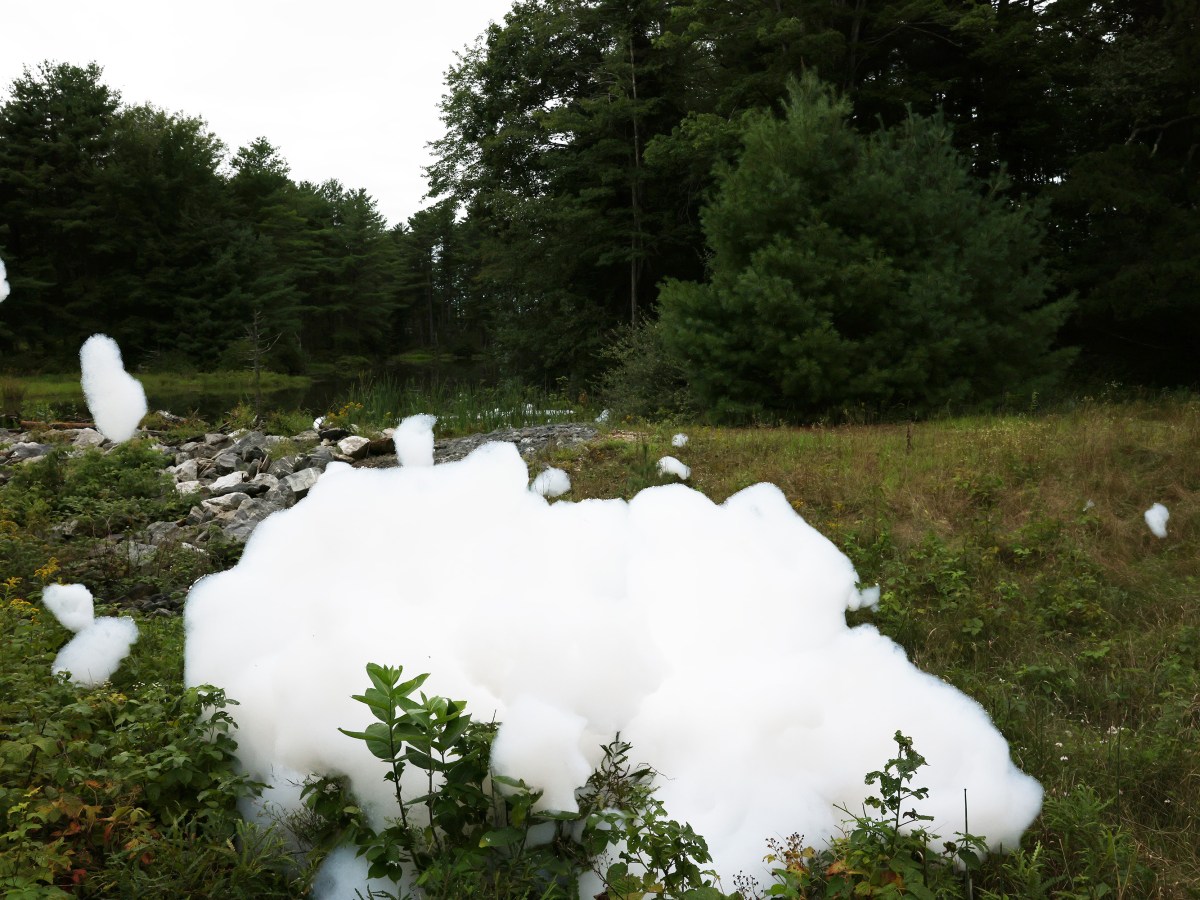
First tests reveal high PFAS levels in spilled foam, ponds at Brunswick Landing
Test results and cleanup and remediation updates will be shared with the public at a meeting Thursday night.
advertisement

Posted inBusiness, Health, Maine
Maine hospitals launch green initiatives to offset high energy use

The changes at Northern Light Health and MaineHealth include discontinuing certain anesthetic gases and pivoting to renewable heating sources.

Posted inBusiness, Food & Dining
Why hotter summers are causing headaches for Maine chocolatiers

Climate change is forcing local chocolate shops to adapt their shipping practices or risk their jewel-like bonbons arriving at destinations as ‘chocolate soup packages.’
Posted inHealth, Maine, News
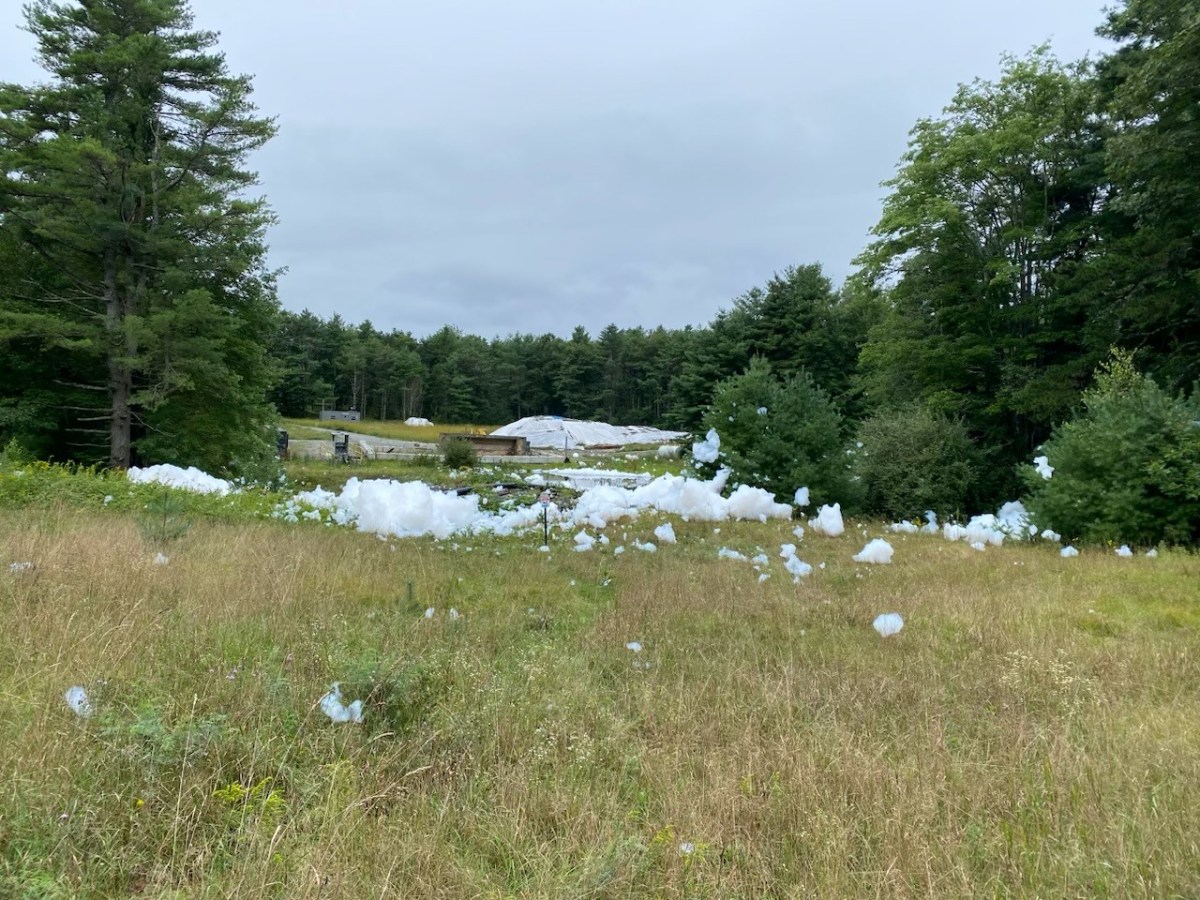
Brunswick Landing is Maine’s biggest firefighting foam spill in 30 years
Maine has tried before to find out how much of this toxic substance is out there, or if it’s safely stored, but efforts have been largely ignored. Officials say they need lawmakers’ approval before they can make changes.
Posted inMaine, News
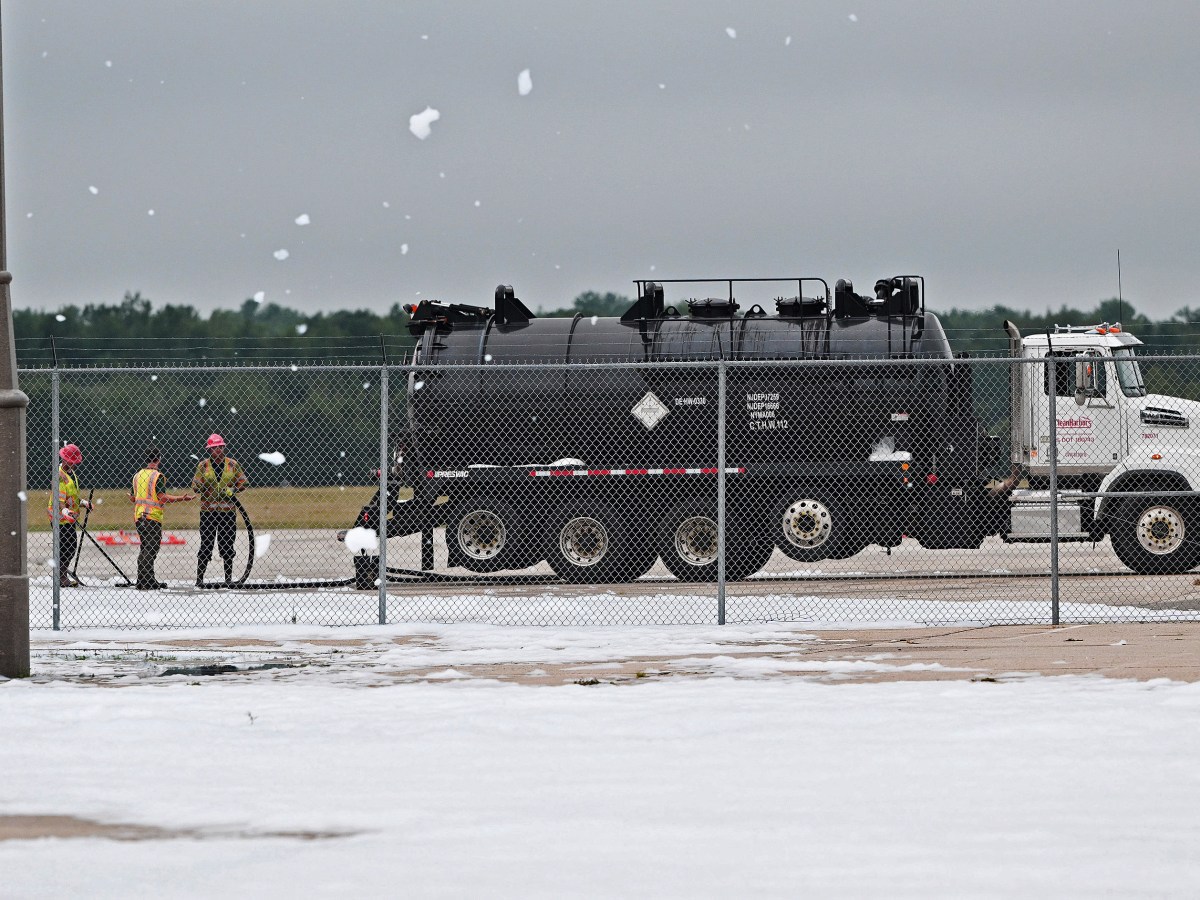
Foam spill spews dangerous forever chemicals at Brunswick airport

Officials say a fire suppression system malfunctioned, discharging 1,600 gallons of firefighting foam concentrate – 4 to 5 feet deep in some places – at the former Naval Air Station.

Posted inFood & Dining, Maine Gardener
If rising sea levels threaten your garden, we’ve a few ideas on what to plant
Some plants are far more resistant to salt water than others.
Posted inTimes Record
$34 million Route 1 improvements in Woolwich near end

The new Pleasant Cove Bridge on Route 1 touts itself as a project for environmentalists and transportation officials.

Posted inMaine, News
Fireflies are fading from Maine’s night skies
Scientists agree that some species of the beloved insect appear to be in decline, most likely due to habitat loss, pesticide use, light pollution and climate change. But they lack the data to know the extent of the threat.

Posted inMaine, News
Assessing Acadia National Park’s future climate: Warm or hot?
A new report from the National Park Service directs Acadia to plan for two different climate futures: warm and dry, or hot and sticky. Only one thing is certain, NPS climate scientists say: The park of the future will look very different.