
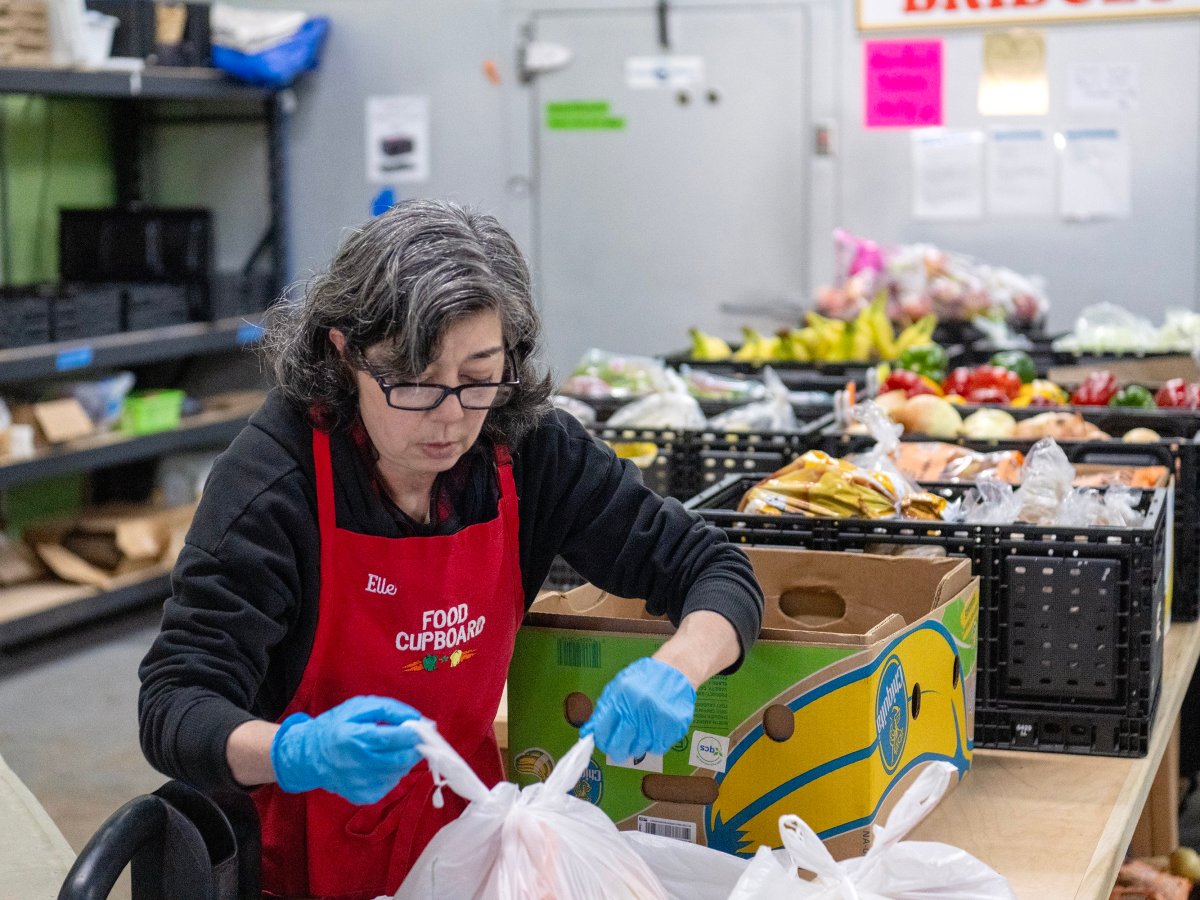

Nearly 170,000 people across the state receive the monthly food assistance benefits.
SNAP
Posted inCommunity, Local & State, Schools and Education
Northern Franklin County prepares to feed those facing a potential loss of SNAP benefits

From a newly built food pantry at Mt. Abram High School in Salem Township to food drives, individuals and organizations are responding to help their neighbors.
advertisement

Posted inLocal & State, Maine Crime, News, Politics
Maine Constitution requires state to provide SNAP, says Winthrop Democrat

Sen. Craig Hickman, an organic farmer, says the state ‘must act quickly’ to cover the anticipated loss of federal food assistance for 170,000 Mainers.

Posted inLocal & State, News, Politics
Angus King co-sponsoring bill to keep SNAP, WIC going during shutdown
The Maine independent is also joining Republican Sen. Susan Collins in supporting a similar piece of legislation that seeks to maintain funding food assistance in November.

Posted inHealth, Local & State, News, Politics
Maine Gov. Janet Mills releases $1.25 million to help food banks respond to SNAP losses
Mills also has not ruled out calling a special session of the Legislature so roughly 170,000 Mainers don’t lose federal food assistance.

Posted inBusiness, Food & Dining, Local & State, News
Here are some of the Maine restaurants, eateries and markets offering food assistance

A growing number of Maine businesses are offering free or discounted food to Mainers in need.
Posted inLocal & State, News
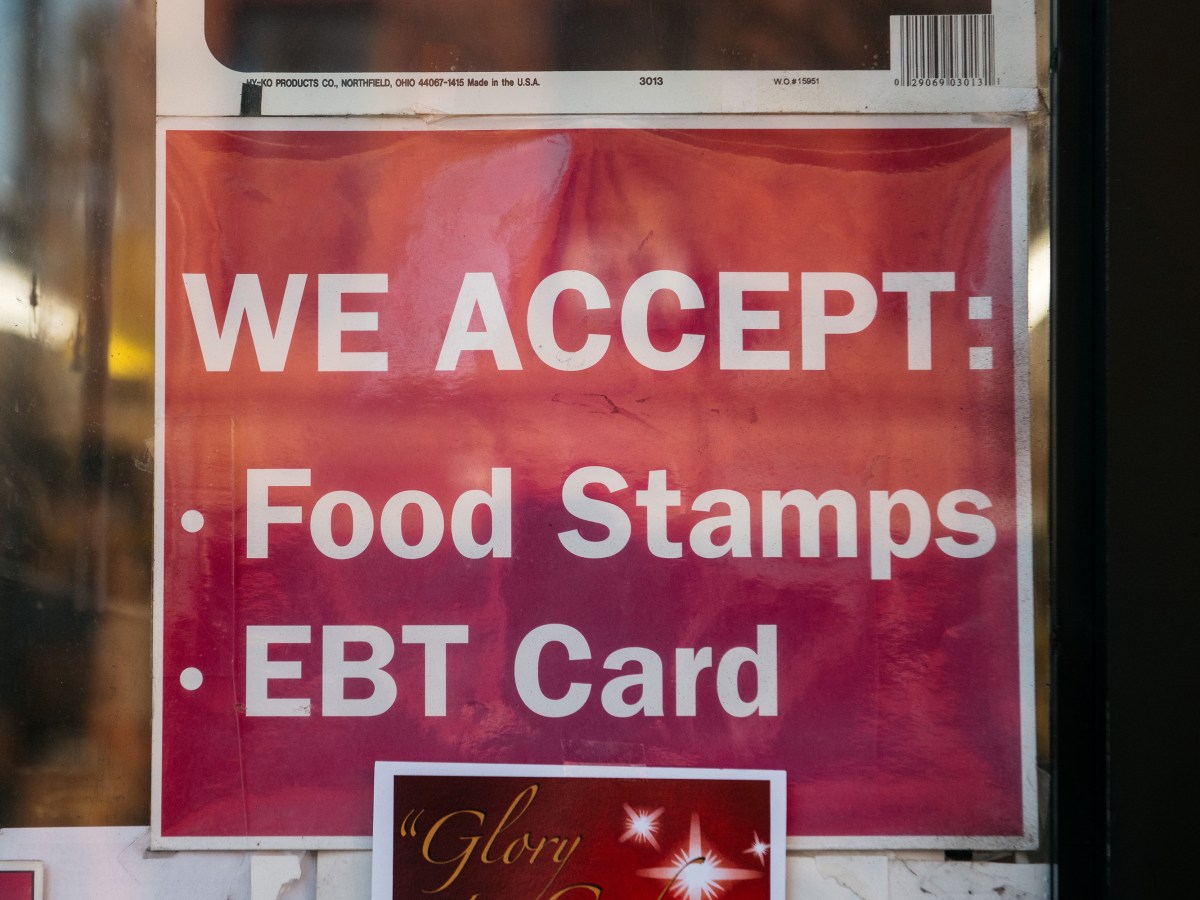
Maine joins 24 states suing Trump administration over expected lapse in SNAP benefits

The federal food assistance benefits are expected to be suspended starting Nov. 1 due to the ongoing federal government shutdown.
Posted inHealth, Local & State, News
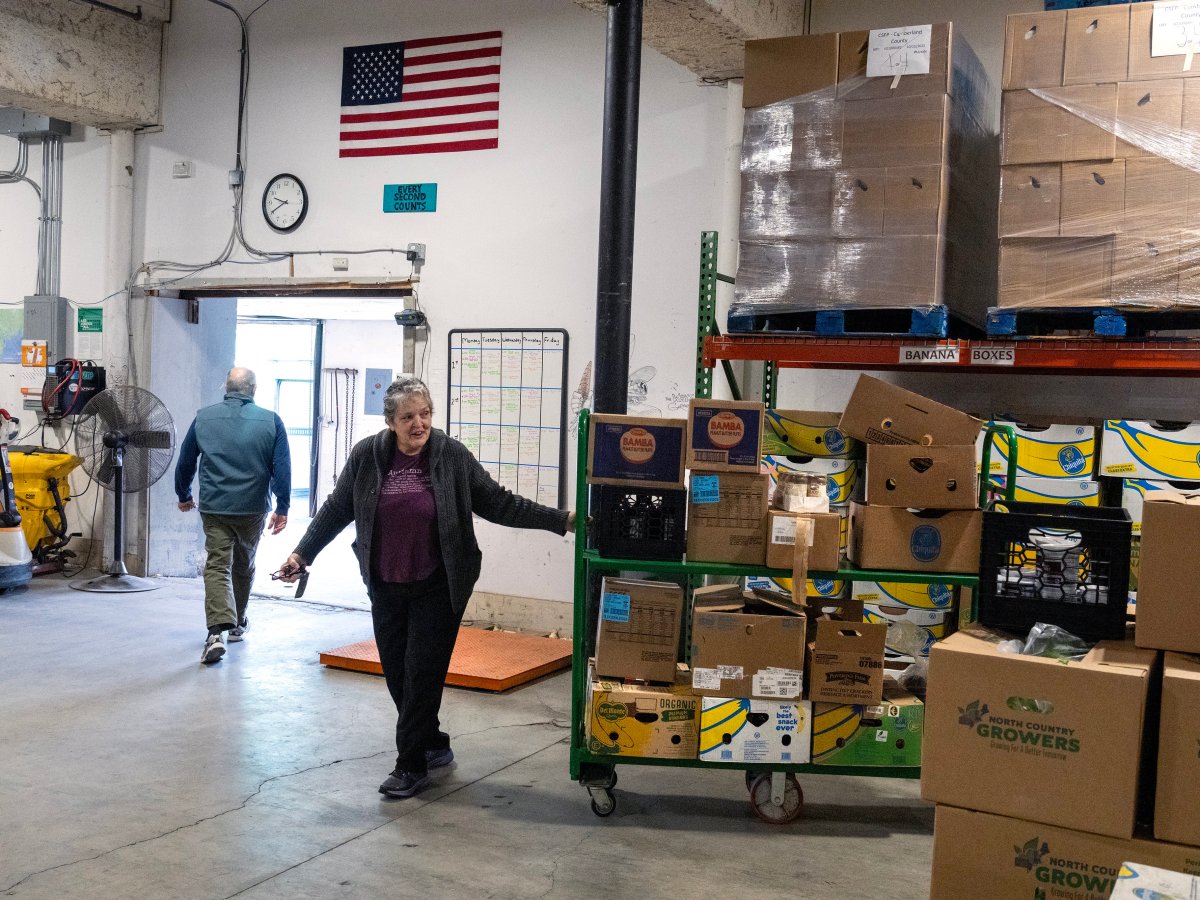
How Mainers are stepping up to help neighbors, food pantries ahead of SNAP funding lapse

Local organizations are trying to bridge the gap for the nearly 170,000 Maine residents who won’t get food stamps in November — and they’re already seeing a swell in much-needed donations and volunteers.

Posted inHealth, Local & State, News
170,000 Mainers won’t get November SNAP benefits. Blame the shutdown.


About 12.5% of Maine’s residents use the assistance program previously known as food stamps, which is already facing historic cuts included in the Republican budget bill passed over the summer.

Posted inLocal & State, News
For many older Mainers, covering costs in retirement is a major challenge
Experts say there is a clear divide between people who can afford to live comfortably in retirement — and those whose tight budgets make it difficult to pay for basic needs like food and housing.