


SKOWHEGAN — Winding between properties and beneath roads in one Skowhegan neighborhood is a small urban stream that has long suffered from poor water quality.
Whitten Brook is more than just what may appear to be a series of ditches and culverts: It’s thought to offer habitat for wild brook trout along with various other wildlife known to thrive in riparian zones.
A new, 10-year Watershed-Based Management Plan, completed earlier this year, outlines possible next steps for restoring the brook, updating a previous plan crafted more than a decade ago.
The new roadmap came as a result of a two-year, grant-funded effort led by the Skowhegan Conservation Commission and its contracted environmental consultant, Ecological Instincts of Manchester.
The plan outlines 56 projects, including upgrading to stormwater infrastructure and culverts, removing invasive plants, establishing regular water quality monitoring, conducting a fish survey and improving community outreach. It estimates a total cost of about $2 million over the next decade.
“The goal of this plan is to restore water quality and in-stream habitat in Whitten Brook over the next 10 years so that it supports a healthy and robust native brook trout fishery and attains Maine’s Class B water quality standards,” it says. “This includes reducing the volume of stormwater draining from watershed impervious surfaces and the concentration of pollutants in that stormwater.”
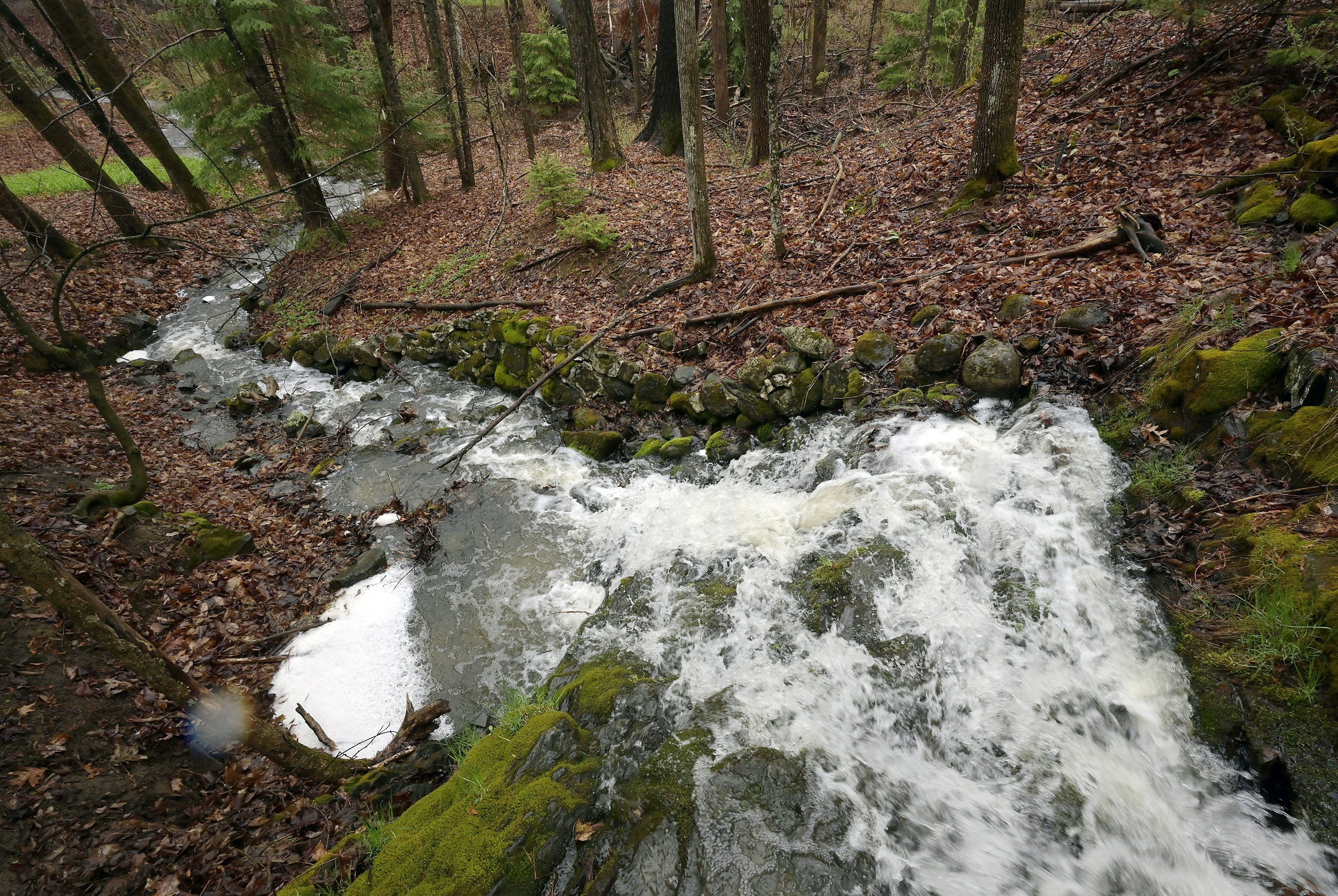
The 1.1-mile stream begins in a wooded area of conservation land west of Russell Road and north of Coburn Avenue. But most of it goes through developed areas, cutting through backyards and sneaking through concrete tunnels.
It crosses under Russell Road just north of Spring Street, where it meets a short, unnamed tributary and runs parallel to the road. Next, it goes under Spring Street, turns toward Madison Avenue, and winds back around to the west under Bennett Avenue and then Summer Street.
At its southern end, Whitten Brook flows under Pleasant Street and Elm Street and empties into the Kennebec River, about a quarter-mile west of the Skowhegan Free Public Library.
In all, the watershed totals about 300 acres, much of it residential and commercial areas near and along Madison Avenue, extending as far north as the Skowhegan State Fairgrounds.
Whitten Brook was once believed to be one of only a handful of urban streams in Maine to support brook trout. The recent report says the upper portion of the stream, north of Coburn Avenue, is known to local fishermen as a brook trout fishery. But it notes 2009 was the last time the Maine Department of Inland Fisheries and Wildlife officially documented the species in it.
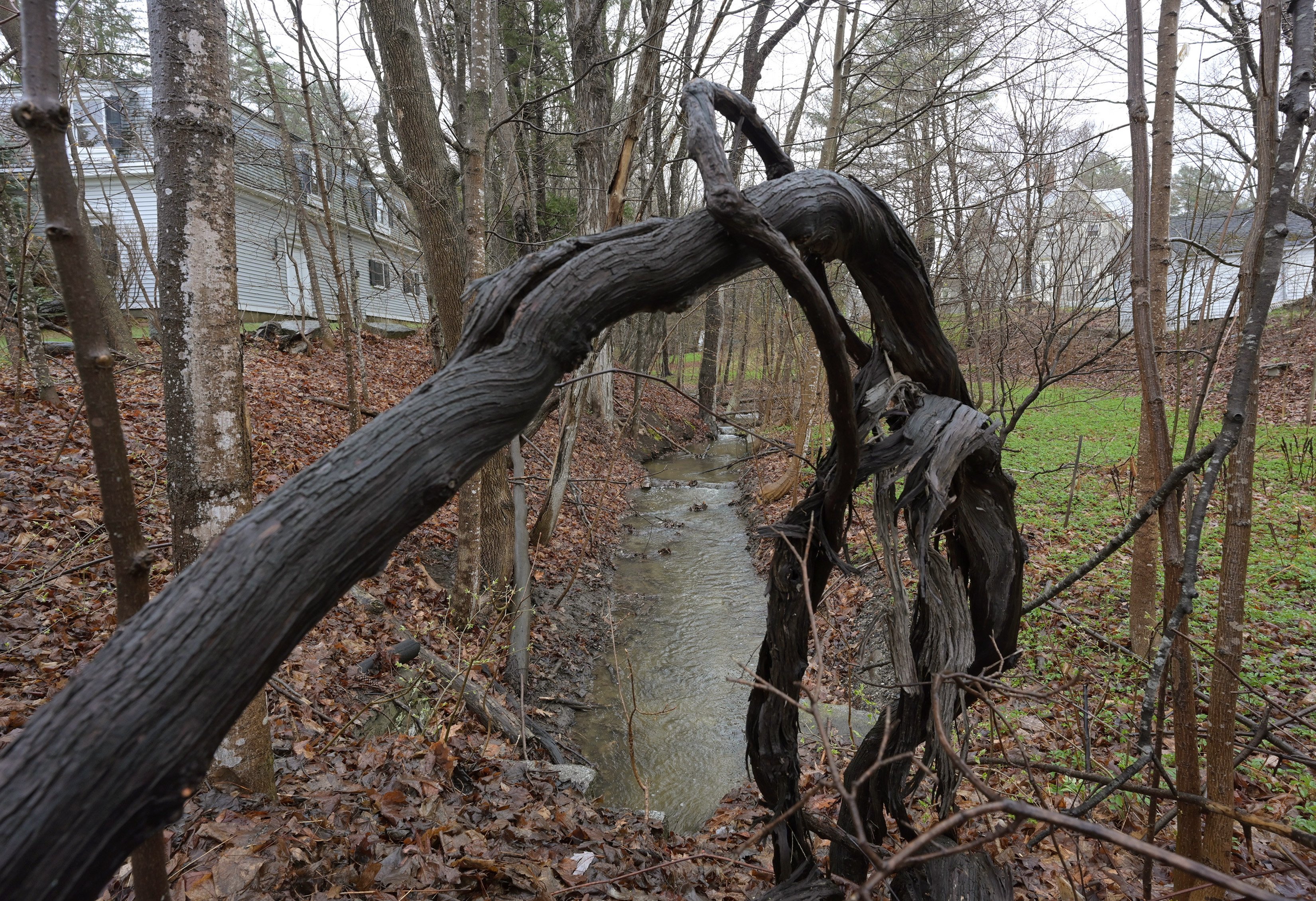
Stormwater runoff from the developed area surrounding Whitten Brook is the primary culprit for reduced water quality and other issues, like erosion and sedimentation, according to the master plan. Leaky sewer pipes may also be contributing to related impacts, such as elevated levels of the bacteria known as E. coli.
The problems date back to testing from 2002 to 2007. The pollution for nearly decades has placed Whitten Brook on the state’s list of 92 impaired streams, which means they do not meet water quality standards.
Recent efforts to improve the water quality included upgrades to the town’s combined sewer system. The Maine Department of Environmental Protection has also spent $200,000 since 2015 remediating a nearby gasoline contamination site believed to be affecting the brook, the plan says.
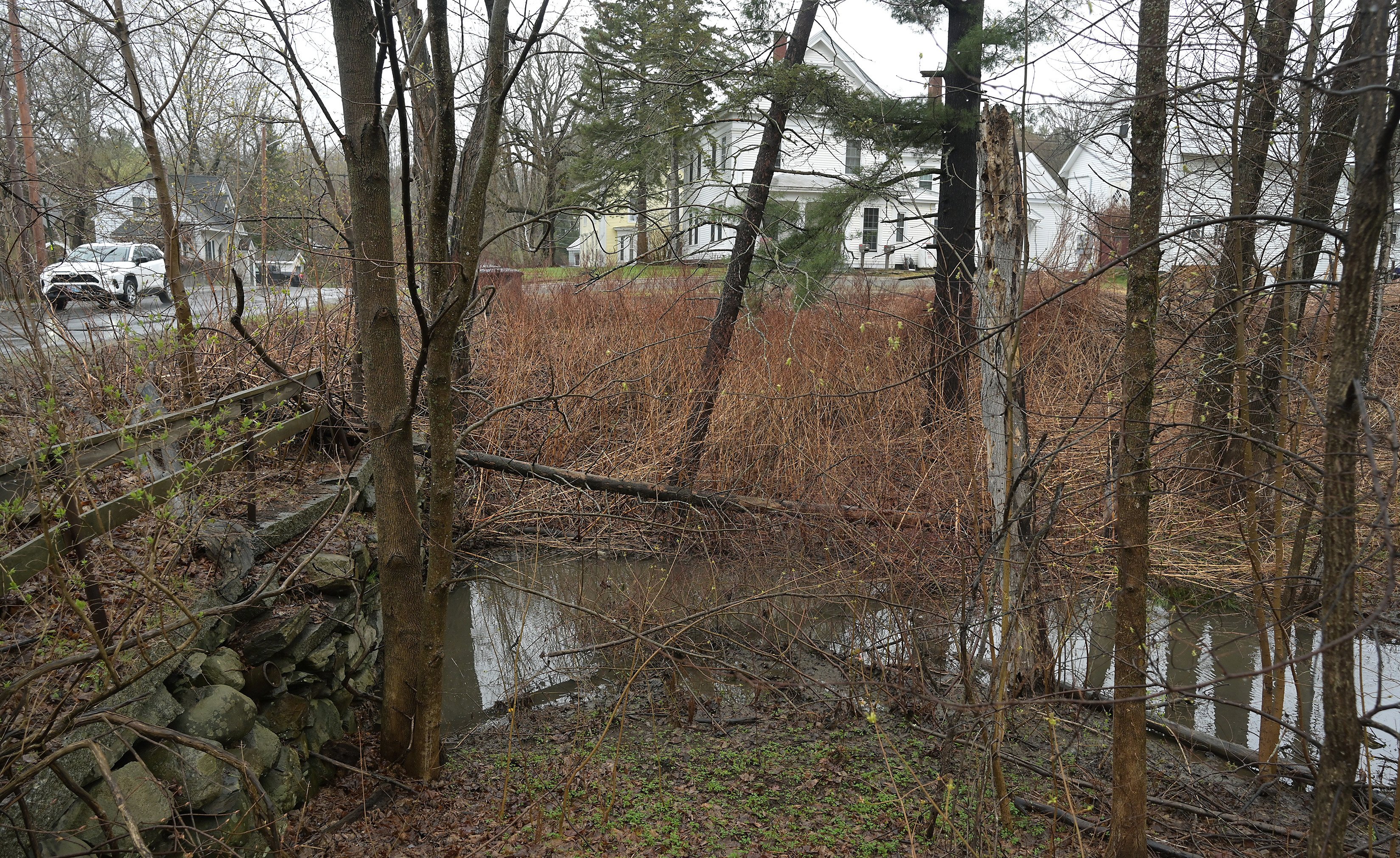
What happens next — and where the necessary funds will come from — remains to be determined.
Interim Town Manager Donnie Zaluski, also the superintendent of the town’s Water Pollution Control Plant, said he plans to start mapping out projects and improvements at the end of May, once he wraps up budget preparations before June’s annual town meeting.
“Whitten has gone to the top of the list for rehab now that the wastewater guy is in the town office,” Zaluski said via email.
The town plans to apply for grants for some projects, like a storm discharge retaining pond and culvert rehabilitation.
Development of the management plan was funded largely by a grant from the U.S. Environmental Protection Agency, administered through the Maine DEP, according to Bryan Belliveau, Skowhegan’s director of economic and community development.
The grant provided about $50,000, with the town matching about $19,000, mostly through staff time and other in-kind contributions, Belliveau said.
The town’s Conservation Commission, which has taken the lead on brook restoration efforts, is requesting voters at town meeting in June to approve raising $6,000 for capital reserves related to Whitten Brook and its other initiatives. Otherwise, there is no significant source of funds in place in the town budget for the work the plan sets out, Belliveau said.
“The plan is intended to serve as a roadmap to pursue future grant funding, which is typically how watershed projects like this are implemented over time,” Belliveau said.

We invite you to add your comments. We encourage a thoughtful exchange of ideas and information on this website. By joining the conversation, you are agreeing to our commenting policy and terms of use. More information is found on our FAQs. You can update your screen name on the member's center.
Comments are managed by our staff during regular business hours Monday through Friday as well as limited hours on Saturday and Sunday. Comments held for moderation outside of those hours may take longer to approve.
Join the Conversation
Please sign into your CentralMaine.com account to participate in conversations below. If you do not have an account, you can subscribe here. Questions? Please see our FAQs.