
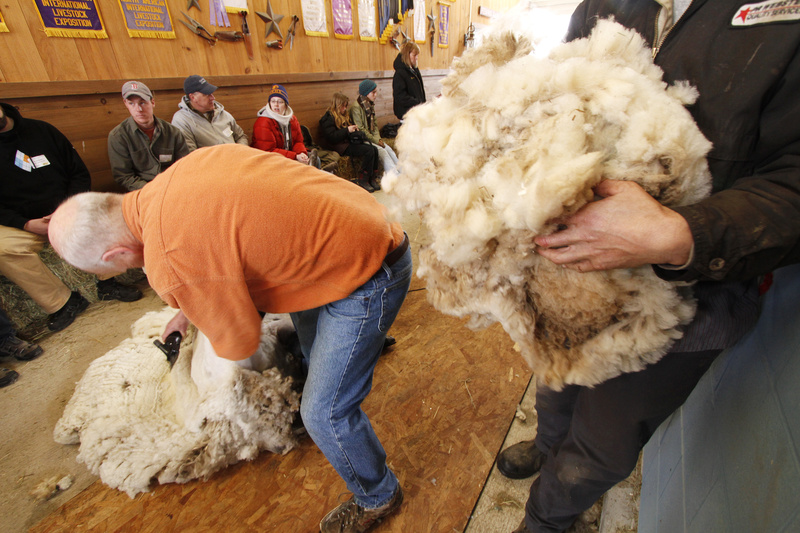
One of the many sources of microplastics is fiber from synthetic clothing.
Source

Posted inSource
What you need to know about microplastics

These pieces of plastic, often no bigger than a sesame seed, come from many sources but are all man-made.
advertisement
Posted inMaine Gardener, Source
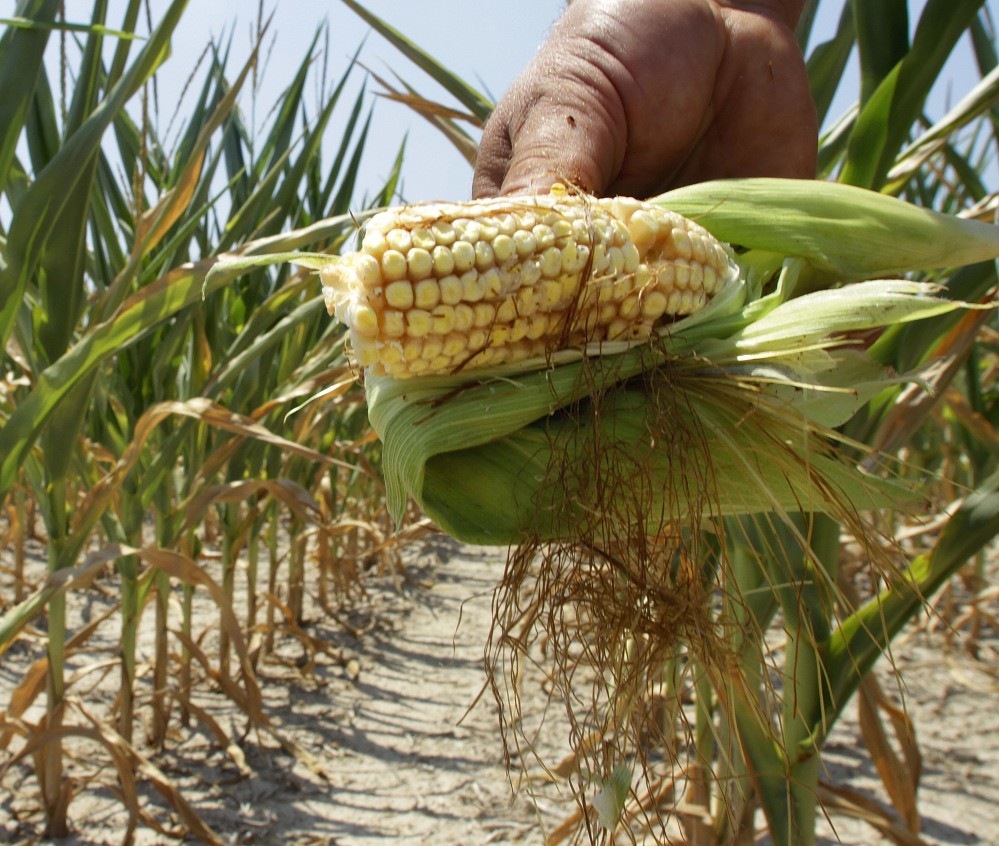
For gardeners and farmers, the time to prepare for climate change is now
The average temperature in Maine has risen 3 degrees Fahrenheit since 1895, more than most of the rest of the country.

Posted inMeet, Source
Maine native Cooper Van Vranken is studying fisheries in Denmark
There might be a lesson about Maine shrimp in data about its cousins in the North Sea.
Posted inHomegrown, Source
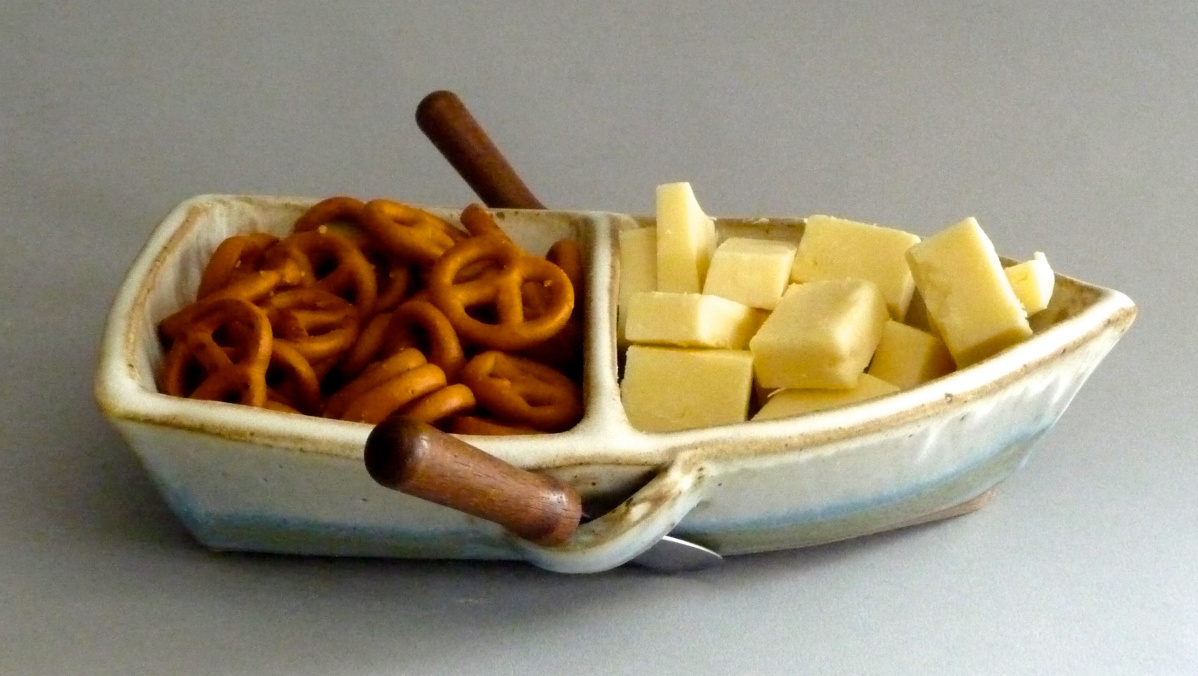
Homegrown: Pay homage to the Patriots in a more subtle – and sustainable – way
The Double Dip Dinghy reflects the New England landscape and holds your hot dip, too.

Posted inGrow, Source
Try asparagus from seed rather than the usual roots
It takes a year longer to grow, but it will save money.

Posted inSource
What’s That? A reusable milk jug with a reusable spout
The 99-cent spout makes sustainable glass milk jugs so much easier to pour.

Posted inGreen plate special, Recipes, Source
Make marmalade the resourceful way – with the peel, pith, pulp and pips
If you’re going to truck in fruit from afar, use every last bit. And then make some glorious scones.
Posted inSource
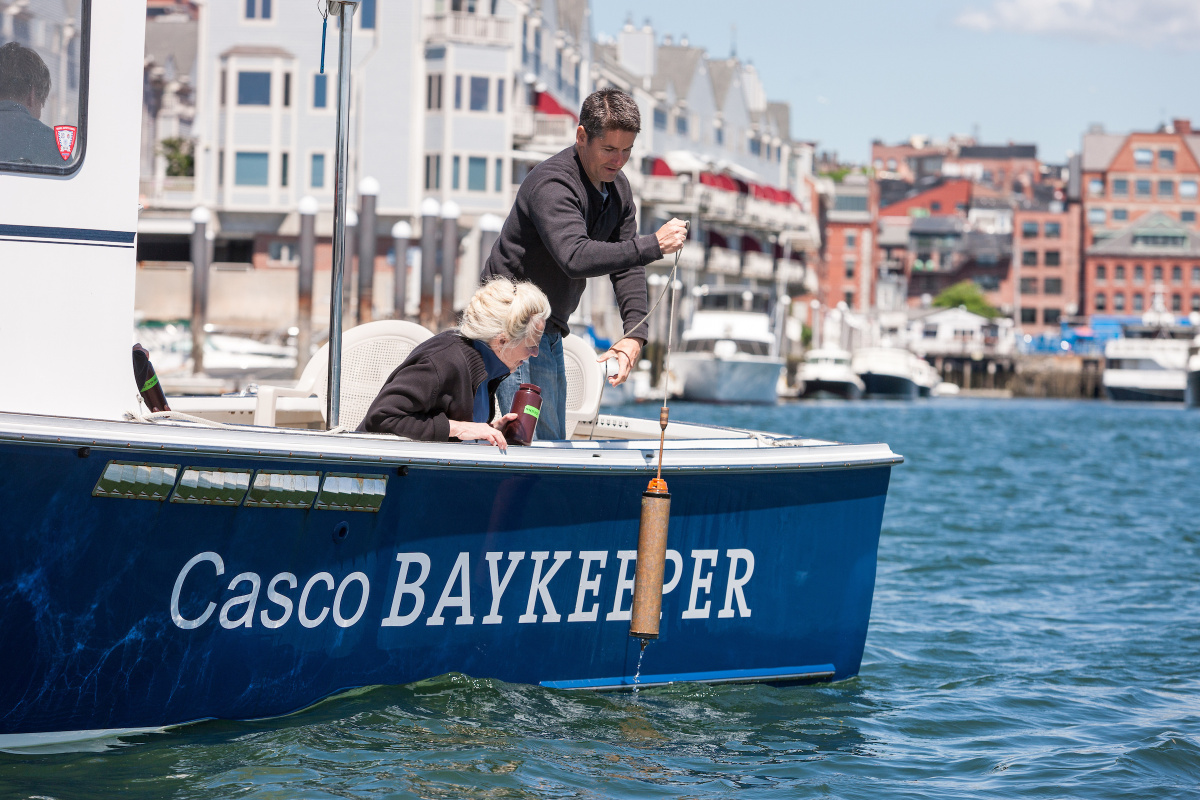
A survey found plenty of tiny pieces of plastic in Casco Bay. What that means still isn’t clear
The Friends of Casco Bay assessment identifies microplastics in four distinct regions. But none of the microbeads banned in Maine in 2015 showed up.

Posted inMeet, Source
Road warrior Bob Moosmann – defender of bees, butterflies, organic farmers
At the Department of Transportation, green roads and byways are his thing.